Installation guide
 Owner’s manual
 Error Codes
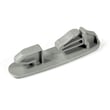


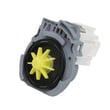
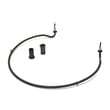
What are the parts of a Maytag dishwasher?
A Maytag dishwasher like model MDB4949SHZ1 is built around a water-fill system, wash (circulation) system, drain system, heating and drying components, and door and rack hardware. Knowing the main parts helps you pinpoint symptoms like not draining, not cleaning, or leaking and choose the right replacement part.
Main dishwasher parts and what they do
- Water inlet valve: opens to let household water into the tub at the start of a cycle.
- Circulation pump and motor: pushes water through the spray arms for cleaning.
- Filtration system: traps food soil so it does not redeposit on dishes.
- Spray arms: spin and spray pressurized water to wash dishes.
- Heating element: heats water and supports drying performance.
- Drain system: removes dirty water at key points in the cycle.
- Door and rack hardware: keeps the door sealed and racks moving smoothly.
Common MDB4949SHZ1 parts customers replace
| Symptom | Part category | Example part for this model |
|---|---|---|
| Won’t drain, water left in tub | Drain system | Dishwasher drain pump WPW10348269 |
| Poor drying or cool water | Heating | Element assembly W10703867 |
| Leaks at the bottom of the door | Door sealing | Dishwasher door seal, lower W10909089 |
| Won’t fill or fills slowly | Water fill | Valve-water WPW10327249 |
| Detergent door won’t open | Dispenser | Dishwasher detergent dispenser W10861000 |
How to identify the right part for your issue
- Match the symptom to the system (fill, wash, heat, drain, or door).
- Check for simple causes first (clogged filter area, blocked spray arm holes, kinked drain hose).
- Use the part diagrams and troubleshooting steps in the MDB4949SHZ1 user manual.
- If you’re installing or re-mounting the unit, follow the MDB4949SHZ1 installation guide for anchoring and connection details.
Why it matters
Dishwasher problems usually trace back to one system. For example, “not cleaning” often points to circulation, spray arms, or filtration, while “standing water” points to the drain pump, drain hose, or an air gap restriction.
Last updated: February 2026
What is the life expectancy of a Maytag dishwasher?
A Maytag dishwasher like model MDB4949SHZ1 typically lasts 10 to 12 years. With consistent cleaning, correct detergent use, and quick repairs (especially for draining, heating, and door-seal issues), many households see service life reach 12 to 15 years.
Typical lifespan and what affects it
Most dishwashers wear out from heat, moisture, and moving parts. These factors have the biggest impact:
- Water quality (hard water speeds up mineral buildup)
- How often you run it (daily use wears pumps and seals faster)
- Filter and sump cleanliness (clogs strain the wash system)
- Proper loading (prevents spray arm blockage and poor cleaning)
- Fixing small leaks early (protects the motor, wiring, and flooring)
Maintenance that extends life
We recommend following the care and storage guidance in the MDB4949SHZ1 owner's manual. Key habits that help:
- Use high-quality, premeasured detergent packs and use rinse aid for daily care
- Clean the interior and check for debris around the sump area regularly
- If the dishwasher will sit unused for months, shut off water and power
- Protect the water supply line from freezing conditions
- If draining slows, check and clean the drain air gap (if your setup has one)
Common “end-of-life” symptoms (and likely parts)
When a dishwasher is nearing the end of its service life, you often see repeat failures in the same systems.
| Symptom | What it usually points to | Example part for MDB4949SHZ1 |
|---|---|---|
| Won’t drain or leaves water | Drain restriction or weak drain pump | Dishwasher drain pump WPW10348269 |
| Poor drying | Heating circuit issue | Element assembly W10703867 |
| Leaks at the bottom of the door | Door sealing surface or gasket wear | Dishwasher door seal, lower W10909089 |
| Door won’t latch reliably | Latch wear or misalignment | Dishwasher door latch WPW10653840 |
Why it matters
Knowing the expected lifespan helps you decide whether to repair or replace. If your MDB4949SHZ1 is under about 10 years old, repairs like a drain pump, latch, or heating element are often the most cost-effective way to restore performance.
Last updated: February 2026
What is the most common problem with a Maytag dishwasher?
The most common Maytag dishwasher problems are poor cleaning, not draining, and leaks. On the Maytag MDB4949SHZ1, these issues are usually caused by loading interference, a dirty wash system, or a drain restriction; less often, a failed pump, valve, or seal is involved (see the MDB4949SHZ1 owner's manual).
Most common symptoms and what to check first
- Not cleaning well: spray arms blocked, filter area dirty, overloaded racks, low water temperature.
- Not draining: clogged air gap (if installed), kinked drain hose, drain pump obstruction.
- Leaking: door not closing fully, lower door seal worn, cabinet seal out of position.
- Won’t start or stops: door not fully latched, Start light blinking and door not closed quickly.
- Detergent issues: dispenser door blocked by dishes, old detergent, no rinse aid.
Quick troubleshooting steps (MDB4949SHZ1)
- Confirm the door closes and latches; the manual notes that tall or protruding items can prevent proper latching.
- If the Start light is blinking, press Start and close the door within a few seconds to resume.
- For draining complaints, clean the drain air gap (when present) and check the drain path for restrictions.
- Run a cleaning cycle and use rinse aid as part of normal care.
Parts that commonly solve these problems
| Symptom | Common part involved | What it does |
|---|---|---|
| Not draining | Dishwasher drain pump WPW10348269 | Pumps water out during drain portions of the cycle |
| Not filling or fills slowly | Valve-water WPW10327249 | Controls incoming water flow |
| Leaks at bottom of door | Dishwasher door seal, lower W10909089 | Seals the lower edge of the door to reduce leaks |
| Won’t start | Dishwasher door latch WPW10653840 | Confirms the door is closed so the unit can run |
Why it matters
Most “common problems” are really flow problems: if water cannot spray correctly (cleaning) or cannot exit correctly (draining), cycles run poorly and can trigger stopping, odors, or leaks. Fixing loading, cleaning, and the drain path prevents many service calls.
Last updated: February 2026