 Installation guide
 Owner’s manual
 Error Codes



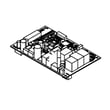

How to do a hard reset on a GE dishwasher?
To hard reset a GE dishwasher like model GDT665SSN0SS, we recommend cutting power to the dishwasher for a few minutes, then restoring power so the control can re-initialize. You can also cancel a running cycle by pressing and holding Start for 3 seconds, then closing the door.
Reset options for GE GDT665SSN0SS
Option A: Power reset (best “hard reset”)
- Turn the dishwasher off at the circuit breaker (or wall switch, if your installation uses one).
- Wait 2 to 5 minutes.
- Turn power back on.
- Wait 5 to 10 seconds before pressing Start (this gives the control time to initialize).
- Select a cycle and press Start, then close the door within 4 seconds.
Option B: Cancel and drain (resets the current cycle)
If the dishwasher is stuck mid-cycle or you just need to clear the current program:
- Press and hold Start for 3 seconds.
- Close the door.
- Let the dishwasher drain and stop.
These steps match the operating sequence in the GDT665SSN0SS owner’s manual.
Quick checks if “reset” does not help
A reset will not fix a physical problem like a door that is not latching or a power interruption. Check these common causes:
- Door not fully closed and latched
- Control lock enabled (controls won’t respond normally)
- Delay Hours set (cycle will not start immediately)
- Breaker tripped or wall switch turned off
- Cycle interrupted by opening the door (press Start and close the door within 4 seconds)
What the buttons do (common GE behavior)
| What you want to do | What to press | What should happen |
|---|---|---|
| Hard reset the control | Cut power 2 to 5 minutes | Control memory clears and reboots |
| Cancel a cycle | Hold Start 3 seconds | Unit drains; cycle light turns off |
| Resume after opening door | Press Start once | Cycle resumes after door closes |
Why it matters
Resetting is a fast way to clear control glitches, recover from a paused cycle, or restart after a brief power issue. If the dishwasher repeatedly needs resets, checking for an underlying issue (like a latch problem or control fault) prevents repeat interruptions.
Last updated: January 2026
What is the average lifespan of a GE dishwasher?
A GE dishwasher like model GDT665SSN0SS typically lasts 10 to 12 years with normal household use. With consistent cleaning, correct detergent use, and prompt repair of leaks or drain issues, it’s common to reach the upper end of that range.
What affects lifespan most
- Water quality (hard water speeds mineral buildup in the sump and filters)
- How often you run it (multiple loads daily increases wear on pumps and seals)
- Filter and spray arm maintenance (clogs reduce cleaning and strain the wash system)
- Proper draining (standing water can lead to odors and premature component wear)
- Door sealing and venting (leaks and moisture issues shorten life)
For model-specific care steps and cleaning intervals, follow the Care and cleaning section in the GDT665SSN0SS owner’s manual.
Quick maintenance routine (keeps performance up)
- Clean the filters about every other month (more often if dishes feel gritty)
- Confirm incoming hot water is at least 120°F before starting a cycle
- Use a dishwasher detergent (not hand dish soap) and keep it dry until use
- Check and clean the sink air gap (if you have one) when draining slows
- Run a dishwasher cleaner periodically to reduce film and mineral deposits
Common “end-of-life” symptoms vs. fixable issues
| Symptom | Often fixable? | Typical next step |
|---|---|---|
| Not draining, water left in tub | Yes | Check drain path; inspect pump |
| Poor cleaning, gritty dishes | Yes | Clean filters; check spray arms |
| Door won’t latch or starts then stops | Yes | Inspect latch/strike alignment |
| Repeated leaks at the door | Sometimes | Inspect gasket and door seal |
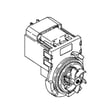
If your GDT665SSN0SS won’t drain and basic checks don’t help, a failed drain pump is a common repair item; see dishwasher drain pump WD19X25461.
Why it matters
Knowing the typical 10 to 12-year lifespan helps you decide whether to maintain and repair (filters, spray arms, drain components) or plan for replacement when multiple major components start failing close together.
Last updated: January 2026
What is the most common problem with GE dishwashers?
For the GE GDT665SSN0SS dishwasher, the most common issues we see are drain problems (water left in the tub), wash performance problems (dishes not getting clean), and “won’t start” complaints. These often trace back to clogged filters, a restricted drain path, or a door latch that isn’t fully engaging; see the GDT665SSN0SS owner’s manual for model-specific troubleshooting steps.
Most common symptoms and what they usually mean
- Won’t drain or drains slowly: clogged filters, blocked air gap/disposer connection, kinked drain hose, or a failing drain pump
- Dishes not clean or gritty: clogged filters, low incoming water temperature, spray arm blockage, or loading that blocks wash arms
- Won’t start but has lights/sounds: door not fully latched, control lock enabled, or power supplied through a wall switch that is off
- Spots/film: hard water, rinse agent empty, or too little detergent
- Leaks: door seal wear, loose hose connections, or overfilling conditions
Quick checks we recommend first (fast, no parts guessing)
- Cancel the cycle and let it drain (press and hold Start for about 3 seconds on many GE models).
- Pull the bottom rack and clean the filter area; a clogged filter is a top cause of poor cleaning and drain complaints.
- Verify hot water is reaching the dishwasher; GE guidance for this platform calls for about 120°F incoming water for best results.
- Check the sink drain connection: clear the air gap (if you have one) and confirm the disposer drain plug was removed.
- Confirm the door closes firmly; if it feels “soft” or pops open, inspect the latch.
When a part is commonly involved
If the basic checks don’t resolve the symptom, these parts are frequent suspects on this GE platform:
| Symptom | Common part to inspect | Why it matters |
|---|---|---|
| Won’t drain | Dishwasher drain pump WD19X25461 | The pump pushes water out through the drain hose; weak or jammed pumps leave water behind. |
| Won’t start | GE dishwasher door latch lock WD21X10490 | The control won’t run a cycle unless it senses the door is latched. |
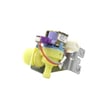
| Won’t fill or fills incorrectly | Dishwasher water inlet valve WD15X26140 | A restricted valve can prevent proper filling and lead to poor wash results. |
Why it matters
Drain, fill, and latch issues can look like “the dishwasher is bad,” but they often come from a simple restriction (filters, hose routing, air gap) or a single component that prevents normal operation. Catching it early helps avoid repeat clogs, odors, and incomplete cleaning.
Last updated: January 2026





