

How do I tell what model my Kenmore dryer is?
Your Kenmore dryer’s model number is printed on the appliance’s ID tag; once you find it, match it exactly (letters and numbers) to look up the correct parts and diagrams. For this page, the model number is 11097581210.
Where to find the model number tag
Most Kenmore dryers have the model/serial tag in one of these spots:
- Inside the door opening on the front panel (open the door and check the frame)
- On the back panel of the dryer cabinet
- Near the lint screen housing (check the area around the lint filter opening)
- Behind the lower access panel (on some designs)
What the model number looks like (and what to write down)
Copy the model number exactly as shown on the tag.
- Include all digits (example: 11097581210, not “110.97581210”)
- Keep any letters if present on your tag
- Record the serial number too; it helps confirm production details when ordering parts
- If the tag is worn, take a clear photo and zoom in
Quick examples
| What you see on the tag | What it means for parts lookup |
|---|---|
| 11097581210 | Exact match for this Kenmore gas dryer model page |
| 110.97581210 | Same model family; use the full number without punctuation |
| 796xxxx | Different Kenmore manufacturer family; use that exact 796 model |
Why it matters
Kenmore model numbers control which parts fit your dryer. Even one digit off can point to a different drum belt length, door switch style, or gas burner setup.
If you already have the model number and need a common part
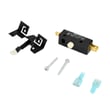
Once you confirm the model, we match parts by model-specific diagrams. Common wear items for Kenmore gas dryers include the drum belt 341241 and the dryer door switch W10820036.
Last updated: February 2026
What are common problems with Kenmore dryers?
Common problems we see on Kenmore gas dryers like model 11097581210 include no heat, long dry times, the drum not turning, and loud squealing or thumping. Most issues trace back to airflow restrictions (lint and venting) or normal wear on drive and burner components.
Most common symptoms and likely causes
- Dryer runs but won’t heat: failed igniter, weak gas valve coils, bad radiant sensor, or a thermostat problem
- Long drying times or overheating: clogged lint screen, blocked vent duct, crushed flex vent, or a failing blower wheel
- Drum won’t turn: broken belt, worn idler pulley, or a failing drive motor
- Loud noise (squeal, rumble, thump): worn drum support parts, idler pulley wear, or belt wear
- Won’t start: door switch not closing, push-to-start switch failure, or motor issue
Quick checks we recommend first (fast, no parts)
- Clean the lint screen and confirm strong airflow at the outside vent hood.
- Inspect the vent path for kinks, long runs, or lint buildup.
- Listen for the burner sequence: igniter glow, then flame; repeated clicking with no flame points to burner-side parts.
- If the drum doesn’t move, stop the dryer and check for a loose or broken belt.
Common parts that fix these problems on model 11097581210
| Symptom | Common fix | Example part to check |
|---|---|---|
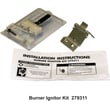
| No heat | Burner ignition or gas valve issue | Igniter 279311, dryer valve coil kit 279834 |
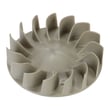
| Long dry times | Airflow or blower problem | Dryer blower wheel WP694089 |
| Drum not turning | Belt or idler failure | Drum belt 341241, dryer idler pulley WP691366 |
| Won’t start | Door or start switch issue | Dryer door switch W10820036, dryer push-to-start switch WP3395382 |
Why it matters
A Kenmore gas dryer that “won’t heat” is often still tumbling, so it’s easy to miss the real cause. Fixing airflow first protects the operating thermostat, burner system, and motor, and it usually restores normal dry times without repeat failures.
Helpful DIY references
- Gas dryer wont heat troubleshooting video
- Gas dryer wont start troubleshooting video
- What are the main parts of a clothes dryer
Last updated: February 2026
What is the average lifespan of 11097581210?
A Kenmore gas dryer like model 11097581210 typically lasts 13 years with normal household use. Regular vent cleaning, not overloading the drum, and replacing wear items early (belt, rollers, idler) helps you reach that lifespan with fewer breakdowns.
What affects lifespan most
- Airflow and venting: a restricted vent overheats the dryer and shortens the life of the motor, thermostat, and gas ignition parts.
- Load size and frequency: frequent heavy loads increase wear on the belt, drum support, and motor.
- Heat cycling: high-heat use accelerates wear on thermostats and sensors.
- Maintenance: lint buildup inside the cabinet is a common cause of overheating and noise.
- Timely part replacement: replacing a worn belt or idler early prevents secondary damage.
Parts that commonly wear first on this model
If your dryer still heats but squeals, thumps, or stops tumbling, these are typical wear points:
- Drum belt 341241
- Dryer idler pulley WP691366
- Drive motor 279827
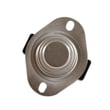
- Dryer operating thermostat WP3387134
- Dryer blower wheel WP694089
Quick “age vs. repair” guide
| If your 11097581210 is… | Typical approach | Why |
|---|---|---|
| Under 8 years | Repair | Parts costs are usually lower than replacement value |
| 8 to 13 years | Repair if the cabinet and drum are solid | Wear parts are common and straightforward |
| Over 13 years | Repair only if the fix is simple | Major failures can stack up (motor, gas heat system) |
Why it matters
Knowing the expected lifespan helps you decide whether to invest in maintenance (cleaning the vent, replacing a belt) or plan for replacement if you are seeing multiple symptoms like long dry times, overheating, and repeated shutdowns.
Last updated: March 2026