Owner’s manual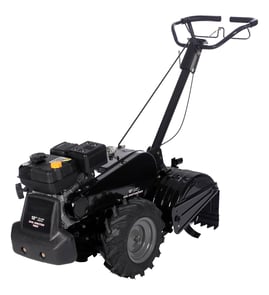

Where is the model number on a Craftsman tiller?
On a Craftsman tiller, the model number is printed on the model and serial label. For Craftsman model 987293190, check the tine shield/guard area first; many units place the label there so it stays visible during service and parts lookup. See the 987293190 owner's manual for the identification and parts sections.
We typically see the model label in one of these spots:
- On the tine shield (tine guard) near the tines
- On or near the engine area (often close to the fuel tank)
- On the front frame or nose of the tiller
- Near the handlebar support or main frame tube
- On the transmission housing area (less common, but possible)
The label usually includes a model number and a serial number. For parts ordering and manual matching, the model number is the key.
| What you see on the label | What it’s used for | Example for this tiller |
|---|---|---|
| Model number | Matching parts diagrams and the correct manual | 987293190 |
| Serial number | Identifying production run details | Varies by unit |
Using the exact model number prevents ordering the wrong parts for wear items like tines, cables, and hardware. Even small design changes between similar Craftsman rear-tine tillers can affect fit, mounting hardware, and adjustments.
Last updated: January 2026
Which rear tine tiller is best?
The “best” rear-tine tiller depends on your soil and how much ground you need to break; for most homeowners, a counter-rotating tine (CRT) design like the Craftsman 987293190 is best when you want deeper digging and better control in hard or weedy soil. Use the 987293190 owner's manual to match features like tine direction, depth control, and safety setup to your yard.
- Soil type: hard clay and weedy ground favor CRT tillers because the tines dig aggressively.
- Garden size: larger plots benefit from rear-tine traction and consistent depth.
- Depth control: look for a clear depth regulator lever with multiple notches.
- Control and safety: choose a model that is stable and easy to stop and disengage quickly.
- Maintenance access: pick a tiller with straightforward fastener checks and service points.
| Feature | CRT (counter-rotating tines) | Forward-rotating rear-tine |
|---|---|---|
| Best for | Hard soil, sod, heavy weeds | Previously worked soil, lighter conditions |
| Digging action | More aggressive “uppercut” style | Smoother, less aggressive |
| Operator control | Typically better bite, can be more demanding | Typically easier in loose soil |
This model is a CRT tiller; as the wheels pull forward, the tines rotate backward to dig deeply and uproot soil and weeds. It also uses a depth regulator lever to control how deep the tines penetrate, including a travel position for moving without tilling.
- Disconnect the spark plug wire before adjustments or repairs.
- Inspect the anti-reverse stake so it swivels freely and is not clogged.
- Use shallower depth settings for cultivating between rows.
- Recheck fasteners after the first 2 hours, then about every 10 hours of operation.
Choosing the right rear-tine tiller prevents wasted effort, reduces wheel spin in soft soil, and helps you get consistent tilling depth without fighting the machine.
Last updated: January 2026
How often should I change the oil in my tiller?
For the Craftsman 987293190 rear-tine tiller, we change the engine oil after the first 2 operating hours, then every 10 operating hours after that (more often in dusty or dirty conditions). We also check the oil before each use and keep it at the overflow point in the fill hole; see the 987293190 owner's manual.
Use this schedule to keep the 3-hp engine protected from wear and overheating:
- Change oil after the first 2 hours (break-in period).
- Change oil every 10 operating hours after break-in.
- Change oil more often if you till in very dusty, dirty, or sandy soil.
- Check oil before starting the engine.
- During use, stop and check oil about every 5 operating hours.
- If you’re tilling on a slope, check oil about every 30 minutes and keep it full to the overflow point.
| Situation | What we recommend |
|---|---|
| New or rebuilt engine | Change oil after 2 hours |
| Normal garden use | Change oil every 10 hours |
| Dusty or dirty conditions | Change oil more often than every 10 hours |
| Operating on slopes | Keep oil at overflow point; check about every 30 minutes |
We follow these steps to get a correct reading:
- Park the tiller on a level area.
- Set the depth regulator so the tines contact the ground.
- Remove the oil fill plug and verify oil is at the overflow point.
- Let the engine cool before servicing; avoid touching hot engine parts.
This model is designed to run with the oil level kept full at the fill opening. Running low on oil can starve internal parts (especially on slopes) and quickly damage the engine.
Last updated: January 2026
What are common tiller problems?
Common problems on the Craftsman 987293190 rear-tine tiller include hard starting (fuel or ignition issues), loss of drive or tine power (clutch/cable adjustment or wear), abnormal vibration (loose hardware or damaged tines), and oil leaks. Use the Craftsman 987293190 owner's manual for model-specific operating and safety checks.
- Won’t start or starts then dies: old fuel, clogged fuel path, dirty air filter, fouled spark plug.
- Tines won’t engage or machine won’t pull: clutch/cable out of adjustment, worn clutch parts, drive pins not engaged.
- Excessive vibration: stop immediately; check for bent tines, loose fasteners, or debris wrapped on the tine shaft.
- Oil spots under the tiller: loose screws/bolts, seepage at seals, or a larger leak that needs repair.
- Poor tilling performance: depth stake set too shallow, soil too hard, engine speed too low.
The manual calls out several must-do steps any time something feels wrong:
- Stop the engine and let all moving parts come to a complete stop.
- Disconnect the spark plug wire and keep it away from the plug.
- If you hit an object, inspect for damage before restarting.
- If vibration occurs, stop immediately and correct the cause before using again.
| Symptom | First checks | Typical fix |
|---|---|---|
| Hard starting | Fuel freshness, spark plug condition, air filter | Replace fuel, service plug, replace air filter |
| No tine/drive engagement | Cable tension, clutch wear, wheel drive pins engaged | Adjust linkage/cable, replace worn clutch parts |
| Oil leak | Check for loose hardware, inspect seals | Tighten fasteners; repair leak before use |
| Tiller “jumps” or pulls | Soil obstacles, depth setting, speed | Clear area, use deeper regulator setting, slow down |
A tiller that vibrates, leaks oil, or freewheels unexpectedly can quickly become hard to control and can damage the transmission, tines, and engine. Catching issues early usually prevents bigger repairs.
Last updated: January 2026