Installation guide
 Owner’s manual


What size is the mvwc6esww1?
The Maytag MVWC6ESWW1 is a 27-inch wide top-load washer. For installation clearances and placement needs (closet spacing, drain standpipe height, and hookups), use the measurements and requirements in the MVWC6ESWW1 installation guide.
What “size” usually means for this washer
When customers ask about size, they typically mean one or more of these:
- Washer width (the MVWC6ESWW1 is 27 inches wide)
- Space needed around the washer (side, rear, and closet ventilation clearances)
- Drain and water hookup placement (standpipe height, hose routing, faucet distance)
- Capacity (tub size in cubic feet, if you are comparing models)
Key installation measurements to plan for
We can confirm the 27-inch cabinet width for the MVWC6ESWW1; other “fit” details depend on your installation type (laundry tub, standpipe, floor drain, closet).
- Plan for a level floor to reduce vibration and “washer walk”
- Keep the top of the standpipe between 39 and 96 inches above the floor (common top-load requirement)
- Avoid pushing the drain hose too far into the standpipe; an air gap helps prevent siphoning
Quick planning table
| What you’re planning for | What to use | Why it helps |
|---|---|---|
| Cabinet width | 27 inches | Confirms the washer fits between cabinets/walls |
| Drain setup | Standpipe/laundry tub requirements | Prevents siphoning, overflow, and slow draining |
| Closet install | Minimum ventilation openings and spacing | Helps prevent heat and moisture buildup |
Why it matters
Getting the size and clearances right helps prevent common problems like excessive vibration during spin, drain backups, and hose kinks. It also makes future service (like replacing a drain pump or lid switch) much easier.
Last updated: January 2026
Is it worth fixing a Maytag washer?
For a Maytag MVWC6ESWW1 washer, it’s worth fixing when the problem is a common, repairable failure (like a lid switch or drain pump), the tub and cabinet are in good shape, and the repair cost is well below the price of a comparable new washer. If you’re facing repeated major failures, replacement usually makes more sense.
Quick decision checklist (MVWC6ESWW1)
- Fix it if this is the first major issue and the washer has been reliable.
- Fix it if the symptom points to a common service part such as a lid switch, drain pump, or agitator drive parts.
- Fix it if there’s no rust-through, severe tub damage, or chronic leaking.
- Replace it if you’ve had multiple expensive repairs in the last 12 to 24 months.
- Replace it if the repair involves multiple major drive components at once (for example, gear case plus other drivetrain parts).
Common “worth it” repairs on this model
These are typical repairs that often restore normal operation without replacing the whole washer:
- No spin or intermittent stopping: inspect the washer lid switch assembly WP8318084
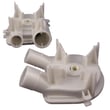
- Won’t drain or leaves clothes wet: check the washer drain pump WP3363394 and drain path
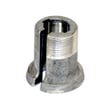
- Agitator not moving properly: inspect the agitator dog 80040 and related agitator parts
What the manual helps you confirm
Use the MVWC6ESWW1 washer user manual to match your symptom to the troubleshooting section and confirm basics first (power, lid closed, water supply on, proper cycle selection). That helps you avoid replacing parts unnecessarily.
Cost-to-replace comparison (simple rule)
| If your repair estimate is… | Usually the better choice is… |
|---|---|
| Under 50% of a comparable new washer | Repair |
| Around 50% or more | Consider replacement |
| Multiple major repairs needed | Replacement |
Why it matters
A targeted repair can extend the life of your MVWC6ESWW1 and keep it running safely and reliably. But once repairs become frequent or involve major drivetrain components, the total cost and downtime can outweigh the value of keeping the washer.
Last updated: January 2026
What is the life expectancy of a Maytag washing machine?
A Maytag washing machine like model MVWC6ESWW1 typically lasts 10 to 13 years with normal household use. Consistent care (proper loading, correct detergent, and routine cleaning) helps you reach the high end of that range and avoid premature wear.
What affects lifespan most
These factors usually make the biggest difference in how long a top-load washer lasts:
- Overloading the basket, which strains the drive system and suspension
- Unbalanced loads during spin, which increases vibration and wear
- Hard water and detergent buildup, which can cause odors and residue
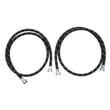
- Inlet hose condition and leak prevention (replace hoses on a schedule)
- Level installation, which reduces washer walk and cabinet stress
For model-specific use, cleaning, and care steps, follow the MVWC6ESWW1 washer use and care manual.
Simple maintenance that extends washer life
We recommend these habits for MVWC6ESWW1 and similar Maytag top-load washers:
- Load items loosely and keep the load evenly distributed
- Use the right amount of detergent (too much can cause excessive suds and residue)
- Run periodic cleaning cycles as described in the manual
- Keep the lid area and top surfaces dry to reduce corrosion and odor
- Inspect fill hoses for bulges, cracks, or leaks and replace on schedule
Quick lifespan expectations by usage
| Usage pattern | Typical outcome | What to watch |
|---|---|---|
| Light use (few loads/week) | Often reaches 13 years | Hoses, buildup, long idle periods |
| Average family use | 10 to 13 years | Overloading, vibration, detergent residue |
| Heavy use (daily loads) | Closer to 10 years | Drive wear, suspension wear, leaks |
Why it matters
Knowing the expected lifespan helps you plan for maintenance and decide when a repair makes sense. If your MVWC6ESWW1 is nearing the 10 to 13 year mark and you notice new noise, leaking, or weak agitation/spin, it often means wear items are starting to add up.
Last updated: January 2026
What is the most common problem with a Maytag washer?
For the Maytag MVWC6ESWW1 washer, the most common complaints are “won’t drain” or “won’t spin” (clothes left wet), followed by excessive vibration or noise during spin. Many of these issues come from load balance, drain restrictions, oversudsing, or the lid not fully closed; see the MVWC6ESWW1 washer manual troubleshooting section.
Most common symptoms and what they usually point to
- Won’t drain or won’t spin: drain restriction, excessive suds, or a failing drain pump
- Stops mid-cycle or won’t start: lid not fully closed, lid switch issue, or timer/cycle switch problem
- Loud banging or walking: unbalanced load, washer not level, worn suspension parts
- Leaking: loose fill hoses, worn hose washers, or a pump or hose leak
- Poor agitation/cleaning: worn agitator components or drive system wear
Quick checks we recommend first (MVWC6ESWW1 basics)
- Confirm the lid is fully closed; this model won’t agitate or spin with the lid open
- Reduce oversudsing; too much detergent can interfere with draining and spinning
- Check the drain hose setup; keep an air gap and don’t seal the standpipe
- Rebalance the load; mix large and small items, don’t overload
- Verify the washer is level and all feet are firmly on the floor
Common parts involved when it’s not a setup issue
If the MVWC6ESWW1 still won’t drain or spin after the checks above, these parts are often involved.
| Symptom | Common suspect | Example compatible part for MVWC6ESWW1 |
|---|---|---|
| Won’t drain / water left in tub | Drain pump or pump blockage | Washer drain pump WP3363394 |
| Won’t spin / stops when lid is opened | Lid switch not closing consistently | Washer lid switch assembly WP8318084 |
| Agitator slips or only moves one way | Worn agitator dogs | Agitator dog 80040 |
Why it matters
Drain and spin problems can leave clothes soaking wet and can also increase vibration, extend cycle time, and contribute to leaks. Fixing the root cause early helps prevent extra wear on the drive system and suspension.
Last updated: January 2026