Owner’s manual
 Error Codes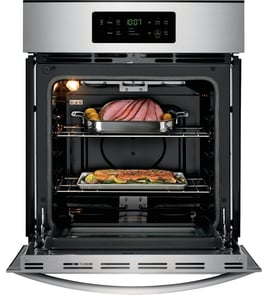




What is the life expectancy of a KitchenAid oven?
A KitchenAid electric wall oven like model KODE500ESS01 typically lasts 15 years. With normal home use and basic care (keeping vents clear, avoiding excessive self-clean cycles, and fixing small issues early), many ovens reach the 10 to 20 year range.
Typical lifespan for this type of oven
Most electric wall ovens fall into a predictable lifespan range based on heat exposure, electronics, and how often the oven runs.
- Typical: 15 years
- Common range: 10 to 20 years
- Shorter lifespan drivers: heavy daily use, frequent self-clean, repeated overheating events
- Longer lifespan drivers: moderate use, good airflow, prompt part replacement
For model-specific use and care guidance (including features like the hidden CleanBake bake element and convection components), follow the KODE500ESS01 owner's manual.
What usually fails first (and what to watch for)
In many KitchenAid wall ovens, the parts that see the most heat and cycling tend to show symptoms first.
- Slow preheat or uneven baking (often tied to the bake heating circuit)
- Broil works but bake does not (bake element or control issue)
- Oven shuts off during use (overheat protection or airflow problem)
- Error codes or unresponsive touch controls (touch control system components)
- Door not closing tightly (hinge wear, heat loss)
If you are troubleshooting weak or no bake heat, the range bake element W11545804 is a common wear item to check for visible damage or an open circuit.
Maintenance that extends life
A few habits make a measurable difference in how long an electric wall oven lasts.
- Keep the oven vent area clear so heat can escape properly
- Use self-clean only when needed; high heat stresses wiring and controls
- Wipe spills early to prevent smoke and overheating during later use
- Avoid slamming the door; it strains hinges and can affect sealing
- Replace worn racks or damaged door parts before they cause heat loss
Quick reference: lifespan vs. usage
| Usage pattern | Expected lifespan | Notes |
|---|---|---|
| Light (1 to 3 uses/week) | 18 to 20 years | Least heat cycling stress |
| Moderate (4 to 7 uses/week) | ~15 years | Typical household use |
| Heavy (multiple daily uses) | 10 to 12 years | Faster wear on elements and controls |
Why it matters
Knowing the expected lifespan helps us decide whether to repair or replace. If your KODE500ESS01 is under about 10 years old, repairs like a heating element, door hinge, or thermostat are often cost-effective; closer to 15+ years, repeated control or wiring repairs can add up.
Last updated: January 2026
How to know if the KitchenAid wall oven thermostat is bad?
A bad thermostat in your KitchenAid wall oven (model KODE500ESS01) typically shows up as overheating, underheating, or big temperature swings even after you verify settings and try calibration. If the oven cannot hold a steady temperature and cooking results are consistently off, the thermostat circuit is a strong suspect.
Common signs the thermostat is failing
- Oven temperature runs consistently too hot or too cool (burning or underbaking food).
- Temperature swings widely during a bake cycle (food cooks unevenly).
- Preheat takes much longer than normal, or the oven never seems to reach set temperature.
- The oven shuts off early, then restarts frequently (short-cycling).
- You see heat-related symptoms such as the oven getting hotter than expected during normal baking.
Quick checks we recommend before replacing parts
- Confirm rack and airflow basics: Crowded pans and poor airflow can mimic temperature problems; allow about 2 inches of clearance around bakeware.
- Verify with an oven thermometer: Compare the set temperature to the average actual temperature over 20 to 30 minutes.
- Review calibration and settings: Use the steps in the KODE500ESS01 owner’s manual to check temperature adjustment, modes, and recommended rack positions.
- Inspect the door seal and door closing: Heat loss from a poor seal can cause long preheat and uneven baking.
Thermostat vs. other likely causes
| Symptom | More likely cause | What to check first |
|---|---|---|
| Overheats by 25°F or more | Thermostat circuit or control issue | Thermometer test, then wiring/controls |
| Underheats and long preheat | Bake element or door seal | Visual element damage, seal gaps |
| Uneven baking | Rack position, airflow, convection fan | Pan spacing, fan operation |
Parts that commonly relate to temperature control
If testing points to an overheat protection or temperature control problem, these model-related parts are commonly involved:
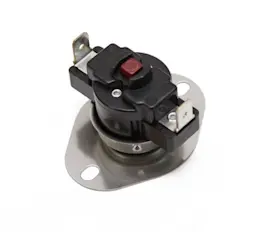
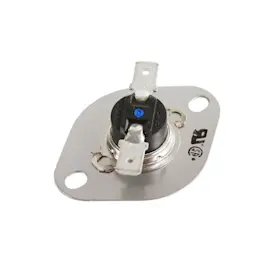
- Range high-limit thermostat WP4449751 (can trip or open if temperatures get excessive)
- Range bake element W11545804 (weak or damaged elements cause slow preheat and low temps)
Why it matters
Accurate temperature control protects the oven from overheating and helps baking results match recipes. Catching a failing thermostat or heat-control component early also helps prevent repeated high-heat cycling that can stress wiring and controls.
Last updated: January 2026
Are KitchenAid wall ovens good?
Yes. KitchenAid wall ovens are a strong choice for most kitchens because they deliver reliable baking and broiling performance with practical controls and features. For the KitchenAid KODE500ESS01, use the cooking modes and rack guidance in the KODE500ESS01 owner's manual to get the most consistent results.
What “good” means for a wall oven
We judge wall ovens on performance, usability, and long-term serviceability.
- Holds temperature steadily during bake and broil
- Browns evenly across the rack when airflow is not blocked
- Preheats predictably for everyday cooking
- Has a solid door seal and smooth door operation
- Has replaceable wear parts (elements, hinges, door glass, controls)
Features that support good results on KODE500ESS01
The KODE500ESS01 includes core cooking components such as oven racks, a door gasket, an oven vent, broil elements, and a convection element and fan (on convection versions).
| Component or feature | What it does | Why it matters |
|---|---|---|
| Convection element and fan | Circulates heated air | Improves multi-rack evenness and can shorten cook times |
| Oven vent | Manages airflow | Helps stabilize temperatures and moisture release |
| Door gasket | Seals the cavity | Reduces heat loss and supports even baking |
| Oven racks | Positions food in the heat zone | Rack height affects browning and doneness |
If results are “not good,” check these first
These steps address the most common complaints (uneven browning, slow preheat, temperature concerns) without replacing major parts.
- Confirm you are using the right mode (bake vs convection) for the recipe
- Move the rack to a higher position if bottoms brown too fast
- Center pans and keep about 2 inches of clearance around bakeware
- Avoid overcrowding; blocked airflow causes uneven cooking
- Verify temperature with an oven thermometer; use the oven’s calibration steps if your model supports it
When a repair is the right next step
If the oven will not heat, heats intermittently, or struggles to maintain temperature after the checks above, a heating or safety component is often involved.
| Symptom | Common direction | Example part for this model |
|---|---|---|
| No bake heat or weak bake heat | Inspect the bake circuit and element | Range bake element W11545804 |
| Overheats, shuts down, or trips protection | Check high-limit protection | Range high-limit thermostat WP4449751 |
Why it matters
Even baking depends on airflow, rack position, and accurate temperature control. Using the correct settings and keeping airflow clear improves cooking results and reduces unnecessary wear on heating and control components.
Last updated: January 2026