Installation guide
 Owner’s manual
 Error Codes


What is the average lifespan of a KitchenAid dishwasher?
A KitchenAid undercounter dishwasher like model KUDS30IXSS9 typically lasts 10 to 12 years. With consistent cleaning, correct detergent use, and proper drying practices (rinse aid), many units reach the upper end of that range.
Typical lifespan (what to expect)
Most KitchenAid dishwashers fall into this general range:
| Usage and care level | Typical lifespan | What usually ends the run |
|---|---|---|
| Light use, good maintenance | 12 to 14 years | Pump/motor wear, leaks |
| Average household use | 10 to 12 years | Drain issues, heater or control problems |
| Heavy use, hard water, poor maintenance | 7 to 10 years | Seal leaks, wash system buildup |
What extends the life of your KUDS30IXSS9
We see these habits make the biggest difference:
- Use rinse aid to improve drying and reduce hard-water deposits.
- Clean the filter area and sump regularly so debris does not strain the drain system.
- Avoid overloading; keep spray arms free to spin.
- Run hot water at the sink before starting a cycle for better wash performance.
- Expect longer cycles on energy-efficient designs; longer run time is normal and helps cleaning.
Parts that commonly affect lifespan
When performance drops, these parts are often involved:
- Leaks at the door: inspect the dishwasher door seal W11177741 and the lower seal area.
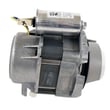
- Not draining: check for clogs first; if the pump is failing, the dishwasher drain pump WPW10348269 is a common fix.
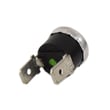
- Poor drying: confirm the heater circuit and consider the dishwasher heater W10703867 if dishes stay cool and wet.
Why it matters
Knowing the typical lifespan helps you decide whether to repair or replace. If your KUDS30IXSS9 is near the 10 to 12-year mark, fixing a leak or drain problem can still be cost-effective, but multiple major repairs at once usually signals end-of-life.
For model-specific operating tips and normal cycle behavior, use the installation guide.
Last updated: February 2026
What is the most common problem with a KitchenAid dishwasher?
The most common KitchenAid dishwasher problem is poor wash results or standing water after a cycle. On the KitchenAid KUDS30IXSS9, this usually traces to a drainage restriction, a wash system issue (pump/sump), or a door that is not fully latched, which can stop the cycle or prevent proper cleaning.
Most common symptoms and what they usually point to
- Dirty dishes or weak spray: clogged spray arms, blocked sump area, or a failing wash pump
- Water left in the bottom: drain hose restriction, drain pump issue, or sink/disposer connection blockage
- Won’t start or stops mid-cycle: door not fully closed and latched, power interruption, or control issue
- Leaks at the door: worn door seal or lower door seal
- Upper rack problems: broken adjusters, wheels, or rail stops
Quick checks we recommend first (fast, no parts)
- Confirm the door closes tightly and latches; the installation guide calls this out as a key “does not operate” check. See the installation guide.
- Verify the water supply is turned on and the dishwasher fills (after about 2 minutes of the shortest cycle, there should be water in the tub).
- Check the drain path: look for kinks in the hose and confirm the sink drain connection is clear.
- Reset power at the breaker for 1 minute, then try a short cycle again.
Common part fixes for these symptoms (KUDS30IXSS9)
| Symptom | Common fix | Example part on this model |
|---|---|---|
| Standing water | Replace drain pump | Dishwasher drain pump WPW10348269 |
| Door leak | Replace door seal(s) | Dishwasher door seal W11177741 and dishwasher door seal, lower WPW10497235 |
| Poor drying | Check heater circuit and element | Dishwasher heater W10703867 |
| Upper rack won’t stay up | Replace adjuster components | Dishrack adjuster kit W10712394 |
Why it matters
Drain and wash performance problems can leave food soil in the tub, cause odors, and make cycles run longer. Door latch and seal issues can also stop the cycle or create leaks that damage cabinets.
Last updated: February 2026
Is KitchenAid higher end than Whirlpool?
Yes. KitchenAid is positioned as a more premium brand than Whirlpool, with a stronger focus on higher-end design, quieter operation, and feature-rich models. For your KitchenAid KUDS30IXSS9 dishwasher, that premium positioning does not change which replacement parts fit; always match parts to the model.
What “higher end” usually means in real-world use
KitchenAid models commonly emphasize upgrades that affect daily performance and feel, such as:
- Quieter wash systems and more sound insulation
- More robust rack hardware and adjustability
- More wash options and cycle features
- Higher-end exterior styling and control layouts
- More stainless-steel interior use on many models
Parts compatibility: brand tier does not matter, model match does
Even though KitchenAid and Whirlpool are related brands, parts are not automatically interchangeable across models. For KUDS30IXSS9, use the parts list for this model and confirm fit by model number.
Common KUDS30IXSS9 repair parts customers replace include:
- Rack adjusters and rack wheels (for sagging or rough-gliding racks)
- Door seals (for leaks at the perimeter)
- Drain pump or drain hose (for poor draining)
- Water inlet valve (for fill problems)
Example: common “premium feature” repairs and the likely part area
| Symptom | Most likely area | Example part on this model page |
|---|---|---|
| Upper rack won’t stay level | Rack adjusters | Dishrack adjuster kit (W10712394) - dishwasher rack component by whirlpool W10712394 |
| Water leaking at door edge | Door gasket | Dishwasher door seal W11177741 |
| Not draining well | Drain system | Dishwasher drain pump WPW10348269 |
Why it matters
Knowing KitchenAid is a higher-end line helps set expectations for features and build, but repairs still come down to the same basics: correct diagnosis, correct part for KUDS30IXSS9, and correct installation steps.
Where to confirm features and specs for your exact model
For model-specific details (cycles, options, and operating features), use the KUDS30IXSS9 installation guide.
Last updated: February 2026
What is the most reliable KitchenAid dishwasher?
KitchenAid reliability is strongest in their mid-to-premium built-in lines; the most reliable choice is the model that’s installed correctly, kept clean, and repaired early when wear parts fail. For your KitchenAid KUDS30IXSS9, follow the installation guide steps for leveling, centering, and door-clearance checks to prevent leaks and premature wear.
What “reliable” means in real use
A reliable KitchenAid undercounter dishwasher consistently washes, drains, and dries without repeat service issues. The biggest drivers are installation alignment, water flow, and keeping the wash system clear.
- Strong circulation and filtration (fewer clogs, better cleaning)
- Effective drying plus a good tub seal (less moisture and odor)
- Door alignment that prevents rubbing and leaks
- Rack hardware that stays on-track (adjusters, wheels, stops)
- Healthy fill and drain performance (valve and pump working smoothly)
How we pick a reliable KitchenAid model (quick checklist)
When comparing KitchenAid dishwashers, prioritize build choices that reduce stress on components:
- Stainless steel tub (better drying and odor resistance)
- Soil sensing or turbidity sensing (avoids over-washing)
- Simple, durable control layout
- Proven rack design with readily available replacement hardware
Reliability priorities at a glance
| Area | What to prioritize | What it prevents |
|---|---|---|
| Installation | Level tub, centered door | Leaks, rubbing, hinge stress |
| Water fill | Steady hot water supply | Poor cleaning, long cycles |
| Drain | Clear hose and air gap/high loop | Standing water, pump strain |
| Sealing | Intact door seals | Drips, moisture escape |
Keeping KUDS30IXSS9 dependable
These steps reduce the most common reliability problems:
- Verify the door doesn’t contact screws, brackets, or the countertop; adjust leveling legs
- Center the tub so the door doesn’t rub the cabinet opening
- Keep the drain path clear to protect the drain pump
- Address door leaks early; replace worn seals
If you’re seeing drips around the door, replacing the dishwasher door seal W11177741 is a common fix.
Why it matters
A dishwasher that’s slightly out of level or off-center can rub the door and compromise sealing; that leads to leaks, poor drying, and repeat repairs. Correct setup and timely replacement of wear parts keeps performance consistent.
Last updated: February 2026