Installation guide
 Owner’s manual
 Error Codes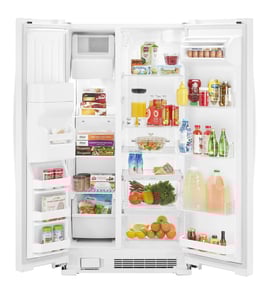


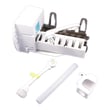
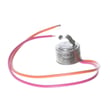
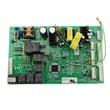
Are GE side by side refrigerators good?
GE side-by-side refrigerators like model PSS26SGRASS are a solid, dependable choice for everyday use; they are designed for consistent cooling and convenient features such as in-door ice and water. It is also normal for newer designs to sound different than older refrigerators, including humming, whooshing, and occasional clicks. See the owner's manual for operating details and normal sound descriptions.
What “good” looks like in real use
A good side-by-side refrigerator should deliver stable temperatures, reasonable noise levels, and easy organization.
- Holds refrigerator temperature near 37°F and freezer near 0°F (typical targets)
- Recovers temperature well after frequent door openings
- Keeps airflow paths clear so shelves and bins cool evenly
- Produces ice and dispenses water without frequent clogs or leaks
- Runs with normal compressor and airflow sounds (not constant loud banging)
Normal sounds vs. problem sounds
The manual notes that modern refrigerators can run longer and sound different due to higher-efficiency compressors and features.
| Sound | Usually normal? | What it often means |
|---|---|---|
| Low hum or pulsing hum | Yes | Compressor running efficiently |
| Whoosh when doors close | Yes | Pressure equalizing in the cabinet |
| Clicks/pops/cracks | Often | Materials expanding/contracting, start/stop events |
| Grinding/squealing | No | Fan blade rubbing ice or a failing motor |
Parts that commonly affect performance
If cooling, ice production, or water dispensing is inconsistent, these model-compatible parts are common suspects.
- GE profile refrigerator temperature sensor WR55X10025 (temperature feedback and control)
- Refrigerator evaporator motor WR60X10307 (moves cold air through compartments)
- Refrigerator defrost thermostat WR50X10068 (helps prevent frost buildup that blocks airflow)
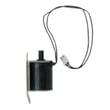
- Refrigerator water valve WR57X33326 (controls water flow to dispenser and ice maker)
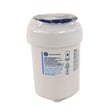
- Refrigerator water filter MWFP (reduces taste/odor and sediment; replace on schedule)
Why it matters
A “good” refrigerator is really about food safety and preservation; stable temperatures and clear airflow reduce spoilage and freezer burn, and a healthy water system helps prevent slow dispensing and weak ice production.
Last updated: February 2026
How big is the GE AutoFill pitcher?
The GE PSS26SGRASS is a side-by-side refrigerator and does not use the Dual-Dispense AutoFill pitcher system; that feature is found on certain GE Profile French-door models. For PSS26SGRASS, water is dispensed through the door dispenser and filtered by the cartridge listed in the PSS26SGRASS owner's manual.
What you can use instead on PSS26SGRASS
If you are trying to fill a pitcher or bottles from the door dispenser, these tips help you get consistent flow and taste:
- Replace the filter on schedule and reset the filter indicator (if equipped)
- After installing a new filter, flush water for about 3 minutes (about 1 1/2 gallons)
- Keep the dispenser area clean and dry to prevent drips and sticking
- If you remove the filter, install the bypass plug so the dispenser and icemaker can operate
- If flow is slow, check for a kinked supply line or a partially closed shutoff valve
Filter details that affect pitcher filling
The filter system performance and flushing steps directly affect how fast and cleanly you can fill a pitcher.
| Item | What to expect on PSS26SGRASS | Why it matters |
|---|---|---|
| New filter behavior | Brief sputtering is normal right after install | Air clears from the filter housing |
| Flush after install | About 3 minutes (about 1 1/2 gallons) | Helps prevent sputtering and improves taste |
| Filter capacity (typical) | 300 gallons (some indicator-light models are higher) | Helps you plan replacement timing |
Parts that commonly relate to dispenser performance
If you are troubleshooting weak flow, no water, or inconsistent dispensing, these model-matched parts are common suspects:
- Refrigerator water filter MWFP (clogged filter reduces flow)
- Refrigerator water valve WR57X33326 (valve not opening fully or failing)
- Refrigerator filter head and tub WR02X45206 (leaks or poor seal at the filter head)
- Refrigerator water reservoir assembly WR17X11440 (restricted reservoir can slow flow)
Why it matters
Pitcher capacity only applies when the refrigerator includes a built-in pitcher system. On the GE PSS26SGRASS, the practical “capacity” is determined by dispenser flow and filter condition, so keeping the filter and water supply in good shape is the key to fast, clean fills.
Last updated: February 2026
What is the most common problem with a GE refrigerator?
The most common GE refrigerator complaint is not cooling well enough (fresh food too warm, freezer too warm, or both). On the GE PSS26SGRASS, many “cooling problems” are caused by simple issues like controls set incorrectly, doors not sealing, or airflow being blocked; the owner's manual troubleshooting section walks you through the quickest checks.
Most common symptoms we see (and what they usually point to)
- Refrigerator or freezer too warm: door left open, frequent openings, controls not set cold enough
- Runs a lot or cycles frequently: normal after first plug-in, hot weather, heavy use, or door openings
- Ice maker issues (no ice, slow ice, small/hollow cubes): door left open, filter restriction, water supply not fully connected
- Buzzing from ice maker: ice maker on with water supply not connected (can damage the valve)
- Water leaks or water taste/odor issues: often tied to filter, water line connections, or bin cleaning
Quick checks to do first (5 minutes)
- Confirm both temperature controls are not set to OFF and adjust one step colder if needed.
- Make sure no package is holding a door open; warm air causes temperature swings and frost.
- Let the unit stabilize: after plugging in, allow about 24 hours to fully cool.
- If the unit seems “dead,” check the outlet and reset the breaker.
- If ice is slow or hollow, replace the refrigerator water filter MWFP and discard the first batches of ice.
Common causes and the best next step
| Symptom | Most likely cause | Best next step |
|---|---|---|
| Fresh food too warm | Control not cold enough, door left open | Adjust controls; check door seal and airflow |
| Freezer orange glow | Defrost heater on | Normal operation |
| Small/hollow ice cubes | Clogged filter | Replace water filter |
| Frequent buzzing near ice maker | Water supply not connected | Turn off ice maker until water is connected |
Why it matters
Cooling and ice-maker complaints often share the same root causes: warm air entering through the door or restricted water flow. Fixing those first prevents food spoilage, reduces long run times, and improves ice quality.
Last updated: February 2026
Why is my GE side by side freezer freezing up?
Freezer freeze-up (heavy frost or ice buildup) in your GE PSS26SGRASS side-by-side refrigerator almost always happens when warm, moist air keeps getting into the freezer, most often from a door that is left slightly open or not sealing tightly. Start by checking door closure, loading, and temperature settings in the owner's manual.
Quick checks that fix most frost problems
- Make sure no food packages are holding the freezer door open.
- Push freezer baskets and shelves all the way back before closing the door.
- Limit long or frequent door openings (humidity quickly turns into frost).
- Confirm the freezer is set to 0°F and allow 24 hours after changes for temperatures to stabilize.
- Look for gaps, tears, or areas where the door gasket is folded over.
- If the gasket sticks on the hinge side, apply a thin coat of paraffin wax to help it release and seal smoothly.
What to check next (airflow and defrost clues)
Frost can also build up when airflow is restricted or the defrost system is not doing its job.
- If the freezer fan area is noisy or airflow seems weak, inspect for ice blocking the evaporator cover vents.
- If you see recurring heavy frost on the back freezer panel, a defrost issue is likely.
Common parts related to freeze-up symptoms
| Symptom you notice | What it often points to | Example part for this model |
|---|---|---|
| Frost returns quickly after manual defrost | Defrost control issue (often thermostat or sensor related) | Refrigerator defrost thermostat WR50X10068 |
| Temps swing or seem inaccurate | Temperature sensing problem | GE profile refrigerator temperature sensor WR55X10025 |
| Poor airflow, warm spots, or fan not running | Evaporator fan problem | Refrigerator evaporator motor WR60X10307 |
Why it matters
Ice buildup reduces airflow across the evaporator coils, which makes the freezer work harder, causes uneven temperatures, and can lead to soft ice cream, clumped ice, and food quality issues.
Last updated: February 2026