
Are Craftsman shop vacs wet and dry?
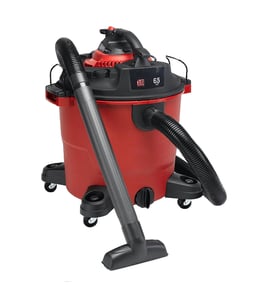
Yes. The Craftsman 113178510 is a 16-gallon wet/dry vacuum, so it is designed to pick up both dry debris (dust, dirt) and liquids when it is set up with the correct filter and collection method for wet pickup.
Using the right setup helps protect the motor and improves suction.
- Dry pickup: use a dry filter (cartridge style) and an empty tank
- Wet pickup: remove paper bags (if used), use the wet-capable filter setup, and keep the float/cage area clear
- Never mix: do not vacuum fine drywall dust with a wet setup
- Stop at the max fill: empty the tank before liquid reaches the float shutoff
- Unplug before changes: always unplug before swapping filters or cleaning the tank
| Task | Typical setup | What to watch for |
|---|---|---|
| Dry debris (sawdust, dirt) | Dry filter installed | Clogged filter reduces airflow |
| Water pickup (spills) | Wet-capable filter setup | Float shutoff can trigger when tank is full |
| Fine dust (concrete, drywall) | Fine-dust rated dry filter | Standard filters can clog quickly |
Wet/dry vacuums like the Craftsman 113178510 rely on airflow through the motor for cooling. Using the wrong filter or letting liquid overfill the tank can reduce airflow and cause poor performance or shutdown.
If you need to confirm the exact model before ordering filters, hoses, or casters, use our guide: how to find your appliance model number (and what it means for parts).
Last updated: January 2026
How do I know what shop vac model I have?
To identify your shop vac model, find the model/serial label on the vacuum and match the model number exactly. For a Craftsman wet/dry vacuum like model 113178510, the label is typically on the power head (motor top) or on the canister body.
Check these common label locations first:
- Underside or rear of the power head (motor housing/top)
- Back or side of the canister/tank
- Near the cord wrap or switch area
- Around the caster base or lower tank area
- Inside the rear accessory caddy area (if equipped)
Record the information exactly as printed so we can match the correct diagrams and replacement parts.
- Model number (example: 113178510)
- Serial number (helps confirm production run)
- Brand name (Craftsman)
- Tank size/type (this model is a 16-gallon wet/dry vacuum)
| Item on label | What it does for you | Example |
|---|---|---|
| Model number | Matches the correct parts breakdown | 113178510 |
| Serial number | Helps narrow revisions | Varies |
| Voltage/amps | Helps verify motor/electrical parts | Varies |
For Craftsman models, the most reliable approach is to match physical features to the correct parts breakdown:
- Tank capacity and material (plastic vs. metal)
- Power head shape and latch style
- Hose diameter and inlet port style
- Filter cage style and float/shutoff design
If you are troubleshooting an electrical issue while identifying the model, use safe testing steps from how to tell if a fuse is blown.
Wet/dry vac parts (filters, hoses, power switches, motor components, and latches) can look similar across Craftsman models, but small design changes can prevent a correct fit. Using the exact model number (like 113178510) avoids ordering the wrong part.
Last updated: January 2026
How do you remove the filter from a Craftsman wet dry vac?
On the Craftsman 113178510 16-gallon wet/dry vacuum, filter removal is typically a quick, tool-free step: unplug the vac, remove the powerhead (motor lid), then pull the filter straight off the filter cage or lift it off the retaining ring, depending on the filter style installed.
- Unplug the wet/dry vacuum before opening it.
- Release the latches and lift off the powerhead.
- Locate the filter on the underside of the powerhead (over the filter cage).
- If your filter uses a retaining ring or knob, remove that piece first.
- Pull the filter straight off; avoid twisting hard so you do not crack the cage.
- Tap loose dust into a trash bag before carrying the filter through the house.
We cannot identify the exact filter mount style for Craftsman model 113178510 from the model-specific information available, but these are the two most common setups used on similar Craftsman wet/dry vacuums:
| Filter setup | What you do to remove it | What to watch for |
|---|---|---|
| Slip-on cartridge filter | Pull filter straight off the cage | Do not crush the pleats |
| Cartridge filter with retaining ring/knob | Remove ring/knob, then pull filter off | Do not lose the ring/knob |
A clogged or incorrectly seated filter can reduce suction, make the motor run hotter, and blow fine dust back into the air. Removing the filter carefully also helps prevent tearing the media or damaging the filter cage.
- For dry pickup: tap the filter gently; use a soft brush if needed.
- For heavy dust: rinse from the clean side outward (if your filter is washable), then air-dry fully.
- Never run the vac with a damp filter unless the filter is specifically rated for that use.
For general DIY safety practices before servicing electrical appliances, see are diy appliance repairs safe.
Last updated: January 2026
What is the list of vacuum cleaner parts?
For the Craftsman 113178510 16-gallon wet/dry vacuum, the parts list typically includes the powerhead (motor and switch), tank and latches, hose and wands, filters and float/shutoff components, and small hardware like seals and clamps. Exact part names vary by configuration and revision.
- Motor and fan (inside the powerhead)
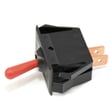
- On/off switch and power cord
- Tank (canister), lid latches, and carry handle
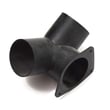
- Hose, extension wands, and floor nozzle
- Filter (cartridge, foam sleeve, or bag depending on setup)
- Float cage/float shutoff (helps prevent liquid from reaching the motor)
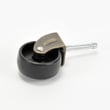
- Gaskets, seals, clamps, casters/wheels (if equipped)
Because wet/dry vacuums can have running changes, we recommend matching by the model number and the specific diagram callout for your unit.
- Confirm the model number is 113178510 on the rating label
- Identify the assembly first (powerhead vs tank vs hose/accessories)
- Compare your old part’s shape, ports, and mounting points
- If replacing an electrical item, match wire terminals and ratings
If you need help locating the model label, use how to find your appliance model number (and what it means for parts).
| Assembly | What it usually includes | Common symptoms when it fails |
|---|---|---|
| Powerhead | Motor, fan, switch, cord | Won’t start, weak suction, burning smell |
| Filtration | Filter, float/shutoff, seals | Dust blow-by, poor suction, motor shuts off |
| Pickup path | Hose, wands, nozzles | Clogs, air leaks, reduced pickup |
| Tank/base | Canister, latches, wheels | Leaks, won’t latch, tips easily |
Using the correct filter and seals for a wet/dry vacuum helps protect the motor, maintain suction, and reduce dust leakage, especially when switching between dry pickup and liquid pickup.
Last updated: January 2026
Where to find model number on Craftsman Wet Dry Vac?
On the Craftsman wet/dry vacuum model 113178510, the model number is typically printed on a rating/serial label attached to the vacuum body, not on the hose or accessories. We usually find it on the upper tank/canister area or near the motor head where it’s easy to read.
Unplug the vacuum first, then look for a sticker or metal plate that includes “Model” and sometimes “Serial.” Check these spots:
- On the upper canister/tank, near the front or side
- On the motor head/power head housing
- Near the handle or cord wrap area
- Around the rear of the tank close to the exhaust or blower port
- On the underside of the power head (lift off the tank to inspect)
The label is often a rectangular sticker with small print. It may include:
- Model number (for example, 113178510)
- Serial number
- Electrical rating (amps/volts)
- Safety marks and manufacturing info
The model number is how we match the correct Craftsman parts (like filters, hoses, latches, casters, and motor components) to your exact 16-gallon wet/dry vacuum. Similar-looking vacuums can use different seals or filter styles, so the model label prevents ordering the wrong part.
| What you see | What to do next |
|---|---|
| No label on the tank | Check the motor head and underside of the power head |
| Label is worn off | Look for an imprint outline; take photos of the vacuum and key measurements |
| Multiple numbers | Use the one labeled Model (not patent numbers) |
For more help identifying the right label format, use our guide: how to find your appliance model number (and what it means for parts).
Last updated: January 2026