Installation guide
 Owner’s manual


Is the WDT720PADM1 a good dishwasher?
Yes. The Whirlpool WDT720PADM1 is a solid, dependable dishwasher for most homes because it is designed to balance cleaning performance with lower water and energy use; that efficiency can also mean longer cycle times and better results when you use rinse aid.
We judge a dishwasher like the WDT720PADM1 by how consistently it cleans, dries, and runs without issues when it is loaded correctly and maintained.
- Cleans best when items do not block the spray arms and wash jets
- Uses an optical water sensor to adjust water and energy for the load
- Dries better with rinse aid (this matters on energy-efficient designs)
- Has features like the TargetClean wash area for heavily soiled cookware
- Performs more consistently when the filtration system is kept clean
Use these steps to make sure the WDT720PADM1 performs like it should:
- Use rinse aid and keep the dispenser filled
- Use detergent packs or tablets for more consistent results
- Load large pans in the back lower rack when using TargetClean
- Avoid nesting and overlapping dishes that block spray
- Run a monthly cleaner cycle to reduce filming and hard-water buildup
Energy-efficient dishwashers often behave differently than older models.
| What you notice | What it usually means | What to do |
|---|---|---|
| Cycles seem long | Sensor-based efficiency; calibration can extend early cycles | Let the cycle finish; use the right cycle/option |
| Dishes not fully dry | Low-water designs rely on rinse aid for sheeting | Use rinse aid; choose a stronger dry option |
| Pauses during wash | Normal brief pauses during main wash | No action needed |
Most “bad dishwasher” complaints come from loading, detergent choice, or maintenance, not the dishwasher itself. Following the usage and care steps in the WDT720PADM1 owner's manual helps you get the cleaning and drying performance this Whirlpool model was built to deliver.
Last updated: February 2026
How to reset Whirlpool dishwasher WDT720PADM1?
To reset your Whirlpool dishwasher model WDT720PADM1, we recommend doing a simple power reset: turn off power at the breaker (or unplug it), wait 2 to 5 minutes, then restore power and start a new cycle. Check the WDT720PADM1 owner's manual for model-specific control and lock steps.
- Press Cancel/Drain (if the control panel responds) and let it finish.
- Turn OFF the dishwasher power at the circuit breaker (or unplug under the sink if accessible).
- Wait 2 to 5 minutes.
- Restore power.
- Close the door firmly, then press Start/Resume to begin a cycle.
These checks come straight from common Whirlpool dishwasher troubleshooting for this model family.
- Make sure the door is closed tightly and latched.
- Confirm the Control Lock is not on; if it is, press and hold the lock button (often SANI RINSE/CONTROL LOCK or DELAY) for 3 seconds.
- Verify the correct cycle is selected, then press Start/Resume again if the door was opened.
- Check house power: a breaker may have tripped.
- If the motor overloaded, it can reset itself within a few minutes.
| Reset method | What it fixes | What it usually will not fix |
|---|---|---|
| Power reset (breaker/unplug) | Frozen controls, minor glitches, stuck cycle | Drain clogs, failed pump, failed latch |
| Control Lock off (3-second hold) | Buttons disabled, “won’t respond” symptoms | Power loss, water fill or drain problems |
A reset clears temporary control issues and helps you quickly separate a simple control lock or power glitch from a real problem like a door latch failure or a drain issue. If the dishwasher won’t drain after resetting, our dishwasher not draining video is a strong next step.
Last updated: February 2026
What is the average lifespan of a Whirlpool dishwasher?
A Whirlpool dishwasher typically lasts 10 to 12 years. For your Whirlpool WDT720PADM1, lifespan depends most on water quality, how often you run cycles, and routine care like cleaning filters and keeping spray arms clear; consistent maintenance helps you reach the high end of that range.
- Hard water and scale buildup (can stress the heater, pump, and valves)
- Heavy daily use (more wear on the circulation system and door latch)
- Clogging and poor draining (food debris in the sump and filter area)
- Overloading or blocking spray paths (reduces cleaning, increases rewash cycles)
- Small leaks (can damage components over time)
Use these habits as your baseline, then follow the exact care steps in the WDT720PADM1 owner's manual.
- Clean the filter area regularly and remove debris from the sump
- Check that the spray arms spin freely and holes are not plugged
- Run hot water at the sink before starting a cycle (improves wash performance)
- Use the correct detergent amount; avoid over-sudsing
- Inspect the drain path for kinks or restrictions
| What you notice | Often involved | Typical next step |
|---|---|---|
| Dishes not drying well | Heater circuit, rinse aid use | Verify settings and loading; check heater function |
| Water left in tub | Drain path, drain pump, hose | Clear blockage; test drain components |
| Poor cleaning | Spray arm, filter area, circulation | Clean spray system; confirm water fill and wash action |
If you’re troubleshooting a drain issue on this model, the dishwasher drain pump WPW10348269 is a common replacement part when the pump is noisy, seized, or not moving water.
A dishwasher that is maintained runs fewer repeat cycles, heats water more efficiently, and avoids chronic clogs. That reduces strain on key components like the circulation system, heating element, and door latch, which directly impacts how close you get to the 10 to 12 year average.
Last updated: February 2026
What are common problems with WDT720PADM1?
Common problems we see with the Whirlpool WDT720PADM1 dishwasher are leaking, poor cleaning performance, and draining issues. Many of these symptoms trace back to loading, filters, drain path restrictions, or a failing pump, valve, or heating circuit; use the WDT720PADM1 owner's manual troubleshooting section to narrow it down.
- Leaking: check door closure, tub-to-door seal area, and oversudsing from wrong detergent
- Not cleaning well: check spray arm holes, filter condition, and loading that blocks spray
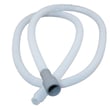
- Will not drain: check the filter area, drain hose routing, and any drain air gap (if installed)
- Stops or pauses mid-cycle: some cycles pause briefly during the main wash (normal operation)
- Dishes chipping: loading instability can cause items to strike each other during wash action
| Symptom | Most likely causes | Parts that commonly relate |
|---|---|---|
| Leaking | door not fully latched, detergent oversudsing, hose connection seepage | drain hose, door latch |
| Not cleaning | clogged filter, blocked spray arm, low water fill | spray arm, water inlet valve |
| Not draining | clogged filter/sump area, kinked hose, pump issue, dirty air gap | drain pump, drain hose |
If basic checks do not solve the issue, these model-matched parts are common repair paths:
- Dishwasher drain pump WPW10348269 for no-drain or weak draining
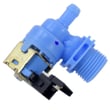
- Dishwasher water inlet valve W11175771 for poor fill and weak wash action
- Dishwasher spray arm WPW10491331 for poor cleaning from blocked or damaged spray jets
- Element assembly W10518394 for poor drying or water not heating properly
Catching the root cause early prevents repeat wash failures, reduces water damage risk from leaks, and helps avoid replacing higher-cost assemblies like the sump and motor when a hose, filter issue, or spray arm restriction is the real problem.
Last updated: February 2026