 Installation guide
 Owner’s manual




What is the most common problem with a washing machine top loader?
The most common top-load washer problem is excessive vibration or banging during spin from an out-of-balance load or an unlevel installation. On the Frigidaire FFTW4120SW1, basic issues like the lid not fully closing, overloading, or a kinked drain hose also commonly cause “won’t spin” or “too wet after spin” complaints (see the FFTW4120SW1 owner’s manual).
Quick checks we recommend first
- Redistribute the load; mix large and small items so the tub can balance.
- Reduce load size; overloading often leaves clothes too wet after spin.
- Confirm the lid is fully closed; this model will not operate with the lid open.
- Inspect the drain hose for kinks or crushing; straighten it if needed.
- Make sure the washer sits on a solid floor (not carpet) and is level front-to-back and side-to-side.
Common symptoms and the most likely causes
| Symptom | Most common cause | What to do next |
|---|---|---|
| Banging, walking, heavy vibration in spin | Out-of-balance load or washer not level | Rebalance load; level the legs; verify solid flooring |
| Won’t spin | Lid not fully closed | Close lid firmly; restart cycle |
| Clothes too wet after spin | Overload or out-of-balance load | Reduce load; redistribute items |
| Won’t drain or drains slowly | Kinked hose or drain restriction | Straighten hose; check standpipe and hose routing |
When it points to a worn part
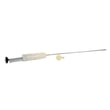
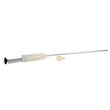
If the washer is level and loads are balanced but it still shakes hard, the suspension can be worn. For this model, the suspension components include the washer suspension rod and spring assembly, rear 5304511328 and washer suspension rod and spring assembly, front 5304511329. A no-drain or intermittent drain issue can also indicate a failing pump such as the washer drain pump 5304511363.
Why it matters
Ignoring vibration and drain issues can lead to repeated out-of-balance stops, poor spin performance (wet clothes), and extra wear on the tub support and drive system. Correcting loading, leveling, and hose routing usually restores normal operation quickly.
Last updated: February 2026
Is there a filter in my Frigidaire washing machine?
Yes; your Frigidaire FFTW4120SW1 washer uses a drain system that can trap debris (coins, lint, small items) in the pump area rather than a simple, user-accessible “lint filter.” We use the cleaning and access steps in the FFTW4120SW1 owner’s manual to locate the correct service points and keep draining performance normal.
Where “the filter” is on this washer
On many Frigidaire washers, what people call a filter is the drain pump inlet area (sometimes a trap or hose section leading to the pump). If the washer won’t drain, drains slowly, or leaves loads too wet, checking for a clog in the drain path is the right next step.
Common places debris collects:
- The tub-to-pump hose (small items can lodge here)
- The drain pump inlet
- The drain hose (kinks or blockage)
- The standpipe or household drain
Quick checks before opening the washer
Start with the simplest causes first:
- Make sure the lid closes fully (the washer will not operate with the lid open)
- Straighten any kinks in the drain hose
- Confirm the drain hose is not shoved too far down the standpipe
- Run a Rinse & Spin cycle and listen for the pump running
- If water remains, plan to check the pump area for a blockage
Parts that are commonly involved
If you find the pump is jammed, noisy, or not moving water after clearing debris, these model-matched parts are the typical suspects:
| Symptom | Most likely area | Model-matched part to consider |
|---|---|---|
| Hums but won’t drain | Pump jammed or failed | Washer drain pump 5304511363 |
| Intermittent draining | Loose or leaking drain path | Washer drain hose (inspect for kinks/leaks) |
| Slow drain, occasional clogs | Debris in drain path | Tub-to-pump hose area (inspect for trapped items) |
Why it matters
A partially blocked drain path can leave clothes soaking wet, trigger longer cycle times, and strain the drain pump. Clearing debris early helps prevent repeat clogs and reduces the chance of pump damage.
Last updated: February 2026
Why is my Frigidaire washer drum not spinning?
If your Frigidaire FFTW4120SW1 washer drum is not spinning, the most common causes are an open lid (the washer will not spin with the lid open), an out-of-balance or overloaded load, or a drain problem that prevents the unit from reaching spin. Use the FFTW4120SW1 owner's manual to match symptoms to the service checklist.
Quick checks we recommend first
- Confirm the lid is fully closed; the washer will not operate or spin with the lid open.
- Pause the cycle, redistribute items, and restart; heavy or uneven loads can stop spin.
- Reduce the load size; overloading can leave clothes too wet and limit spin performance.
- Inspect the drain hose for kinks and straighten it.
- If the washer stopped mid-cycle, let the motor cool; this model uses an overload protector that stops the motor if it overheats.
What to do based on what you see
| What you notice | Likely cause | What to do next |
|---|---|---|
| Washer will not spin at all | Lid not fully closed or lid-related fault | Close the lid firmly; if an error indicates lid open, follow the manual steps. |
| Tub tries to spin but stops, bangs, or walks | Load out of balance or washer not level | Redistribute load; level the washer and verify it sits firmly on a solid floor. |
| Clothes are very wet after “spin” | Overload, imbalance, or drain restriction | Reduce load, rebalance, and check for a kinked/clogged drain hose. |
| Draining takes too long, then no spin | Drain issue | Check hose routing and standpipe setup; clear restrictions. |
When a part is the likely fix
If the washer drains but still will not spin (or you hear squealing/burning rubber), a worn or broken belt is a common mechanical cause on belt-driven designs. For FFTW4120SW1, the matching replacement is the washer ribbed drive belt 5304516132.
Other part-related clues:
- Persistent excessive vibration even with balanced loads can point to suspension wear (front or rear rod/spring assemblies).
- A “takes too long to drain” situation can point to a drain restriction or a failing pump.
Why it matters
A washer that cannot drain correctly or senses an unsafe condition (lid open, overload, out-of-balance, overheated motor) will often prevent spin to protect the drive system, reduce vibration, and avoid water left in the tub.
Last updated: February 2026
What model is my Frigidaire washer?
Your Frigidaire washer’s model number is printed on the serial plate. On the Frigidaire FFTW4120SW1 top-load washer, you’ll find that serial plate under the washer lid, typically along the tub opening; write it down exactly as shown.
Where to look (top-load vs. front-load)
Use this quick check to find the model tag fast:
- Top-load washer (like FFTW4120SW1): open the lid and look under the lid around the tub opening for the serial plate.
- Front-load washer: check along the door opening/trim area.
- If the tag is hard to read: wipe it gently with a damp cloth, then dry it.
- Record both numbers: model number and serial number are often on the same plate.
| Washer type | Most common model tag location | What you’ll see |
|---|---|---|
| Top-load | Under the lid at the tub opening | Model and serial plate |
| Front-load | Door opening/door trim | Model and serial label |
What to write down (and why)
We recommend recording these items exactly as printed:
- Model number (example: FFTW4120SW1)
- Serial number
- Purchase date (if available)
Why it matters
The model number is how we match the correct Frigidaire washer parts and troubleshooting info to your exact machine. Even small model-number differences can change parts like the drain pump, drive belt, or user interface.
For the official “Product Record” section and additional identification details, use the FFTW4120SW1 owner’s manual.
Last updated: February 2026
How long should a Frigidaire washer last?
A Frigidaire washer typically lasts 10 to 15 years with normal household use. For your Frigidaire FFTW4120SW1, reaching the longer end of that range usually comes down to correct loading, good installation (leveling), and routine cleaning and care from the start.
Typical lifespan at a glance
| Washer type | Typical lifespan | What most often shortens life |
|---|---|---|
| Top-load washer (like FFTW4120SW1) | 10 to 15 years | Overloading, chronic out-of-balance spinning, poor drainage |
| Front-load washer | 10 to 15 years | Odor and moisture issues, over-sudsing, poor maintenance |
What helps your FFTW4120SW1 last longer
We see the best longevity when these basics are followed consistently:
- Keep loads balanced; stop and redistribute if the tub is out of balance during spin.
- Make sure the washer sits firmly on the floor and the leveling legs are adjusted correctly.
- Avoid chronic overloading; it strains the drive system and suspension.
- Prevent drain problems by keeping the drain hose straight and the standpipe height correct.
- Dry the top, lid opening area, and underside of the lid before closing to reduce odors and moisture issues.
- Use proper care steps and cleaning routines from the FFTW4120SW1 owner’s manual.
Parts that commonly wear when a washer ages
If the washer starts shaking, walking, or banging during spin, worn suspension components are a common cause. On this model, these parts are frequently involved:
- Washer suspension rod and spring assembly, rear 5304511328
- Washer suspension rod and spring assembly, front 5304511329
- Drain components (pump and hose) if the washer takes too long to drain
Why it matters
A washer that is consistently out of balance or slow to drain tends to experience higher vibration and longer run times. That extra stress can shorten the life of major components like the drive system, suspension, and drain pump.
Last updated: February 2026
Is Frigidaire a good brand for washers?
Frigidaire is a good washer brand for many households because it typically delivers solid everyday cleaning performance at a value price. For your Frigidaire FFTW4120SW1 washer, long-term satisfaction usually comes down to correct installation, proper loading, and routine care outlined in the FFTW4120SW1 owner's manual.
What “good” usually means for a washer brand
We judge washer brands on a few practical factors that affect real-world ownership:
- Cleaning performance on normal and heavy soil loads
- Reliability over time (fewer drain, spin, and fill problems)
- Ease of use (cycle selection, options, clear controls)
- Parts support (availability of common wear items)
- Operating cost (water and energy use, detergent needs)
Typical lifespan and what to expect
A typical washer lifespan is 8 to 10 years with normal use and basic maintenance.
| What you do | What it helps prevent | What you may notice if ignored |
|---|---|---|
| Level the washer and keep loads balanced | Excess vibration and out-of-balance spinning | Walking, banging, noisy spin |
| Use the right detergent amount | Residue and odor buildup | Musty smell, dingy clothes |
| Check hoses and connections periodically | Leaks and fill issues | Slow fill, dripping, water on floor |
| Follow safety and service guidance | Electrical and control problems | Intermittent operation, error codes |
Why it matters
Even a well-reviewed washer can seem “bad” if it is not installed correctly or if loads are consistently oversized. The manual also emphasizes safe operation and proper servicing practices, which helps protect the washer’s controls and wiring during any repair. For model-specific operation and care details, use the FFTW4120SW1 owner's manual.
When a “good brand” still needs a repair
If your FFTW4120SW1 starts shaking heavily, not draining, or leaving clothes too wet, the issue is often a serviceable component rather than the whole washer. Common examples include:
- Drain problems: consider the washer drain pump 5304511363
- Excessive vibration: suspension components may be involved
- No/weak spin: drive system components may be involved
For troubleshooting steps and code meanings, use Frigidaire digital display front load washer error codes.
Last updated: February 2026
How big is a 4.1 cubic feet washer?
A 4.1 cubic feet washer describes the wash basket (tub) capacity, not the cabinet size. For the Frigidaire FFTW4120SW1 washer, the installation guide shows the cabinet footprint at 27.0 in. wide x 29.0 in. deep, with overall height shown on the dimension diagram; use the FFTW4120SW1 installation guide for the exact height and clearance drawing.
FFTW4120SW1 cabinet size and required space
The installation guide provides these key planning measurements:
- Width: 27.0 in. (68.5 cm)
- Depth: 29.0 in. (73.6 cm)
- Drain hose length: approximately 59 in. (150 cm)
- Power cord length: approximately 70.5 in. (180 cm)
Minimum installation clearances (from the guide)
Use these clearances so hoses and the drain line do not kink and the washer can be leveled correctly:
- Sides: 1 in. (2.5 cm)
- Rear: 6 in. (15.2 cm)
- Top: 24 in. (61 cm)
- Front (closet install): 2 in. (5.1 cm)
| What you are measuring | What it tells you | Where to confirm |
|---|---|---|
| 4.1 cu. ft. capacity | How much laundry fits in the basket | Product specs in the FFTW4120SW1 owner’s manual |
| Width and depth | Whether it fits between walls/cabinets | FFTW4120SW1 installation guide |
| Clearances | Space needed for safe installation and service | FFTW4120SW1 installation guide |
What “4.1 cu. ft.” means for real loads
A 4.1 cu. ft. top-load washer handles medium-to-large everyday loads.
- Mixed clothing loads for a family
- Multiple bath towels or a small blanket
- Better cleaning when the tub is not packed tight
- More consistent spinning when loads are balanced
Why it matters
Capacity helps you choose load size and cycles; cabinet dimensions and clearances determine whether the washer installs safely, drains properly, and avoids vibration from poor leveling.
Last updated: February 2026


