Owner’s manual
 Error Codes


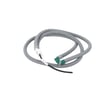

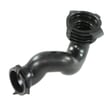
How do I run diagnostics on my Kenmore Elite washer?
To run diagnostics on your Kenmore Elite washer model 79641029900, use the service test procedure in the 79641029900 owner's manual. This washer also has automatic error monitoring, so checking the displayed error code is often the fastest way to pinpoint what the control is detecting.
What to do first (quick checks)
- Unplug the washer for 60 seconds, then restore power and try again (this can clear a control glitch).
- Make sure the door is fully closed; the washer will not run unless the door locks.
- If the display shows an error code, write it down before clearing it.
- If the washer will not drain or you hear gurgling/humming at the end of a cycle, check the drain filter for debris.
- If the washer is thumping or stopping during spin, pause and redistribute the load.
Using error codes as “built-in diagnostics”
Your washer monitors operation and will display codes when it detects a problem. Use the manual’s troubleshooting section to match the code to the likely cause and next step.
| What you see | What it usually points to | What we do next |
|---|---|---|
| Door will not lock / cycle will not start | Door not closed or lock not engaging | Confirm door closes firmly; inspect latch area; test the lg washer door lock assembly EBF49827801 if the symptom persists |
| Control-type error (after a cycle or at power-up) | Temporary control fault | Power reset (unplug 60 seconds); retry cycle |
| Out-of-balance behavior during spin | Load distribution issue | Add 1 to 2 similar items; redistribute load |
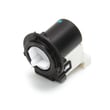
| Drain-related symptoms (slow drain, humming/gurgling) | Restriction at drain path or filter | Clean filter; inspect hoses; consider the motor assembly 4681EA2001T if the pump is not moving water |
Why it matters
Running the correct diagnostic steps prevents unnecessary part replacement and helps you focus on the most common failure points first (door lock, drain system, water valves, and load balance).
Last updated: February 2026
How to clean a Kenmore Elite washer?
To clean your Kenmore Elite washer model 79641029900, we recommend wiping the door area regularly and running the built-in Clean Washer cycle about once a month to remove detergent residue and odor-causing buildup. Use mild cleaners only and keep the door seal dry between loads.
Monthly deep clean (Clean Washer cycle)
Use the steps in the 79641029900 owner's manual and follow this routine:
- Unplug the washer before cleaning the cabinet or door area.
- Remove all laundry from the drum.
- Open the dispenser drawer.
- Add liquid chlorine bleach or a washer tub cleaner (some powder or tablet cleaners also work).
- Start the Clean Washer cycle; run it monthly (more often if you notice odor).
Quick checklist: what to use vs. avoid
| Item | Recommended | Avoid |
|---|---|---|
| Exterior cleaner | Warm water + mild, non-abrasive detergent | Harsh chemicals, abrasive cleaners, solvents |
| Wiping cloth | Soft damp cloth | Steel wool, abrasive pads |
| Deep-clean product | Chlorine bleach or tub cleaner | Anything not intended for washers |
Clean the door seal and glass (prevents leaks and odor)
This model’s front door area needs routine wiping to keep a watertight seal and prevent mildew.
- Wipe the door glass and door opening after wash day.
- Wipe around the door seat and under the inner rubber seal to remove moisture and soil.
- Remove wet items promptly when the cycle ends.
- Leave the door slightly open between loads to help the drum dry.
If the washer smells musty
Odor is usually caused by excess detergent, not using HE detergent, or skipping the Clean Washer cycle.
- Use only HE (high-efficiency) detergent and measure carefully.
- Run the Clean Washer cycle regularly.
- Wipe the lower portion of the door seal where water can sit.
Why it matters
Regular cleaning helps prevent detergent buildup, keeps the door boot sealing properly, reduces musty odors, and supports reliable draining and spinning performance over time.
Last updated: February 2026
How to force a Kenmore Elite washer to drain?
To force-drain a Kenmore Elite washer model 79641029900, use the built-in Drain & Spin function or manually drain through the drain pump filter access. This safely lowers the water level so the door can unlock and the cycle can be restarted without damaging the door latch.
Fastest way: use Drain & Spin (no tools)
- Press POWER to turn the washer on.
- Press SPIN SPEED to choose a setting.
- For drain only, select NO SPIN.
- Press START/PAUSE; the washer drains, then tumbles and may spin depending on your selection.
For the exact button sequence and options, follow the 79641029900 owner's manual.
If the washer will not drain: manually empty the pump area
Use this when the tub is full and the washer is stuck (common with a clogged filter or blocked hose).
- Unplug the washer.
- Let water cool if it is hot.
- Open the lower front drain pump filter access panel.
- Pull out the small drain hose, aim it into a shallow pan, and remove the plug to drain water.
- After draining, twist the pump filter counterclockwise, remove it, and clear lint, coins, or debris.
If the filter is damaged or missing, replace the washer drain pump filter 383EER2001A.
What to check if it still will not drain
These are the most common causes on front-load Kenmore Elite washers:
- Drain hose kinked behind the washer or pushed too far into the standpipe
- Clogged drain pump filter (buttons, coins, lint)
- Blocked tub-to-pump hose (small socks or debris) such as the washer tub-to-pump hose 4738ER1002A
- Failed drain pump motor such as the motor assembly 4681EA2001T
- Door remains locked because water level is still high (drain first, then pause)
Quick symptom guide
| What you see | Most likely cause | Best next step |
|---|---|---|
| Humming but no draining | Pump jam or clogged filter | Manually drain and clean filter |
| Drains slowly | Partial clog in filter or hose | Check filter, then hose routing |
| No sound from pump | Pump motor or wiring issue | Inspect connections; consider pump replacement |
| Door will not unlock | Water level too high or water too hot | Drain & Spin; allow cooling if hot |
Why it matters
Forcing the door open can break the door lock and hinge alignment. Draining the water first protects the door lock assembly, prevents leaks, and helps you pinpoint whether the issue is a clog (maintenance) or a failed drain component (repair).
Last updated: February 2026
Is Kenmore Elite high end?
Yes. Kenmore Elite is Kenmore’s higher-end line, and the Kenmore Elite washer model 79641029900 is built around premium features and durability-focused components compared with basic Kenmore washers.
What “high end” means for this washer
On model 79641029900, “Elite” typically shows up as more feature depth and more robust design choices, such as specialty cycles and convenience functions called out in the 79641029900 owner’s manual.
Common high-end traits you’ll see in this class of front-load washer include:
- More cycle options and special functions (for example, cleaning and control features)
- Higher spin performance for better water extraction
- More sensors and electronic controls for load sensing and cycle management
- Added convenience features (such as drum lighting on many Elite designs)
- Serviceable, replaceable assemblies (door lock, drain pump motor, inlet valves)
Quick comparison: Elite vs standard Kenmore washers
| Feature area | Kenmore Elite (like 79641029900) | Standard models (typical) |
|---|---|---|
| Cycles and options | More specialty functions and settings | Fewer cycle customizations |
| Controls and sensing | More sensor-driven operation | More basic control logic |
| Repair parts support | More assemblies and electronics | Often simpler assemblies |
| Ownership focus | Performance plus convenience | Value and simplicity |
Why it matters
“High end” usually means better cleaning flexibility and convenience, but it also means more components that can affect operation over time (for example, a door lock assembly or drain system). When troubleshooting, we follow the diagnostic steps and error-code guidance in the manual first.
Helpful next step if you’re comparing or troubleshooting
- Confirm your exact model and serial number (typically found on an ID plate inside the washer door)
- Review the special functions and care/cleaning sections to keep performance consistent
- If you’re seeing a code, use a Kenmore 796-specific guide such as Kenmore 796 front load washer error codes
Last updated: February 2026
Is the Kenmore Elite a HE washer?
Yes. The Kenmore Elite washer model 79641029900 is a high-efficiency (HE) washer; it is designed to use only HE (High-Efficiency) detergent for proper cleaning and to prevent oversudsing and residue buildup (see the 79641029900 owner's manual).
How to tell you are using the right detergent
- Look for the HE symbol on the detergent bottle or box.
- Use less detergent than you would in a traditional top-load washer.
- Measure using the detergent manufacturer’s measuring cup, not a kitchen cup.
- Avoid “extra suds” products; too many suds can cause poor rinsing.
- If you see lots of foam in the door window, reduce detergent next load.
Recommended detergent amount (typical guidance)
Most HE front-load washers like Kenmore Elite 796 models clean best with small doses.
| Load type | Typical HE detergent starting point | Adjust when… |
|---|---|---|
| Normal, average soil | 1 to 2 tablespoons | Increase slightly for heavy soil |
| Large load | 2 to 3 tablespoons | Reduce if you see suds or residue |
| Soft water | 1 tablespoon | Too much detergent causes buildup |
Why it matters
Using non-HE detergent (or too much HE detergent) can lead to oversudsing, poor rinsing, detergent buildup on clothing, and residue inside the washer that contributes to odors. HE detergent is formulated with suds-reducing agents specifically for front-load washer operation.
If you are troubleshooting suds, draining, or odor issues
These quick checks often help on HE washers:
- Run a tub-clean cycle (or the hottest cycle) with an empty drum.
- Cut detergent amount in half for the next few loads.
- Leave the door slightly open between loads to dry the door boot.
- Clean the drain pump filter if your model uses one (common on front-load designs).
Last updated: February 2026
What is the life expectancy of a Kenmore washer?
A Kenmore washer typically lasts 10 to 15 years. For your Kenmore Elite washer model 79641029900, consistent care (monthly tub cleaning, wiping the door seal, and avoiding overloads) is what most directly extends service life; the maintenance steps in the 79641029900 owner's manual support long-term reliability.
Typical lifespan and what changes it
Most front-load washers land in the same general range, but real-world life depends on how hard the machine works and how well it is maintained.
- Load size and frequency: frequent heavy loads shorten life
- Drain and water quality issues: clogs and sediment increase wear on the drain pump and inlet valves
- Vibration and leveling: an unlevel washer stresses shocks, bearings, and the tub
- Detergent habits: too much detergent can cause residue and odor buildup
- Moisture control: leaving the door closed after use encourages mildew and seal issues
Maintenance that adds years (model-relevant)
The 79641029900 manual calls out routine cleaning that helps prevent odor, residue, and seal problems.
- Run the Clean Washer cycle once a month (more often with heavy use or odor)
- Wipe the door opening, door glass, and rubber seal; wipe under the inner rubber lip
- Remove laundry promptly after the cycle to reduce odor and moisture
- Clean spills on the exterior with mild detergent (avoid abrasives)
- Keep the washer level to reduce vibration and component wear
Quick schedule
| Task | How often | Why it matters |
|---|---|---|
| Clean Washer cycle | Monthly | Reduces detergent residue and odor buildup |
| Wipe door seal and glass | Weekly | Helps prevent leaks, mildew, and seal damage |
| Check leveling and vibration | Monthly or after moving | Protects shocks, bearings, and tub |
When repair vs. replace usually makes sense
A washer near the end of its expected life is often better served by targeted repairs only when the fix is straightforward.
| Symptom | Common wear area | Example part you may need |
|---|---|---|
| Won’t drain, drains slowly | Drain pump system | Motor assembly 4681EA2001T |
| Excessive shaking or banging | Suspension | Washer shock absorber 383EER3001V |
| Door won’t lock or won’t start | Door lock | Lg washer door lock assembly EBF49827801 |
Why it matters
Washer lifespan is mostly about wear and moisture. Monthly tub cleaning and keeping the door seal area dry reduces buildup that can lead to odors, leaks, and premature part failures.
Last updated: February 2026
What model is my Kenmore Elite washer?
Your Kenmore Elite washer’s model number is printed on the identification plate inside the washer door. Open the door and look around the door opening area; you’ll see the model and serial number on that label (for this page, the model is 79641029900). For label location details, use the 79641029900 owner's manual.
Where to find the model number (fast checklist)
- Open the washer door fully.
- Look for the identification plate or sticker inside the door opening.
- Record both the model number and serial number.
- Take a clear photo of the label for future parts ordering.
- Keep the information with your purchase date and receipt.
Why the model number matters for parts and troubleshooting
Kenmore Elite washers often share similar styling across multiple model numbers, but parts like a door lock, drain pump motor, or water inlet valve can vary by revision. Using the exact model number helps us match the correct diagrams, error code info, and replacement parts.
Common examples of model-specific parts
| Part type | What it affects | Example part for this model |
|---|---|---|
| Door lock assembly | Door won’t lock or start | Lg washer door lock assembly EBF49827801 |
| Drain pump motor | Won’t drain, ND-type symptoms | Motor assembly 4681EA2001T |
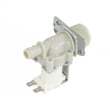
| Water inlet valve | Won’t fill, NF-type symptoms | Kenmore washer water inlet valve 5220FR2008F |
Tips to avoid mix-ups when reading the label
- Write the model number exactly as shown (all digits, no spaces).
- Don’t use the control panel name (for example, “Elite”) as the model.
- If the label is hard to read, use a flashlight and take a close-up photo.
Why it matters
When we have the correct model number and serial number, we can point you to the right Kenmore washer parts and the most accurate repair steps for your exact machine.
Last updated: February 2026
Why is my Kenmore Elite washer leaking from the bottom?
A bottom leak on your Kenmore Elite washer model 79641029900 usually comes from a loose or damaged hose connection, a drain system leak (pump, filter, or tub-to-pump hose), or water escaping at the door opening and running down the cabinet. Start with hose connections and the drain pump area.
Quick checks we recommend first
- Unplug the washer; turn off both water supply taps.
- Pull the washer forward and look for drip trails on the cabinet base.
- Check fill hoses at the wall and at the washer; tighten if loose (a common cause of leaks around the washer).
- Confirm the drain hose is not kinked, pinched, or partially pulled out of the standpipe.
- Look for excessive suds; too much detergent can push water out where it should not.
Most common bottom-leak sources on this model
If the leak is clearly underneath (not from the door), these are the usual suspects:
| Where you see water | Most likely cause | What to do next |
|---|---|---|
| Front bottom (behind lower panel) | Drain pump or pump filter area | Inspect for cracks, loose cap, debris; replace parts if damaged |
| Left or right bottom edge | Fill hose or internal hose seep | Tighten connections; inspect hoses for splits |
| Center bottom during drain/spin | Tub-to-pump hose leak | Check clamps and hose condition; replace if soft, swollen, or cracked |
| Water tracks down from door | Door boot not sealing or dirty | Clean sealing surfaces; inspect boot for tears |
Parts that often fix a leak underneath
- If you find water at the pump housing or motor area, the drain pump assembly is a common repair: motor assembly 4681EA2001T.
- If the leak is at the cleanout/filter area or the filter is damaged, replace the filter: washer drain pump filter 383EER2001A.
- If you see dripping from the large hose between the tub and pump, inspect and replace as needed: washer tub-to-pump hose 4738ER1002A.
Why it matters
A continuing bottom leak can damage flooring, cause corrosion, and lead to drain or spin problems if water reaches wiring or the motor area. Catching a small seep early usually prevents a larger repair.
What to use from the documentation
Our troubleshooting guidance for leaks and hose setup is in the 79641029900 owner's manual, including checks for loose fill hose connections and drain hose placement.
Last updated: February 2026