Installation guide
 Owner’s manual
 Error Codes
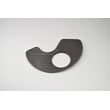


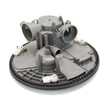
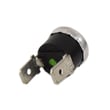
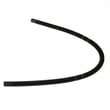
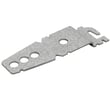
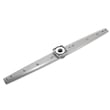
Can I replace dishwasher parts myself?
Yes, for KitchenAid dishwasher model KDFE104HPS0, many common repairs are DIY-friendly if you shut off power and water first and follow the correct steps. Rack hardware, hoses, latches, and some seals are typically straightforward; wiring and plumbing repairs require extra care and the right parts.
Good DIY repairs vs. better left to a pro
Many KDFE104HPS0 repairs are “remove and replace” jobs, but anything involving household wiring, water supply connections, or leak risk deserves more caution.
Usually DIY-friendly
- Dishrack hardware and rollers (for sticking or falling racks)
- Door latch replacement (door won’t close or start)
- Drain hose replacement (slow drain, leaks at hose)
- Detergent dispenser replacement (cup won’t open)
- Door balance adjustments (door drops or won’t stay open)
Often better with advanced DIY skills or a technician
- Water inlet valve replacement (water supply connection, leak risk)
- Drain pump replacement (access, clamps, water in sump)
- Heating circuit issues (burn hazard; verify power is off)
Safety steps we recommend before any repair
Use these steps every time to prevent shock, burns, and leaks (and to protect the door seal and racks).
- Turn off the breaker to the dishwasher (do not rely on the control panel)
- Shut off the water supply valve under the sink
- Let the heating element cool before touching anything inside the tub
- Use only UL Listed/CSA Approved electrical connectors and parts when wiring is involved
- Keep screws and panels organized so all enclosure panels go back in place
Common parts customers replace on KDFE104HPS0
| Symptom | Likely part area | Example part for this model |
|---|---|---|
| Rack won’t roll smoothly | Rack wheels/adjusters | Whirlpool dishwasher dishrack wheel W10195416V |
| Door won’t latch | Door latch | Dishwasher door latch WPW10653840 |
| Not draining or leaking at hose | Drain hose | Dishwasher drain hose 8269144A |
Why it matters
DIY replacement can restore cleaning and draining performance quickly and save service costs, but dishwashers combine electricity and water. Following the correct shutdown steps and the model-specific procedure in the documentation helps prevent leaks, damage to the door seal, and unsafe wiring.
For model-specific disassembly, wiring notes, and installation clearances, use the KDFE104HPS0 installation guide and the KDFE104HPS0 owner’s manual.
Last updated: February 2026
How much to replace control panel on KitchenAid dishwasher?
For KitchenAid dishwasher model KDFE104HPS0, replacing the control panel typically costs $150 to $450 total: about $150 to $300 for the control panel part plus $0 to $150 for labor, depending on whether you DIY or hire service. Confirm the exact procedure in the KDFE104HPS0 owner’s manual.
What you usually pay (part vs. labor)
Control panel replacement cost varies most by which electronic piece is actually needed (user interface panel vs. main control) and whether the console has cosmetic damage.
- DIY (part only): usually $150 to $300
- Service call + labor: commonly $100 to $200 on top of the part
- Extra parts sometimes needed: mounting clips, console seal, wire harness (only if damaged)
| Cost item | Typical range | What changes the price |
|---|---|---|
| Control panel or UI assembly | $150 to $300 | Exact version for KDFE104HPS0, availability |
| Labor (if not DIY) | $0 to $150 | Local rates, access, diagnosis time |
| Optional related parts | $10 to $100+ | Broken tabs, moisture damage, worn seals |
How to tell if it’s the control panel or something else
Before buying parts, we recommend checking for symptoms that point to a different failure.
- Dead or unresponsive buttons but unit has power can indicate a UI/control panel issue.
- Random beeping, lights flashing, or error behavior can indicate a control board or wiring issue.
- Door won’t start a cycle can be a door latch problem; consider the dishwasher door latch WPW10653840 if the door does not consistently “click” shut.
- Moisture intrusion at the console can damage electronics; inspect the console area for signs of water.
Steps that keep the repair from getting more expensive
These steps reduce the chance of damaging the console, wiring, or seals during replacement.
- Shut off power at the breaker before opening the console.
- Take photos of wire connections before disconnecting anything.
- Handle ribbon connectors carefully; do not pull on wires.
- Make sure the console area is dry before reassembly.
- Follow the access and panel handling guidance in the KDFE104HPS0 installation guide if you need to remove lower panels for access.
Why it matters
A misdiagnosed “control panel” problem can lead to buying the wrong electronic part. A quick symptom check (and any stored fault codes) helps you target the right fix and avoid repeat labor.
Last updated: February 2026
What are the commonly replaced parts in a dishwasher?
In a KitchenAid KDFE104HPS0 dishwasher, the most commonly replaced parts are the ones that move water, heat water, seal the door, and support the racks. We also see frequent replacements tied to drainage clogs and normal wear on rack hardware; routine filter cleaning from the KDFE104HPS0 owner's manual helps prevent many performance-related failures.
Commonly replaced dishwasher parts (and what they affect)
- Water fill parts: water inlet valve, supply elbow/washer, related fittings
- Drain parts: drain pump, drain hose, air gap (if used)
- Wash system parts: circulation pump/motor, diverter motor, sump seals and grommets
- Heating and drying parts: heating element assembly
- Door and leak-prevention parts: door latch, lower door seal, hinges, balance link/springs
- Rack and loading parts: rack wheels, rack adjusters, rack clips, racks
- Dispensing parts: detergent dispenser
Model-relevant examples for KDFE104HPS0
These are examples of high-wear items we commonly see replaced on this model family:
| Symptom | Likely part category | Example part for this model |
|---|---|---|
| Not filling or fills slowly | Fill system | Dishwasher water inlet valve W11175771 |
| Not draining, standing water | Drain system | Dishwasher drain pump W10876537 |
| Poor drying or water not heating | Heating | Element assembly W10703867 |
| Detergent door not opening | Dispenser | Dishwasher detergent dispenser W10861000 |
| Door won’t latch or won’t start | Door latch | Dishwasher door latch WPW10653840 |
Quick checks that reduce repeat failures
- Clean and reinstall the upper filter assembly and lower filter correctly; running without properly installed filters can cause problems.
- Confirm the spray paths are not blocked by tall items or misloaded racks.
- If replacing an older unit, install a new water line and drain hose during installation (a common best practice).
- Avoid soldering near the dishwasher water inlet connection; heat can damage nearby components.
- If the door drops or closes too fast, adjust door spring tension evenly on both sides using the steps in the KDFE104HPS0 installation guide.
Why it matters
Most “dishwasher not cleaning,” “not draining,” and “leaking” complaints trace back to filtration maintenance, restricted water flow, or worn seals and pumps. Addressing the root cause (clogs, debris, misalignment, or worn hardware) helps the replacement part last longer.
Last updated: February 2026
What is the average lifespan of a KitchenAid dishwasher?
Most KitchenAid dishwashers, including model KDFE104HPS0, typically last 10 to 14 years with normal household use. Consistent care (monthly cleaning, using rinse aid, and fixing small problems early) is what most often determines whether you land closer to 10 years or closer to 14.
What affects lifespan the most
- Water quality and hard water buildup (scale can reduce cleaning and strain components)
- How often you run it (daily use wears pumps, seals, and racks faster)
- Detergent and rinse aid habits (rinse aid improves drying and helps control deposits)
- Routine cleaning (residue and clogs shorten component life)
- Prompt repairs (a small leak or drain issue can lead to bigger failures)
Maintenance that helps you reach the high end of the range
The KDFE104HPS0 care guidance emphasizes regular cleaning and using rinse aid for drying performance and deposit control. Use these habits as your baseline:
- Run a dishwasher cleaner monthly (per the KDFE104HPS0 owner’s manual)
- Use high-quality detergent packs/tablets and rinse aid
- Wipe the door edges and check for debris that can affect sealing
- If draining slows, check and clean the drain air gap (if your setup has one)
- During extended non-use, shut off water and power to reduce risk of damage
Typical “repair vs. replace” guidance by age
| Dishwasher age | What we usually see | Practical next step |
|---|---|---|
| 0-5 years | Minor adjustments, occasional part replacement | Repair is usually worth it |
| 6-10 years | Wear items, drainage or heating complaints | Repair if the fix is targeted |
| 11-14 years | Multiple symptoms, higher chance of major component wear | Compare repair cost to replacement |
Why it matters
A dishwasher can still run past 10 years, but cleaning performance, drying, and leak risk often change as parts like seals, pumps, and racks wear. Following the care steps in the manual helps protect the tub, motor system, and wash performance over time.
Last updated: February 2026
What is the most common problem with a KitchenAid dishwasher?
For the KitchenAid KDFE104HPS0 dishwasher, the most common problems we see are poor cleaning (from a dirty filter or blocked spray paths) and drain problems (standing water from a restriction in the drain path). Regular care steps in the KDFE104HPS0 user guide help prevent both.
Most common issues (and what they usually point to)
- Dishes still dirty or gritty: filter area needs cleaning, spray arms blocked, or loading is restricting water flow
- Standing water in the tub: drain hose/air gap restriction, sink/disposer blockage, or a weak drain pump
- Not drying well: rinse aid low, cycle selection, or heating issue
- Door won’t latch or cycle won’t start: door not fully closed, latch problem, or control not accepting input
- Leaks at the bottom/front: door seal wear, door not closing squarely, or oversudsing from wrong detergent
Quick checks we recommend before replacing parts
- Clean and maintain the interior monthly; the user guide recommends monthly dishwasher cleaner use to reduce residue that can affect performance.
- If it isn’t draining well, check and clean the drain air gap (if your installation has one).
- Confirm the drain hose routing has a proper high loop and is not kinked.
- Use high-quality detergent packs/tablets and rinse aid for daily care.
- Power reset: turn the dishwasher off at the breaker for 1 minute, then restore power and retry.
Parts that commonly relate to these symptoms on KDFE104HPS0
| Symptom | Common area to inspect | Example part for this model |
|---|---|---|
| Standing water | Drain system | Dishwasher drain pump W10876537 |
| Not filling or weak wash | Water supply into unit | Dishwasher water inlet valve W11175771 |
| Won’t start (door issue) | Door closure | Dishwasher door latch WPW10653840 |
Error codes can speed up diagnosis
If your KitchenAid dishwasher is showing a code or flashing pattern, use the KitchenAid he dishwasher error codes reference to match the code to the most likely failure area.
Why it matters
Most “KitchenAid dishwasher problems” start as maintenance or flow issues (filter, spray, drain path). Fixing those early prevents repeat wash cycles, odor, and pump strain, and it helps you avoid replacing parts that are still good.
Last updated: February 2026