

What are the commonly replaced parts in a dishwasher?
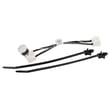
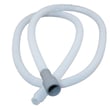
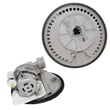
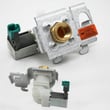
In a Whirlpool GU2455XTSB0 undercounter dishwasher, the most commonly replaced parts are the ones that handle heating, draining, filling, sealing, and rack movement. These parts wear from normal use, hard water buildup, clogs, and repeated door cycles, so they are the first places we check when performance drops.
Most common replacement parts (and what they fix)
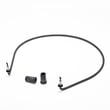
- Heating and drying problems: dishwasher heating element W10518394
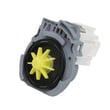
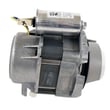
- Won’t drain, drains slowly, or leaves water: dishwasher drain pump WPW10348269
- Won’t fill or fills too slowly: dishwasher water inlet valve WPW10158389
- Leaks at the door or steam escaping: dishwasher door seal W10542314
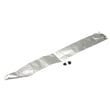
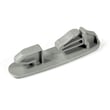
- Upper rack falls off the track: dishwasher dishrack slide rail stop, upper WP8565925
- Dead dishwasher or intermittent power: fuse W10258275
Quick symptom-to-part guide
| Symptom | Most likely area | Example part for GU2455XTSB0 |
|---|---|---|
| Dishes not dry, water not hot | Heating circuit | W10518394 heating element |
| Standing water in tub | Drain system | WPW10348269 drain pump |
| No water entering | Fill system | WPW10158389 inlet valve |
| Water on floor near door | Door sealing | W10542314 door seal |
| Upper rack won’t stay on rails | Rack hardware | WP8565925 rail stop |
What we recommend checking first (before buying parts)
- Clean the filter area and remove debris from the sump.
- Inspect spray arms for clogs and cracks.
- Confirm the drain hose has a high loop and is not kinked.
- Look for mineral scale on the heating element.
- Check the door seal for tears, flattening, or gaps.
- If the unit is completely dead, test the fuse for continuity.
Why it matters
Replacing the correct part restores wash performance, prevents leaks, and avoids repeat failures. For example, a slow drain can be a clog, but a noisy drain with poor flow often points to a failing pump.
Last updated: February 2026
Why is my Whirlpool dishwasher leaking at the bottom of the door?
On the Whirlpool GU2455XTSB0 dishwasher, leaking at the bottom of the door is usually caused by a worn door seal, a door that is not closing squarely, or wash water being deflected forward by a clogged filter area or mis-aimed spray. Start by inspecting the seal and the tub lip for damage and debris.
Quick checks we recommend first
- Make sure the dishwasher is level and not leaning forward.
- Look for food soil, detergent buildup, or a utensil blocking the door from closing fully.
- Inspect the inner door edge and tub lip for nicks, cracks, or hardened residue.
- Check that racks are fully seated and not pushing the door inward.
- Run a short cycle and watch where the first drip appears (center, corners, or both).
Most common causes and what to do
| What you notice | Likely cause | What we do next |
|---|---|---|
| Drips from the bottom corners | Door seal not sealing evenly | Clean the sealing surfaces; replace the seal if torn or flattened |
| Water seems to “sheet” out during wash | Spray deflection from heavy suds or obstruction | Use dishwasher detergent only; reduce rinse aid setting; clear obstructions |
| Leak starts later in the cycle | Overfill, drain restriction, or backflow | Check drain path and air gap/high loop; confirm proper draining |
Door seal issues
If the gasket is split, stiff, or permanently flattened, it will let water escape under wash pressure. Replacing the dishwasher door seal W10542314 is the most direct fix when cleaning and alignment do not stop the leak.
Suds and spray deflection (very common)
Even a small amount of hand soap residue on dishes can create excess suds that push water toward the door. Also, tall items can redirect the spray into the door seam.
- Use only automatic dishwasher detergent
- Skip pre-rinsing with dish soap
- Keep large pans from blocking the lower spray path
- Verify the upper rack is not overloaded and drooping
Why it matters
A door-area leak can damage flooring and can also drip into the toe-kick area where electrical components and insulation sit. Fixing the seal, alignment, and wash conditions early prevents repeat leaks and bigger repairs.
Last updated: February 2026
What is the thing at the bottom of my dishwasher?
In a Whirlpool GU2455XTSB0 dishwasher, the most common “thing” you see at the bottom of the tub is the heating element; it sits low in the wash area and helps heat the water and improve drying performance. A filter/sump area is also located at the bottom.
What it usually is (and what it does)
Most undercounter dishwashers have several components you can notice near the tub floor:
- Heating element: a metal loop/rod that warms water and boosts drying (common to see exposed)
- Sump and filter area: where water collects before being pumped through the spray arms
- Float/overfill protection parts: a small dome or cylinder that helps prevent overfilling
- Drain intake area: where water exits during drain portions of the cycle
If the part you’re seeing is a metal loop running along the bottom, it matches the dishwasher heating element W10518394.
Quick ID guide by appearance
| What you see at the bottom | Most likely part | What you’ll notice |
|---|---|---|
| Metal loop/rod (often U-shaped) | Heating element | Helps with hot wash and drying; may look slightly discolored over time |
| Round screen, grate, or cover | Filter/sump area | Catches debris; can cause poor cleaning if clogged |
| Small plastic dome/cylinder | Float | If stuck up, dishwasher may not fill |
Why it matters
Correctly identifying the bottom component helps you troubleshoot symptoms like poor drying, cloudy dishes, standing water, or a dishwasher that will not fill. For example, a failed heater can reduce drying and cleaning, while a blocked sump/filter can reduce spray pressure.
When to inspect or replace a part
Check the bottom area if you notice any of these:
- Dishes come out cool and wet after heated dry
- White film or greasy residue remains after cycles
- Burning smell or visible damage on the metal element
- Standing water that drains slowly
- Breaker trips during the wash or dry portion
If you’re doing electrical testing during diagnosis, we recommend using a meter and following safe practices from how to use a multimeter to test electrical parts video.
Last updated: February 2026
What dishwasher brands does Whirlpool make?
Whirlpool Corporation sells dishwashers under several major brands, including Whirlpool, KitchenAid, Maytag, JennAir, and Amana. For your Whirlpool GU2455XTSB0 dishwasher, the brand is Whirlpool, but many service approaches and parts concepts are shared across these Whirlpool-family platforms.
Whirlpool dishwasher brand family (common in the US)
These are the most common dishwasher brands you will see associated with Whirlpool Corporation:
- Whirlpool: mainstream, wide availability of parts and service
- KitchenAid: premium features and styling
- Maytag: durability-focused positioning
- JennAir: luxury line with higher-end design
- Amana: value-oriented lineup
Why this matters when you are shopping parts
Brand family matters because many dishwashers share similar designs (wash system, heating circuit, drain path), but parts still must match the exact model number to fit and function correctly.
- Always confirm the full model number (GU2455XTSB0) before ordering
- Match by part ID, not just by description
- If symptoms point to a system (heating, draining, leaking), start with the most common failure parts for that system
Common part examples for GU2455XTSB0 (by symptom)
| Symptom | What to check first | Example part for this model |
|---|---|---|
| Dishes not drying, water not heating | Heating circuit | Dishwasher heating element W10518394 |
| Dishwasher will not drain | Drain path and pump | Dishwasher drain pump WPW10348269 |
| Water leaking at the door | Door sealing surfaces | Dishwasher door seal W10542314 |
| Dead, no lights, intermittent power | Power protection | Fuse W10258275 |
Helpful DIY skill that applies across brands
If you are troubleshooting electrical parts (like a fuse, control, or heater circuit), using a meter is the safest way to confirm an open circuit before replacing parts. Our guide how to use a multimeter to test electrical parts video walks through the basics.
Last updated: February 2026