Installation guide
 Owner’s manual
 Error Codes


What is the life span of a KitchenAid dishwasher?
A KitchenAid dishwasher typically lasts about 10 years with normal household use and routine maintenance. For your KitchenAid KDTE254ESS3, keeping the filters and spray arms clean and fixing small leaks early helps you reach that expected lifespan; see the care guidance in the KDTE254ESS3 owner’s manual.
Most dishwashers wear out from heat, moisture, and moving parts over time. These factors have the biggest impact:
- Water quality (hard water speeds mineral buildup)
- Detergent choice and correct dosing
- How often you run heated dry and high-temp cycles
- Keeping the sump and filters clear of debris
- Promptly addressing leaks, draining issues, or error codes
A dishwasher is usually nearing the end of its service life when problems become frequent or repeat soon after repair.
| Symptom | Common cause | Parts often involved |
|---|---|---|
| Not draining | Clog, weak pump, kinked hose | Drain pump, drain hose |
| Not drying | Heater issue, rinse aid, venting | Heating element |
| Poor cleaning | Clogged filter/spray arm, low fill | Circulation system, inlet valve |
| Won’t start/intermittent | Latch or control issue | Door latch, electronic control |
If you’re seeing error codes on the display, use the model’s troubleshooting steps and code meanings in KitchenAid microclean he dishwasher error codes.
We recommend these habits for KDTE254ESS3 owners:
- Clean the filter area regularly and remove food debris from the sump
- Run a dishwasher cleaner cycle monthly (more often with hard water)
- Use rinse aid to improve drying and reduce spotting
- Load so spray arms spin freely; avoid blocking the detergent door
- Check the door seal area for residue and wipe it clean
Knowing the typical lifespan helps you decide whether to repair or replace. If your KDTE254ESS3 is near the 10-year mark and needs a major repair (pump, motor, or control), comparing repair cost to replacement value usually leads to a better decision.
Last updated: February 2026
What is the most common problem with KitchenAid dishwashers?
The most common issues we see on KitchenAid dishwashers like model KDTE254ESS3 are poor cleaning or drying, not draining, and occasional fill or control-related problems. Most of these trace back to maintenance items (filters, spray arms, detergent and rinse aid use) or a restricted drain path.
- Dirty dishes after a cycle: clogged filter, blocked spray arm holes, overloading, or low water temperature
- Standing water in the tub: blocked drain hose, restricted air gap or disposer inlet, or a weak drain pump
- Not drying well: rinse aid not used, plastics loaded in a way that traps water, or heat/dry system issues
- Won’t start or stops mid-cycle: door not latching fully, control lock settings, or a control problem
- Leaks: door seal wear, loose hose connections, or oversudsing from incorrect soap
Use these steps before replacing parts; they solve a large share of service calls:
- Confirm the water supply valve is fully open (especially after installation).
- Check the tub for suds; excessive detergent or the wrong soap can cause poor washing and interruptions.
- Make sure the overfill protection float moves freely; press down to release it.
- Clean the filter area and inspect spray arms for debris.
- Verify the door closes firmly and the latch engages.
If troubleshooting points to a failed component, these are frequent suspects for this model:
| Symptom | Common part to inspect | Example part for KDTE254ESS3 |
|---|---|---|
| Not draining / water left | Drain pump or drain hose | Dishwasher drain pump WPW10531320 |
| Not filling / slow fill | Water inlet valve | Dishwasher water inlet valve (model-specific) |
| Not drying / poor heat | Heating element | Element assembly (model-specific) |
| Won’t start / door won’t stay shut | Door latch | Dishwasher door latch (model-specific) |
If the Clean light is flashing, we use the built-in problem solver steps and then match the pattern to the correct fault. For code meanings and next steps, use KitchenAid microclean he dishwasher error codes.
Catching a clogged drain path, oversudsing, or a stuck float early prevents repeat cycle failures, standing water odors, and unnecessary part replacement. It also helps you pinpoint whether you need a maintenance fix or a component like a pump or valve.
For model-specific operating tips and the built-in troubleshooting section, use the KDTE254ESS3 owner’s manual.
Last updated: February 2026
How to fix rubber seal on KitchenAid dishwasher?
On KitchenAid dishwasher model KDTE254ESS3, a “rubber seal” issue is usually the door gasket not seated evenly in its channel or the door not closing squarely. We fix it by cleaning the channel, pressing the gasket in evenly end-to-end, then checking door alignment and latch closure per the KDTE254ESS3 installation guide.
- Turn off power to the dishwasher at the breaker.
- Open the door and inspect the gasket for twists, gaps, or sections pulled out of the channel.
- Wipe the gasket and the tub channel with warm water and mild soap; remove debris and detergent buildup.
- Starting at the top center, press the gasket into the channel using your fingers; work evenly down both sides.
- Close and latch the door firmly; keep it closed for several hours so the gasket “sets” into position.
- Run a short cycle and check for drips along the bottom corners.
A seal can leak even when installed correctly if the door tension is off and the door does not close consistently.
Use the spring tension adjustment procedure in the KDTE254ESS3 installation guide. In general:
| What the door does when unlatched | What to adjust | Typical direction |
|---|---|---|
| Falls closed by itself | Spring tension | Move tensioner to a lower-numbered hole |
| Pops open by itself | Spring tension | Move tensioner to a higher-numbered hole |
Keep both sides set to the same hole so the door closes evenly.
If the door is not pulling in tight, the gasket cannot compress correctly.
- Check for dishes or racks preventing full closure.
- Inspect the strike area for damage or looseness.
- If the latch is cracked, sticky, or not holding, replace the dishwasher door latch WPW10653840.
A properly seated gasket and correctly closing door prevent leaks, protect the floor, and help the dishwasher maintain wash temperature and drying performance.
Last updated: February 2026
What are the commonly replaced parts in a dishwasher?
On the KitchenAid KDTE254ESS3 dishwasher, the most commonly replaced parts are the ones that control filling, draining, heating, and door operation, plus rack hardware that wears from daily loading. If you are seeing leaks, poor cleaning, no-drain, or no-heat symptoms, these parts are the first places we check.
These are frequent wear items and failure points on many dishwashers, including the KDTE254ESS3:
- Water inlet valve (fills the tub): dishwasher water inlet valve W11175771
- Drain pump (pushes water out): dishwasher drain pump WPW10531320
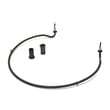
- Heating element (dries and boosts water temp): element assembly W10703867
- Door latch (lets the unit start and stay running): dishwasher door latch WPW10653840
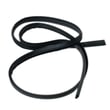
- Door seal (prevents leaks at the bottom of the door): dishwasher door seal, lower W10909089
- Detergent dispenser (releases detergent at the right time): dishwasher detergent dispenser W10861000
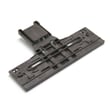
- Rack adjusters and clips (smooth rack movement and height adjust): dishwasher dishrack adjuster WPW10546503
| Symptom | Most likely parts to check first | What you can do right now |
|---|---|---|
| Not draining | Drain pump, drain hose | Clear the filter area; check for a kinked hose |
| Not drying | Heating element, rinse aid use | Use rinse aid; select a heated dry option |
| Not filling | Water inlet valve | Confirm the shutoff valve is fully open |
| Won’t start | Door latch, control | Press door firmly; try a reset per the manual |
| Leaks | Door seal, hoses | Inspect the lower seal for gaps or debris |
Dishwashers rely on correct water flow, filtration, and heating to clean well. The user guide also stresses keeping the filter system installed and cleaning it when dishes feel gritty; a clogged filter can mimic bigger failures and shorten pump life. Use the KDTE254ESS3 owner’s manual for the filter removal and cleaning routine.
- KitchenAid he dishwasher error codes (useful when lights blink or cycles stop mid-wash)
- Dishwasher not draining video
- Dishwasher not drying dishes video
Last updated: February 2026