Owner’s manual



What is the life expectancy of a Samsung front load washing machine?
A Samsung front-load washer like model WF42H5200AW typically lasts 10 to 15 years with normal household use and basic maintenance. Heavy daily use, chronic overloading, and poor cleaning habits shorten lifespan; routine care and prompt repairs extend it. See the WF42H5200AW owner's manual for model-specific care and cleaning guidance.
What affects lifespan the most
- Load size and balance: frequent overloading or unbalanced loads strain the tub, bearings, and suspension.
- Detergent choice: using HE detergent and the right amount reduces residue and odors.
- Moisture control: leaving the door closed after cycles promotes mildew and boot wear.
- Water quality: hard water can increase scale and valve issues.
- Vibration and leveling: an unlevel washer accelerates wear on shocks and the drum system.
Maintenance that helps you reach 10 to 15 years
- Run a monthly tub-clean cycle (or the hottest empty cycle recommended in the manual).
- Wipe the door glass and dry the door boot folds after laundry day.
- Clean the drain pump filter periodically to prevent slow drain and pump strain.
- Keep the washer level and stable; re-check after moving or flooring changes.
- Address new noises, leaks, or error codes early instead of continuing to run cycles.
Quick “what to expect” by usage level
| Usage pattern | Typical life expectancy | What usually wears first |
|---|---|---|
| Light (few loads/week) | 12 to 15 years | Door boot, drain pump, inlet valve |
| Average (most households) | 10 to 12 years | Suspension, pump, door lock |
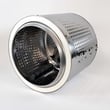
| Heavy (daily, large loads) | 7 to 10 years | Bearings, shocks, tub components |
Why it matters
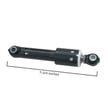
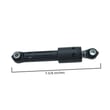
Knowing the expected lifespan helps us decide whether to maintain, repair, or plan replacement. For example, excessive shaking and “walking” often points to worn suspension; replacing a shock absorber such as Samsung washer shock absorber DC66-00470A can reduce vibration and protect the tub system.
Last updated: February 2026
Why is my Samsung WF42H5200AW A2 not filling with water?
If your Samsung WF42H5200AW washer isn’t filling, the most common causes are a closed water supply valve, kinked/blocked fill hoses, clogged inlet screens, or a failed water inlet valve. We recommend checking the simple water-supply items first, then testing the valve if flow is still weak or missing.
Quick checks (fastest fixes first)
- Confirm both hot and cold shutoff valves are fully open.
- Straighten fill hoses; replace hoses that are crushed, bulging, or leaking.
- Make sure the washer is getting power and the cycle is actually started (door fully latched).
- Check household water pressure; most front-load washers need steady pressure to fill normally.
- If you see an error code, match it to the symptom before replacing parts.
Clean the inlet screens (common on this model type)
Sediment can clog the tiny screens where the hoses connect to the washer, which reduces or stops filling.
- Unplug the washer.
- Turn off both water valves.
- Remove the hoses from the back of the washer.
- Carefully rinse and clean the inlet screens; reinstall and check for leaks.
For model-specific steps and safety notes, follow the WF42H5200AW owner's manual.
When the water inlet valve is the problem
If screens are clean and water pressure is good but the washer still won’t fill (or only fills on one temperature), the inlet valve solenoids can fail.
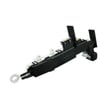
Part to consider for this model: Washer water inlet valve DC62-30314K
What you’ll typically see
| Symptom | Most likely cause | What to do next |
|---|---|---|
| No fill on any setting | No water supply, clogged screens, failed inlet valve | Verify supply, clean screens, then test/replace valve |
| Fills very slowly | Clogged screens, low pressure, partially blocked hose | Clean screens, verify pressure, inspect hoses |
| Hot or cold only | One solenoid/valve side failed | Replace inlet valve |
Why it matters
A no-fill condition can leave detergent undissolved, stop the cycle mid-program, or trigger fill-related error codes. Fixing the water supply path first prevents unnecessary control board or user interface replacements.
Related help: Samsung front load washer nf error code
Last updated: February 2026
Is the Samsung 4.5 front load washer any good?
Yes; the Samsung WF42H5200AW front-load washer is a good performer for most households because it cleans well, spins efficiently, and uses less water than many top-load designs. This model is commonly listed as a 4.2 cu. ft. class washer (not 4.5), so confirm capacity and features in the WF42H5200AW owner's manual.
What “good” looks like on the WF42H5200AW
We consider this Samsung front-load washer “good” when it stays stable at high spin, rinses clean with HE detergent, and remains odor-free with basic door-boot care.
Typical strengths
- Handles bulky items well for a front loader in this size class
- High-speed spin helps reduce dryer time
- Strong cleaning with proper cycle and soil settings
- Generally quiet operation when installed level
Common issues and the fastest fixes
Most complaints come from installation, loading, or maintenance, not the wash system itself.
- Vibration or “walking”: level the cabinet and reduce load size
- Musty odor: wipe the door boot dry and leave the door ajar
- Wrinkling: avoid overpacking; lower spin speed for synthetics
- Drain problems: clean the pump filter and check for small items
Symptom guide
| Symptom | Most common cause | Best first step |
|---|---|---|
| Shaking/banging | Unlevel feet, overloaded drum | Re-level; wash smaller loads |
| Musty smell | Moisture and detergent residue | Clean boot; run tub clean |
| Not draining | Clogged filter, pump obstruction | Clean filter; inspect drain path |
| Not filling | Closed valves, clogged screens | Open valves; clean screens |
For vibration-related error guidance on Samsung front loaders, use our Samsung front load washer dc error code resource.
Why it matters
Correct leveling, HE detergent dosing, and door-boot drying prevent excess wear on suspension components and help keep the washer fresh, quiet, and reliable over time.
Last updated: February 2026