Owner’s manual




How do I reset the lid lock on my Whirlpool washer?
On the Whirlpool WFW6620HC1 (a front-load washer), there is no lid lock to reset; it uses a door lock. The most reliable “reset” is a power reset: unplug the washer (or turn off the breaker) for 5 minutes, restore power, then start a cycle and press Start/Pause to see if the door locks normally. For model-specific control and error steps, use the owner's manual.
Quick reset steps (door lock)
- Press Power to turn the washer off.
- Unplug the washer (or switch the breaker off) for 5 minutes.
- Restore power.
- Close the door firmly; do not slam.
- Select a cycle and touch and hold Start/Pause to begin.
- If the control shows a code, note it before powering off again.
If the door still will not lock
These checks fix most “door won’t lock” and “won’t start” complaints on front-load Whirlpool washers.
- Make sure the door is fully closed and laundry is not caught in the door opening.
- Check the door strike for cracks or looseness; a damaged strike can prevent the lock from engaging.
- If the washer is full of water, focus on draining first; a drain problem can keep the door locked.
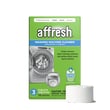
- Run a cleaning cycle periodically; heavy detergent residue and buildup can contribute to odor and gunk around the door area (the manual recommends monthly or every 30 cycles).
- If the lock clicks repeatedly or never clicks, the door lock assembly is a common failure point.
Parts that commonly solve this problem
| Symptom | Most likely part | When it fits |
|---|---|---|
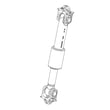
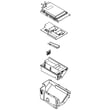
| Door won’t lock or unlocks immediately | Ha15g janus- W11565030 | Lock mechanism is weak, intermittent, or dead |
| Door closes but won’t “catch” | Strike, door W11316914 | Strike is cracked, loose, or misaligned |
| Door stays locked because washer won’t drain | Washer drain pump assembly W11458345 | Standing water, slow drain, drain errors |
Why it matters
A working door lock is a safety interlock; the control will not run a wash or spin if it cannot confirm the door is locked. Resetting power clears a temporary control glitch, but repeated lock failures usually point to a worn lock, strike, or a drain issue.
Last updated: February 2026
Where is the drain pump filter on a Whirlpool washer?
On the Whirlpool WFW6620HC1 front-load washer, the drain pump filter is located behind the dispenser drawer at the bottom front of the washer. Pull the dispenser drawer out to reveal the drain pump filter access area; then you can drain residual water and remove the filter.
How to access the drain pump filter (WFW6620HC1)
- Make sure the washer is off.
- Pull open the dispenser drawer using the handle at the base/front.
- Remove the drawer by releasing the side tabs (press the right tab down and the left tab up).
- Place a shallow container under the filter area.
- Release the small black drain hose from its clip, remove the plug, and drain water into the container.
- Turn the drain pump filter counterclockwise to remove it.
Quick checklist before you open it
- Put towels down; some water will spill.
- Use a broad, flat container to catch water.
- Drain the small hose first to reduce the mess.
- Turn the filter slowly counterclockwise.
- Clean lint and debris from the filter before reinstalling.
What you should see and what it means
| What you find in the filter | What it usually indicates | What to do next |
|---|---|---|
| Lint, coins, hair pins | Normal debris buildup | Rinse filter, reinstall tightly |
| Lots of sludge/odor | Detergent residue, infrequent cleaning | Clean filter and run a cleaning cycle |
| Repeated clogs | Items escaping pockets, heavy lint loads | Check pockets, use a mesh bag for small items |
Why it matters
A clogged drain pump filter can cause slow draining, standing water, and drain-related error conditions. Keeping the filter clean helps protect the drain pump and improves wash performance.
Parts that commonly relate to draining problems
If the washer still will not drain after cleaning the filter, the issue is often in the pump or drain path. Model-matched parts for WFW6620HC1 include:
- Washer drain pump assembly W11458345 (pump that moves water out of the tub)
- Washer drain hose assembly W11549455 (hose that carries water to the home drain)
For the exact steps and illustrations for your washer, follow the procedure in the owner's manual.
Last updated: February 2026
What is the most common problem with Whirlpool washers?
The most common Whirlpool washer problems are draining issues (clothes stay wet), water leaks, excessive vibration or noise, and the washer not starting. On the Whirlpool WFW6620HC1, many of these symptoms trace back to maintenance items like hoses, leveling, and cleaning routines outlined in the owner's manual.
Most common issues we see (and what to check first)
- Won’t drain or leaves clothes wet: check for a clogged drain path; a failing pump is also common.
- Leaks: inspect inlet hoses and door seal area for drips, cuts, or loose connections.
- Shaking, walking, or loud vibration: confirm the washer is level and all four feet contact the floor.
- Won’t start or won’t lock: door lock and strike problems can prevent a cycle from beginning.
- Odor or residue buildup: detergent overuse and poor ventilation can cause smells and dispenser residue.
Quick model-specific maintenance that prevents “common problems”
The WFW6620HC1 manual calls out a few high-impact habits:
- Replace water inlet hoses every 5 years and inspect for bulges, kinks, cuts, wear, or leaks.
- Use HE detergent and do not exceed the recommended amount (overuse can drive residue and odor).
- Leave the door open between uses to help the tub dry and reduce odor-causing buildup.
- Clean dispenser residue periodically; dispensers are not dishwasher-safe.
- If vibration is an issue, level the washer and adjust the leveling feet and jam nuts as needed.
Common symptom-to-part mapping (when checks don’t fix it)
| Symptom | Most likely area | Example part on this model page |
|---|---|---|
| Won’t drain, standing water | Drain pump or drain hose restriction | Washer drain pump assembly W11458345 or washer drain hose assembly W11549455 |
| Won’t start, door won’t lock | Door lock or door strike | Ha15g janus- W11565030 or strike, door W11316914 |
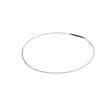
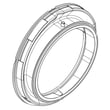
| Leaks at the front/door area | Door boot (bellow) or clamp | Bellow, d412 W11314648 or clamp WP596669 |
Why it matters
Catching these issues early helps prevent secondary damage (moldy odors, repeated unbalanced loads, or water damage). Simple steps like replacing inlet hoses on schedule and leveling the cabinet reduce the most frequent service calls.
If your washer is showing an error code along with the symptom, use our Whirlpool duet high efficiency front load washer error codes guide to narrow the cause before replacing parts.
Last updated: February 2026
What is the average lifespan of a Whirlpool dryer?
A Whirlpool dryer typically lasts 13 years with normal household use. Your model page is for the Whirlpool WFW6620HC1 washer, but dryer life expectancy is generally consistent across most Whirlpool electric and gas dryers when airflow and venting are kept clear.
Typical lifespan range
Most household dryers fall into a predictable window:
- Average: 13 years
- Common range: 10 to 13 years
- Shortened lifespan drivers: heavy daily loads, poor venting, overheating
What affects dryer life the most
- Vent restriction (long runs, crushed flex duct, clogged hood)
- Lint buildup (screen, blower housing, duct)
- Overloading (extra strain on motor, belt, drum support)
- High heat use on every load (more thermal stress)
- Ignoring early symptoms (squealing, thumping, long dry times)
Quick comparison
| Dryer type | Average lifespan | What usually shortens it fastest |
|---|---|---|
| Electric dryer | 13 years | Restricted venting, lint buildup, overloading |
| Gas dryer | 13 years | Restricted venting, lint buildup, burner wear |
Maintenance that extends dryer life
- Clean the lint screen before every load.
- Keep the exhaust duct short, straight, and uncrushed.
- Clean the vent duct and outside hood regularly.
- Stop using the dryer if you smell burning or it repeatedly overheats.
Why it matters
A dryer nearing end-of-life runs longer and hotter, which increases wear on clothing and raises the chance of heat-related failures. Airflow is the single biggest factor you can control.
For laundry-room safety practices that apply to both washers and dryers, follow the safety guidance in the WFW6620HC1 owner's manual.
Last updated: February 2026