 Owner’s manual


What is the capacity of GHW9100LW2?
The Whirlpool GHW9100LW2 washer’s exact tub capacity (in cubic feet) is not identified in the model-specific information we have for this model. For practical use, we recommend sizing loads by basket fill level and fabric type using the guidance in the GHW9100LW2 use & care manual.
We use these loading rules to prevent poor cleaning, vibration, and leaks on front-load washers like the Whirlpool GHW9100LW2:
- Load items loosely; do not pack them down.
- Fill the drum no more than about 3/4 full for everyday mixed loads.
- For bulky items (comforters, jackets), wash 1-2 items at a time.
- Mix large and small items to help balance during spin.
- Use HE detergent; too much detergent can cause oversudsing and longer cycles.
| Load type | What it looks like in the drum | Why it helps |
|---|---|---|
| Small | Around 1/4 full | Best for delicates and single heavy items |
| Medium | Around 1/2 full | Good cleaning with strong tumble action |
| Large | Around 3/4 full | Maximizes capacity without overloading |
Capacity is often used for comparison shopping, but day-to-day performance depends more on correct loading, cycle selection, and detergent type. Overloading can reduce tumbling action, leave detergent residue, and increase out-of-balance spinning.
Last updated: January 2026
What is the life expectancy of a Whirlpool washing machine?
A Whirlpool washing machine like model GHW9100LW2 typically lasts 10 to 14 years with normal household use. Consistent care (proper loading, correct detergent, and routine cleaning) is what most often determines whether you land closer to 10 years or closer to 14.
We see these factors make the biggest difference on Whirlpool washers, especially front-load models:
- Overloading (stresses the drive system, suspension, and bearings)
- Using non-HE detergent or too much detergent (can cause oversudsing and residue)
- Poor ventilation (closing the door tight after use can lead to odor and seal issues)
- Hard water buildup (can affect valves, hoses, and internal passages)
- Skipping basic maintenance like cleaning the dispenser and door seal
For model-specific operating and care steps, follow the maintenance guidance in the GHW9100LW2 use & care manual.
- Use HE detergent and measure carefully
- Leave the door slightly open between loads to dry the boot area
- Wipe the door seal/boot fold and check for small items
- Clean the dispenser drawer periodically
- Inspect inlet hoses for bulges, cracks, or leaks
- Keep the washer level to reduce vibration and wear
These are typical examples of what owners replace over time.
| Category | Examples | What it usually looks like |
|---|---|---|
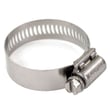
| Wear/maintenance items | Hoses, clamps, seals | Small leaks, residue, odors |
| Functional parts | Pump, inlet valve, door lock | No drain, no fill, won’t start |
| Major repairs | Bearings/tub issues, control failures | Loud roaring, repeated errors, costly repair |
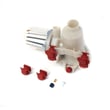
If your washer stops draining or drains slowly, the drain system components are a common place to start; the water pump 280187 is one of the compatible parts for this model.
Knowing the typical life expectancy helps you decide whether to invest in a repair (like a pump or valve) versus planning for replacement, especially once the washer is past the 10-year mark.
Last updated: January 2026
What is the most common problem with Whirlpool washers?
For the Whirlpool GHW9100LW2 washer, the most common service issues we see are drain problems (won’t drain or slow drain), leaks, and no-spin or poor-spin performance. These symptoms often trace back to a restriction (coins, lint), a hose issue, or a worn pump or door seal.
- Washer won’t drain / shows a drain-related error: drain pump restriction or failure, kinked/clogged drain hose
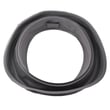
- Water leaking at the front: door boot (bellows) not sealing, debris in the seal, or a tear
- Washer won’t start or door won’t lock: door lock or door strike not engaging
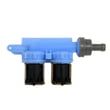
- Washer won’t fill or fills slowly: inlet screens clogged, inlet valve issue
- Excessive vibration during spin: leveling/installation, load balance, or suspension components
For cycle behavior, error messages, and care steps specific to this front-load platform, use the GHW9100LW2 use & care manual.
- Confirm the load is balanced (mix large and small items; avoid single heavy items).
- Check the drain hose routing: no kinks; not shoved airtight into the standpipe.
- Verify water supply: both faucets fully open; inlet hoses not kinked.
- Use HE detergent only and reduce amount if you see oversudsing.
- Inspect the door seal for small items (socks) and debris that can cause leaks.
If troubleshooting points to a failed component, these model-matched parts are common fixes:
| Symptom | Likely part to inspect/replace | Example model-matched part |
|---|---|---|
| Won’t drain / drain error | Drain pump | Water pump 280187 |
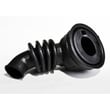
| Leaks at door | Door boot (bellows) | Washer door boot WP8182119 |
| Won’t fill / inlet error | Water inlet valve | Washer water inlet valve WP8181694 |
| Slow drain or siphoning issues | Drain hose | Washer drain hose WP8181737 |
Drain and leak issues can quickly lead to standing water, odors, and repeat cycle failures. Catching a restriction early (before the pump overheats or the seal tears) usually keeps the repair simpler and less expensive.
Related help: Whirlpool duet he front load washer error codes.
Last updated: January 2026
How do I reset the lid lock on my Whirlpool washer?
On the Whirlpool GHW9100LW2, there is no lid lock because it’s a front-load washer; it uses a door lock. To “reset” a stuck door lock, cancel the cycle, let the washer drain if needed, then restart the washer and run DRAIN/SPIN so the control can unlock the door normally.
Follow the same cancel and restart steps described in the GHW9100LW2 use & care manual.
- Press PAUSE/CANCEL twice to cancel the cycle.
- If water is in the drum, wait for the washer to drain (the door may stay locked until draining finishes).
- Unplug the washer for 1 minute, then plug it back in.
- Select DRAIN/SPIN.
- Press HOLD TO START (about 1 second).
- When the cycle ends, the door should unlock.
A front-load washer typically keeps the door locked when it senses conditions that could cause a spill.
Check these common causes:
- Water still in the tub: the washer will not unlock until the water level is safe.
- Drain restriction: kinked drain hose, clogged standpipe, or improper drain height.
- Oversudsing: too much detergent can extend drain routines.
- Latch alignment issue: the strike or lock may not be engaging consistently.
If the strike is cracked or loose, replace it with the model-compatible washer door strike WP8181651.
| What you notice | What it usually means on GHW9100LW2 | What to do next |
|---|---|---|
| Door locked with water inside | Drain did not complete | Run DRAIN/SPIN; check drain hose routing |
| Door will not lock at start | Strike or lock not engaging | Inspect strike and latch alignment |
| Door stays locked after cycle ends | Control waiting for drain completion | Cancel cycle; power reset; then DRAIN/SPIN |
Using the correct door-lock reset steps for the Whirlpool GHW9100LW2 helps prevent leaks and avoids damage from forcing the door. Most “lock” complaints on this model trace back to draining problems, oversudsing, or a worn door strike.
Last updated: January 2026





