Owner’s manual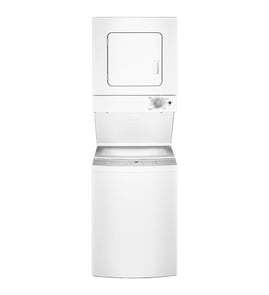



How do I find the right GE part number?
For your GE GFQ14ESSN0WW laundry center/combo, the right part number comes from matching the exact model number to the parts diagram and then confirming the part’s ID and description before ordering. Using the model number first prevents buying a look-alike part that will not fit or connect correctly.
Step-by-step: the fastest way to get the correct part
- Find the model tag and confirm it reads GFQ14ESSN0WW (letters and numbers matter).
- Use the model number to pull up the parts breakdown and diagrams in the GFQ14ESSN0WW owner’s manual.
- Identify the failed part by location and function (door area, fill system, drain system, heater, controls).
- Match the diagram callout to the part ID and part number.
- Double-check symptoms before ordering (for example, no-fill issues often point to a valve or pressure sensing issue).
Common “mix-ups” that cause wrong-part orders
- Confusing a part number with a model number.
- Ordering by appearance only (connectors, mounting tabs, and hose sizes can differ).
- Mixing up similar-sounding parts (for example, a temperature sensor vs. a heater).
- Skipping the revision or variant of the model (always use the full GFQ14ESSN0WW).
Examples of model-matched parts for GFQ14ESSN0WW
| Symptom you’re fixing | Part type to look up | Example part on this model |
|---|---|---|
| Door will not latch or close properly | Door strike or lock | Door strike WH01X28362 |
| Washer will not fill or overfills | Pressure sensing / fill control | Pressure switch WH12X27815 |
| Dryer will not heat | Heating circuit component | Heater WE11X27152 |
Why it matters
Laundry center/combo units pack the washer and dryer systems into one chassis, so the correct GE part number ensures the right electrical connectors, hose routing, and mounting points. That saves time, prevents leaks, and avoids repeat repairs.
Last updated: February 2026
How to order GE appliance parts?
For GE model GFQ14ESSN0WW, order replacement parts by matching the part number to your exact model and serial number, then purchasing through the parts list for this model on Sears PartsDirect. Keep your model and serial handy to avoid wrong-part returns.
Fastest ways to order the right part
- Confirm the full model number: GFQ14ESSN0WW
- Locate the serial number on the unit’s rating label
- Use the part number from diagrams or the parts list (example: WH23X29940)
- Compare your old part to the listing photos and description when possible
- Order online through the parts list for this model, or contact Sears PartsDirect support for help
Use the manual to verify part identification
The GFQ14ESSN0WW owner's manual includes model-specific diagrams and information that help you confirm you are selecting the correct replacement part and any required hardware.
Common part types customers order for this laundry center
| Part type | What it affects | Example from this model’s parts |
|---|---|---|
| Water fill | No fill, slow fill, fill errors | Washer cold water inlet valve WH23X29940 |
| Door/latch | Won’t start, door won’t lock | Door lock WH01X28354, door strike WH01X28362 |
| Heating/temperature sensing | Poor drying, no heat, temp errors | Heater WE11X27152, thermistor g WE01X27167 |
Why it matters
This GE laundry center combines washer and dryer functions in one chassis; ordering by exact model and part number prevents fit issues, repeat repairs, and downtime.
Last updated: March 2026
How to reset GE Profile washer dryer combo?
To reset your GE GFQ14ESSN0WW washer dryer combo, unplug it for 30 seconds, then plug it back in and press Power to wake the display. This clears many temporary control glitches and lets you restart a wash only, dry only, or wash and dry cycle.
Quick reset steps (safe and effective)
- Press Start/Pause once to pause the cycle.
- Press Power to put the unit in standby.
- Unplug the laundry center for 30 seconds.
- Plug it back in.
- Press Power to wake the display, select a cycle, then press Start/Pause.
If the display is dark, pressing Power wakes it up (Power does not disconnect power to the unit). For full control and cycle details, use the GFQ14ESSN0WW owner’s manual.
If it still will not start after a reset
These are the most common start blockers on this GE combo laundry center:
- Door not fully closed; the unit will not start with the door open.
- Door lock delay after drying; the door can stay locked until internal temperatures cool.
- Controls locked; unlock the control lock if it is enabled.
- Paused too long; if paused and not restarted within about 15 minutes, the cycle can cancel.
- Automatic checks; after pressing Start/Pause, the unit may lock and unlock and water should begin flowing within about 45 seconds.
What to expect: normal vs. problem
| What you see | Usually means | What to do |
|---|---|---|
| Display wakes when you press Power | Control is responsive | Start a new cycle |
| Door locks during dry | Normal safety behavior | Wait for cool-down |
| No water right away | System checks running | Wait up to ~45 seconds |
| Cycle cancels after pausing | Timeout behavior | Re-select cycle and press Start/Pause |
Why it matters
A reset restores the control to a known good state, which helps when the user interface, door lock logic, or cycle status gets “stuck” after a power blip or an interrupted wash and dry sequence.
Last updated: February 2026
Is there a lint trap in GE washer dryer combo?
Yes. The GE GFQ14ESSN0WW washer dryer combo uses a lint filtering system, but it is not always a traditional, easy-to-spot screen like a standard dryer lint trap; lint is typically managed through the condenser-style drying airflow and internal filtering that needs periodic cleaning per the GFQ14ESSN0WW owner’s manual.
Where to look and what to clean
On ventless condenser laundry centers, lint control is usually tied to airflow and moisture removal areas, so cleaning is about keeping passages and filters clear.
- Check the areas the manual calls out for routine cleaning and maintenance
- Clean any accessible lint filter or screen if your unit has one behind a small access panel
- Wipe the door opening and gasket area after loads to prevent lint buildup and odors
- Keep the detergent drawer area clean so water flow and rinsing stay consistent
- Avoid overloading; the manual recommends filling the drum about 2/3 full for best air movement and drying
Symptoms that point to lint buildup
If lint is not being captured or airflow is restricted, you will usually notice performance changes first.
| What you notice | What it often means | What to do first |
|---|---|---|
| Clothes still damp after dry | Restricted airflow or lint buildup in condenser path | Clean the lint-related areas listed in the manual; reduce load size |
| Longer dry times than normal | Load too large or airflow restricted | Fill drum about 2/3 full; run cleaning steps |
| Musty odor or residue at door | Lint and moisture collecting at gasket | Wipe gasket and door area; leave door ajar between loads |
| Excess lint on clothes | Too much lint generation or filter needs cleaning | Clean filter areas; sort lint-shedding items |
Why it matters
Lint buildup reduces airflow, which makes ventless condenser drying take longer and can leave clothes damp. Keeping the lint filtering and airflow path clean helps the GFQ14ESSN0WW dry more evenly and protects components like the heater and fan system.
Last updated: February 2026
What are the specs of the GE GFQ14ESSN0WW?
The GE GFQ14ESSN0WW is a front-load steam washer with a condenser dryer in a single combo unit. For the most accurate model-specific specifications (dimensions, electrical requirements, capacities, and feature set), we recommend confirming them in the GFQ14ESSN0WW owner’s manual.
Common specs customers look for
These are the most-requested specs to verify before delivery, installation, or ordering parts:
- Dimensions (width, height, depth) for fit in a closet or alcove
- Electrical: electric power requirements and grounding guidance
- Water connections: hot to “H” valve, cold to “C” valve
- Ventilation: condenser drying (typically no external vent duct)
- Capacity: washer capacity in cubic feet
- Door swing: whether the door is reversible
Installation-related requirements (what to check first)
The manual calls out several setup items that directly affect performance and reliability:
- Connect the hot water hose to the “H” valve and the cold water hose to the “C” valve
- Level the unit and adjust legs so it sits stable (reduces vibration and banging)
- Properly ground the laundry center per local codes
- Avoid installing where it can freeze or be exposed to weather
- Replace water supply hoses about every 5 years to reduce risk of hose failure
Quick spec checklist (fill this in before you buy parts)
| Spec to confirm | Where to find it | Why it matters |
|---|---|---|
| Width, height, depth | GFQ14ESSN0WW owner’s manual | Fit, door clearance, stacking space |
| Electrical rating | GFQ14ESSN0WW owner’s manual | Correct outlet and breaker sizing |
| Water hookup locations | GFQ14ESSN0WW owner’s manual | Prevents fill errors and leaks |
| Dryer type (condenser) | GFQ14ESSN0WW owner’s manual | Impacts drying time and airflow needs |
Why it matters
Specs drive everything from whether the unit fits your space to whether it fills, drains, spins, and dries correctly. For example, incorrect leveling can cause loud vibration, and incorrect hose hookups can cause fill problems.
If you’re also seeing an error on the display while checking operation, use our GE error codes reference to match the code to the right troubleshooting steps and parts.
Last updated: February 2026
What does GFQ14ESSN0WW stand for?
GFQ14ESSN0WW is the full GE model number used to identify your exact front load steam washer and condenser dryer combination unit. We use the complete model number to match the correct parts, troubleshooting steps, and installation requirements for your specific configuration.
What the model number tells you
GE model numbers work best as an exact identifier for parts and service. For GFQ14ESSN0WW, the most practical way to interpret it is:
- GFQ14: Product family/series for this GE combo laundry unit
- ESS: Feature/configuration package code
- N0: Engineering revision that can affect parts compatibility
- WW: Finish/color code (commonly white)
For cycle details, error code displays, and installation clearances, use the GFQ14ESSN0WW owner’s manual.
Why the exact model number matters for parts
Even small character changes in a GE model number can point to different wiring, controls, or door components. Using the full GFQ14ESSN0WW model number helps ensure the replacement part fits and functions correctly.
Parts that commonly vary by revision include:
- Door lock, door strike, and door switch components
- Water inlet valve and pressure sensing parts
- Temperature sensors and thermistors
- Control panel, user interface, and wiring harnesses
- Motor drive components such as the inverter board
Examples of parts listed for this model
| Part type | Example part | What it affects |
|---|---|---|
| Door closure alignment | Door strike WH01X28362 | Helps the door latch line up and close properly |
| Water level sensing | Pressure switch WH12X27815 | Detects water level for filling and safety |
| Dryer heat | Heater WE11X27152 | Provides heat for the dry cycle |
Why it matters
When you’re ordering parts or following troubleshooting steps, the full model number is the key that keeps you aligned with the correct GE documentation and the correct replacement components.
Last updated: February 2026
What is the life expectancy of a GE washing machine?
Most GE washing machines typically last 10 to 14 years with normal household use and basic maintenance. For the GE GFQ14ESSN0WW laundry center/combo, consistent care (correct detergent, not overloading, and hose upkeep) is what most directly extends service life; see the GFQ14ESSN0WW owner’s manual.
What affects lifespan the most
- Load size and frequency: Overloading and back-to-back heavy loads increase wear on the tub, motor, and suspension.
- Detergent choice: Use HE detergent and dose correctly to reduce residue and stress on the drain system.
- Moisture control: Wipe the door area and leave the door cracked open between loads to reduce odor and seal wear.
- Water supply hose condition: Replace fill hoses every 5 years to reduce failure risk.
- Leveling and vibration: A unit that is not level wears dampers and bearings faster.
Maintenance schedule we recommend
| Task | How often | Why it helps |
|---|---|---|
| Clean the washer and dispenser areas | Monthly | Reduces buildup that can cause odors and poor draining |
| Check and replace water supply hoses | Every 5 years | Prevents leaks and hose rupture risk |
| Verify unit is level and stable | At install, then yearly | Reduces banging, walking, and suspension wear |
| Use correct cycle and avoid overloading | Every load | Protects motor, tub, and dampers |
Signs it is nearing end-of-life
- Repeated leaks from the door area or internal hoses
- Loud banging or persistent vibration even after leveling
- Frequent drain or spin problems
- Burning smell, tripped breaker, or intermittent power issues
- Repair costs approaching a large share of replacement cost
Why it matters
A laundry center/combo like the GE GFQ14ESSN0WW packs washer and dryer functions into one chassis, so heat, moisture, and vibration management are key. Simple habits plus hose replacement intervals do more for longevity than any single “magic” fix.
Last updated: February 2026
What is the most common problem with a GE dryer?
For the GE GFQ14ESSN0WW laundry center, the most common dryer complaint we see is long dry times or “no heat” symptoms. In this model type, long dry times are often caused by load and setting issues (heavy fabrics, overloading, mixed loads) and, less often, a failed heating component.
Most common symptoms and what they usually mean
- Clothes take too long to dry: heavy fabrics, large loads, mixed fabrics, or controls not matched to the load.
- Load still damp on a dryness level: mixed heavy and light fabrics; the cycle ends before heavier items dry.
- Dryer not heating: heating circuit issue (heater, thermistor, wiring) or airflow/condensing performance issue.
- Dryer won’t start: door not fully closed, door switch/lock issue, or power supply problem.
- Poor tumbling: load size too small or mechanical drive issue.
For model-specific operating tips and troubleshooting tables, use the GFQ14ESSN0WW owner’s manual.
Quick checks we recommend first (fast, no tools)
- Sort by fabric weight: keep towels and heavy items separate.
- Reduce load size: do not dry more than one washer load at a time.
- Use the right dryness option: for mixed loads, select Auto Extra Dry.
- Confirm power is solid: many dryers require two breakers/fuses; reset both.
- Expect longer dry times on condensing units: condensing dryers typically run longer than vented dryers.
Common causes vs. what you’ll notice
| What you notice | Most likely cause | Best next step |
|---|---|---|
| Long dry times | Heavy/large load, mixed fabrics, settings mismatch | Re-sort, reduce load, adjust dryness level |
| Still damp at end | Mixed heavy and light items | Choose Auto Extra Dry, split the load |
| No heat | Heater or temperature sensing issue | Check heating components and wiring |
If you’re chasing a true “no heat” condition, the heating system parts most often involved include the heater WE11X27152 and temperature sensing components such as the thermistor g WE01X27167.
Why it matters
Long dry times are usually a usage or cycle-selection issue, and fixing that first saves time and prevents unnecessary part replacement. When it is a heating failure, addressing it quickly helps avoid repeated damp loads and extra wear on the laundry center.
Last updated: February 2026
What parts fail in a washing machine?
In the GE GFQ14ESSN0WW laundry center/combo, the most common failures are in the drain and fill system, door locking components, and vibration control parts. Many “failed part” symptoms are triggered by clogs, kinks, or overloading first, so we always recommend checking those basics before replacing parts.
Most common parts that fail (and what you’ll notice)
- Drain system: slow drain, won’t drain, incomplete cycle, water left in drum (often a clogged pump filter or restricted hose).
- Water inlet valve: won’t fill, fills slowly, or stops mid-cycle (cold fill issues can point to the washer cold water inlet valve WH23X29940).
- Pressure sensing: overfilling, underfilling, or level errors (commonly tied to the pressure switch WH12X27815 or its hose).
- Door lock and door switch: won’t start, door won’t unlock, or “door” related errors (often the door lock WH01X28354 or door switch WH18X28404).
- Door seal and clamps: leaks at the front, musty odor, water on floor (often the washer/dryer combo door boot WE05X29928 and/or outer gasket clamp WH01X28350).
- Suspension/dampers: banging, shaking, walking (often the damper asm WH43X28367 or right damper asm (120n) WH16X28408).
Quick checks before you buy parts
These checks solve a large share of “failure” complaints on combo laundry centers:
- Reduce load size; clothes need room to move freely.
- Check for a kinked drain hose and make sure the unit is not sitting on it.
- Make sure the drain hose is not pushed too far down the standpipe; keep an air gap to prevent siphoning.
- Clean the pump filter (the manual’s Care and Cleaning section covers this).
- If the door is locked, press Start/Pause and wait up to about 30 seconds for it to unlatch; do not force it.
Symptom-to-part cheat sheet
| Symptom | Most likely area | Examples of related parts |
|---|---|---|
| Won’t drain / stops near end | Drain path restriction | Pump filter, drain hose routing |
| Won’t fill / fills slowly | Fill system | WH23X29940, inlet screens |
| Won’t start / door message | Door lock circuit | WH01X28354, WH18X28404 |
| Leaks at door | Door seal | WE05X29928, WH01X28350 |
| Loud banging / heavy vibration | Suspension | WH43X28367, WH16X28408 |
Why it matters
Replacing the wrong part is expensive and frustrating. On the GFQ14ESSN0WW, basic issues like overloading, a clogged pump filter, or a siphoning drain hose can look exactly like a bad pump, control, or sensor. The GFQ14ESSN0WW owner’s manual troubleshooting table is the fastest way to match symptoms to the right fix.
Last updated: February 2026
Where is the serial number on a GE Laundry Center?
On the GE GFQ14ESSN0WW laundry center/combo, the model and serial number are on a label inside the door. Open the unit door and look along the inner door area where the label is easy to read for service, parts lookup, and registration.
Quick ways to find it fast
- Open the washer/dryer combo door fully and look on the inner door opening.
- Check the door frame area first; labels are commonly placed where the door seals.
- Wipe away lint or detergent residue so the numbers are readable.
- Write down both the model number and serial number exactly as shown.
- Take a clear photo of the label for future reference.
What the label typically includes
| Item on the label | What it’s used for | When you’ll need it |
|---|---|---|
| Model number (GFQ14ESSN0WW) | Matching parts and diagrams | Ordering parts, checking compatibility |
| Serial number | Identifying your exact production unit | Warranty service, support calls |
| Electrical ratings | Confirming power requirements | Installation checks, troubleshooting |
Why it matters
We use the serial number to narrow down the correct GE parts for your exact build, especially on combo laundry centers where small design changes can affect fit and wiring.
Helpful next step
Use the location diagram and documentation in the GFQ14ESSN0WW owner’s manual to confirm the label location and record the numbers in the provided spaces.
Last updated: February 2026