- Kenmore refrigerator water filters
- Whirlpool refrigerator water filters
- Samsung refrigerator water filters
- GE refrigerator water filters
- LG refrigerator water filters
- Frigidaire refrigerator water filters
- KitchenAid refrigerator water filters
- Maytag refrigerator water filters
- Kenmore Elite refrigerator water filters
- Estate refrigerator water filters
- GE Profile refrigerator water filters
- Amana refrigerator water filters
- Bosch refrigerator water filters
- Dacor refrigerator water filters
- Electrolux refrigerator water filters
Top DIY repair help
View All Repair Categories
Appliances
Lawn & Garden
Power Tools
Home Improvement
Sports & Leisure
Heating & Cooling
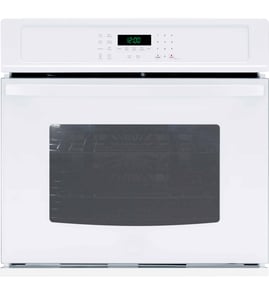
Viking Range Wall oven Parts — Browse All Models
Finding the right Viking Range wall oven parts is simple with Sears PartsDirect. Enter your model number in the search bar or browse our list of Viking wall ovens to access OEM components and clear diagrams that match your exact appliance. You can quickly identify the parts needed to fix heating issues, electrical problems or oven door concerns. If you want help diagnosing your wall oven before ordering, our DIY wall oven repair help page explains the most common symptoms and how to troubleshoot them.


 Error Codes
Frequently bought Viking Range parts
Viking Range Microwave Door Interlock Switch Lever
In Stock
$10.40
16% OFF Phone Price : $12.40

Qty


Viking Range Range Surface Burner Grate
Part #PA060037
Replaced by #067027-000
Manufacturer substitution
This part replaces PA060037. Substitute parts can look different from the original.
In Stock
$169.99
Qty
Viking Range Wine Cooler Door Gasket
In Stock
$275.49
Qty
Viking Range Rear Leg
In Stock
$68.99
Qty
Viking Range Surface Burner Orifice
In Stock
$23.03
Qty
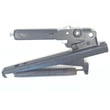
Viking Range Oven Door Hinge
In Stock
$180.66
Qty
Popular maintenance items for Wall Ovens
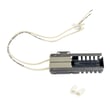
Frigidaire Range Oven Burner Igniter
In Stock
$21.50
22% OFF Phone Price : $27.50
Qty
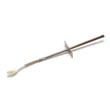
Cooking Appliance Oven Temperature Sensor
In Stock
$21.96
21% OFF Phone Price : $27.96
Qty
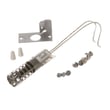
G.e. Kenmore Range Oven Burner Igniter
In Stock
$83.29
7% OFF Phone Price : $89.29
Qty
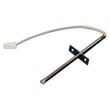
Frigidaire Range Oven Temperature Sensor
In Stock
$47.72
19% OFF Was : $58.60
Qty
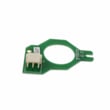
Range Cooling Fan Sensor Board
Part #WB27X28659
This item is not returnable
In Stock
$31.15
16% OFF Phone Price : $37.15
Qty
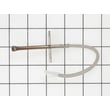
Kenmore Range Oven Temperature Sensor
In Stock
$24.72
20% OFF Phone Price : $30.72
Qty
Troubleshooting common Viking Range wall oven problems
Viking wall ovens are known for strong heat output and premium construction, but their high operating temperatures can stress components over time. These troubleshooting examples highlight symptoms Viking owners often encounter.
Oven heats unevenly or creates hot spots
If the oven browns food too quickly in some areas, the temperature may be inconsistent with your setting. A drifting temperature sensor, failing control board or heat escaping through a compressed door seal can all affect temperature uniformity.
Oven display works but heating never starts
When the display responds normally yet the oven still will not heat, internal relays, a blown thermal fuse or a damaged heating element may be preventing voltage from reaching the oven cavity. Viking models can also experience wiring fatigue due to high heat output.
Convection fan runs loudly or not at all
If convection bake produces inconsistent browning, the fan motor may be slowing down or not engaging at full speed. Reduced airflow often leads to hot and cool spots throughout the oven.
Oven door will not seal tightly
A loose door that leaks heat can cause temperature swings, long cook times and uneven results. Worn hinges or a flattened door gasket may prevent the oven door from sealing properly.
Self-clean cycle will not start or stops early
If self-clean fails to begin or shuts down partway through, overheating may be tripping the thermal switch or the door latch system may not be fully engaging. High heat during self-clean often reveals components that are already weakening.
Commonly replaced Viking Range wall oven parts
Viking wall ovens operate at high temperatures, which makes certain parts more prone to wear over time. These are among the components most often replaced.
- Temperature sensor: Monitors heat levels and signals the control. A weakened sensor causes temperature drift and uneven baking.
- Thermal switch: Opens if overheating occurs. A faulty switch can shut down the oven unexpectedly.
- Door seal: Retains heat inside the oven cavity. A worn seal leads to heat loss and poor temperature performance.
- Oven control board: Directs heating cycles and display functions. A failing board may cause unresponsive controls or erratic temperatures.
- Door hinges: Support smooth door movement and tight sealing. Worn hinges create heat leaks and poor alignment.
Why use Sears PartsDirect for your Viking Range wall oven parts
Sears PartsDirect carries OEM Viking wall oven parts designed to match your model’s original specifications. Detailed diagrams and compatibility tools help you confirm the correct part before ordering. Using genuine Viking components supports accurate temperature control, dependable heating and long-term durability.
Viking Range wall oven FAQs
Why does my Viking oven take longer to preheat than it used to?
Slow preheat times often point to a weakening bake element or inaccurate temperature sensor. Replacing the sensor usually restores proper heat-up performance.
Why does the fan keep running after the oven is turned off?
Viking ovens often use a cooling fan that runs until interior temperatures drop. If the fan runs excessively long, airflow may be restricted or the fan motor may be weakening.
Why does my oven temperature swing too high or too low during cooking?
Drifting temperature sensors, loose wiring or a failing control board can cause unstable temperature control. These issues often lead to inconsistent baking results.
Why is my Viking wall oven making a rattling noise?
Rattling sounds may come from a loose convection fan blade, worn hinges or hardware that has loosened due to high heat cycles.
Why will my oven not start a self-clean cycle?
A self-clean cycle requires the door to latch securely. If the latch motor or switch is not engaging, the oven may prevent the cycle from starting. Replacing the hinges can also improve door alignment.
Parts & More
Bottom-Mount Refrigerator
Dump Cart Attachment
Front-Engine Lawn Tractor
Gas Walk-Behind Mower
Microwave/Hood Combo
Planer
Riding Mowers & Tractors
Table Saw
Water Heater