Error Codes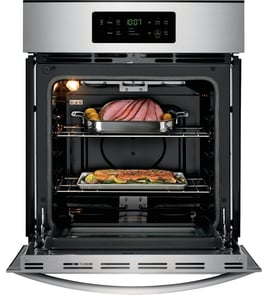




How to reset Viking range?
To reset your Viking VEDO275 electric wall oven, we recommend power-cycling the unit: turn the oven’s circuit breaker OFF for 60 seconds, then turn it back ON. This clears many control glitches after a power surge or a keypad error.
Reset steps (safe, standard method)
- Set the oven controls to OFF.
- Turn the double-oven breaker OFF (typically a 240V breaker).
- Wait 60 seconds.
- Turn the breaker back ON.
- Set the clock, then test Bake on one oven cavity.
If the reset did not fix it
A reset helps when the control is “confused”, but it will not fix a failed part. Check these common causes:
- No heat after reset: likely a heating circuit issue (bake element, relay, wiring).
- Display is blank: possible power supply problem (breaker, terminal block, wiring).
- Beeping or unresponsive keypad: possible touchpad or control board problem.
- Trips breaker when turned on: possible shorted element or damaged wiring.
Quick checks you can do before deeper testing
- Confirm the breaker is fully seated by switching it OFF then ON again.
- Verify both oven doors are fully closed (some models inhibit heat with a door switch issue).
- If the oven is in a timed mode, cancel the timer and reselect a normal Bake cycle.
- If the unit recently lost power, reset the clock and try again.
Basic troubleshooting guide (what the symptom usually means)
| Symptom after reset | Most common direction | What to do next |
|---|---|---|
| No display, no lights | Power supply issue | Check breaker and wiring connections |
| Display works, no heat | Heating circuit issue | Test elements and relays with a meter |
| Breaker trips | Short to ground | Inspect elements and wiring for damage |
| Keypad won’t respond | Control interface issue | Try reset again; then inspect keypad/control |
Why it matters
Resetting restores normal operation after minor electronic faults, but repeated resets usually point to an underlying electrical or control problem. Testing safely with the right tools helps you avoid replacing the wrong component.
For safe electrical testing basics, use our guide: how to use a multimeter to test electrical parts video
Last updated: February 2026
Does Viking make electric ovens?
Yes. Viking makes electric ovens, including electric wall ovens like the Viking VEDO275 electric double oven. If you are shopping parts or planning a repair, the key is matching the exact model number so the control, heating, and wiring components fit and work correctly.
What “electric oven” means for the VEDO275
An electric wall oven heats using electric bake and broil elements controlled by an electronic control system (and often temperature sensors and safety devices).
Common electric-oven components you may service include:
- Bake element and broil element
- Oven temperature sensor (RTD)
- Electronic oven control (clock/control board)
- Door gasket and door hinges
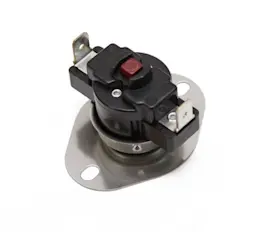
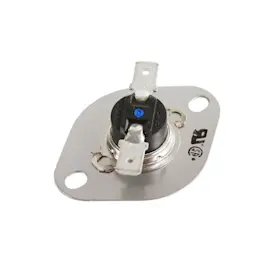
- Thermal fuse or high-limit thermostat
- Wiring harness and terminal connections
Quick checks before ordering parts
We recommend confirming the model tag and the symptom first; it prevents wrong-part returns and speeds up troubleshooting.
- Verify the model number on the appliance data plate is VEDO275
- Identify which cavity is affected (upper, lower, or both)
- Note whether the issue is no heat, uneven baking, error code, or dead display
- Reset power at the breaker for 1 minute (electric wall ovens are typically on a 240V circuit)
- If you suspect an electrical failure, use safe testing practices and reference are diy appliance repairs safe
Symptom-to-part direction (general guidance)
| Symptom | Most common causes | What to test/inspect |
|---|---|---|
| Oven will not heat | Failed element, open thermal fuse, wiring issue | Element continuity, fuse continuity, burned terminals |
| Temperature is off | Sensor out of range, control issue | Sensor resistance check, calibration settings |
| Display dead | No power, control board issue, fuse | Breaker, junction box connections, fuse |
| Trips breaker | Shorted element, pinched wire | Element to ground, harness inspection |
Why it matters
Electric ovens rely on correct voltage, tight wiring connections, and properly matched components. Using the exact Viking VEDO275 model identification helps ensure the replacement part matches the oven’s electrical ratings and mounting style.
Last updated: February 2026
Do wall ovens have to be electric?
No. Wall ovens do not have to be electric; electric wall ovens are most common, but gas wall ovens are also available. For a Viking VEDO275 electric wall oven setup, the appliance is designed to run on household electrical power, so you would replace it with another electric wall oven unless you plan a full fuel conversion.
Electric vs. gas wall ovens: what’s different?
- Power source: Electric uses 240V (typical); gas uses a gas supply plus 120V for controls/ignition.
- Installation changes: Switching fuel types usually requires new wiring or a gas line (sometimes both).
- Cooking performance: Electric often gives steadier baking; gas can add moisture and may broil differently.
- Service parts: Controls, igniters, and safety valves differ between gas and electric designs.
- Home readiness: Many wall-oven cabinets are built around an existing electrical circuit or gas stub.
Quick comparison
| Feature | Electric wall oven | Gas wall oven |
|---|---|---|
| Typical supply | 240V circuit | Gas line + 120V outlet |
| Common strengths | Even baking, strong broil options | Moist heat, fast heat response |
| Common service items | Bake/broil elements, relays, control board | Igniter, gas valve, burner, control board |
If you’re thinking about switching from electric to gas (or vice versa)
- Confirm what utilities are available at the cabinet location (240V circuit, gas line, 120V outlet).
- Measure the cutout and door swing clearance; wall ovens are not one-size-fits-all.
- Plan for permitting and a qualified installer when changing fuel type.
- If you are troubleshooting an electric Viking wall oven, start with safe electrical checks (power supply, wiring, thermal fuse if used).
- Use our DIY basics like are diy appliance repairs safe before testing live circuits or opening panels.
Why it matters
Fuel type drives everything: the required circuit or gas supply, the parts you will service (heating elements vs. igniter and gas valve), and the cost and complexity of installation. Matching your replacement wall oven to the existing hookup usually keeps the project simpler and safer.
Last updated: February 2026