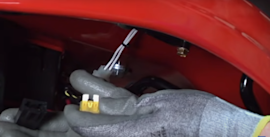
Installation guide
 Owner’s manual
 Error Codes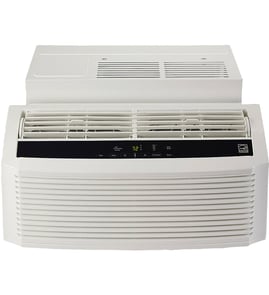



What is the cost of AC in a 12x12 room?
For a 12x12 room (about 144 sq. ft.), the total cost is usually the price of a properly sized window air conditioner plus electricity to run it. With the Kenmore model 25370151012, the best value comes from matching capacity to room size and installing it correctly for efficient cooling.
Typical purchase cost (U.S.)
For most 12x12 rooms, people typically shop in these ranges:
- Window air conditioner: about $200 to $500 (most common choice for a 12x12 room)
- Window air conditioner with heat: about $300 to $700
- Professional installation (optional): about $100 to $300 depending on window type and access
Use the sizing and operating guidance in the 25370151012 owner’s manual to confirm the best settings and airflow practices for efficient cooling.
Typical electricity cost to run (what most customers notice)
Actual cost depends on your electric rate, outdoor heat, insulation, and how low you set the thermostat. A common real-world range for a window unit in a 12x12 room is:
- About $15 to $60 per month during heavy summer use
Quick estimate table
| Usage pattern | Hours/day | Typical monthly cost range |
|---|---|---|
| Light use | 2 to 4 | $5 to $20 |
| Moderate use | 6 to 8 | $15 to $45 |
| Heavy use | 10 to 16 | $30 to $90 |
What affects cost the most
- BTU capacity vs. room size (too small runs constantly; too large short-cycles)
- Sun exposure (north-facing windows often reduce load)
- Airflow restrictions (blocked indoor or outdoor airflow raises run time)
- Dirty air filter (reduces cooling and efficiency)
- Vent control position (open vent can pull in warm air and increase cost)
Why it matters
When capacity fits the room and the unit is installed with proper drainage and airflow, the air conditioner cools faster and cycles normally. That lowers energy use and helps prevent issues like water dripping inside from poor installation angle.
For common display or performance codes that can impact operation and cost, use Kenmore error codes.
Last updated: January 2026
Do mini ACs really cool a room?
Yes, a mini AC can cool a room, but only when its cooling capacity matches the room size and the room is set up to keep heat out. For Kenmore model 25370151012, performance depends heavily on insulation, airflow clearance, and correct operating settings in the 25370151012 owner's manual.
What “really cool” depends on
A small or “mini” air conditioner feels effective when the heat load is low and the unit can move air freely.
- Match capacity to room size; an undersized unit runs constantly and still feels warm
- Keep doors and windows closed while cooling
- Do not block the front grille with furniture, drapes, or blinds
- Keep the outdoor side clear of leaves, dirt, and shrubs
- Use a lower temperature setting than the current room temperature
- Clean the air filter regularly (a dirty filter reduces airflow and cooling)
Quick checks if cooling feels weak
Use these checks before assuming the unit is too small.
| What you notice | Most common cause | What to do |
|---|---|---|
| Runs but room stays warm | Dirty filter or blocked airflow | Clean filter; clear front and rear airflow paths |
| Little cooling and possible icing | Room is below about 60°F | Switch to FAN ONLY to defrost; this type is not designed to cool below about 60°F |
| Cools some, then seems to stop | Energy Saver mode cycling | Use COOL mode for more continuous air circulation |
| Cooling is slow in a larger space | Normal pull-down time | Give it time; reduce heat sources and sun load |
Why it matters
Room air conditioners work best when the room is “sealed” and shaded. The manual guidance for this model emphasizes proper insulation, weather stripping, keeping blinds closed during peak sun, and avoiding airflow restrictions because those factors directly reduce the unit’s workload and improve comfort.
Helpful related guides
- Room air conditioner installation and operation tips
- How to figure out which room air conditioner you need
Last updated: January 2026
Is 7000 BTU enough for a small room?
Yes; 7,000 BTU is the right size for many small rooms, and it can handle some small-medium rooms. If you are shopping for Kenmore model 25370151012 specifically, confirm the unit’s actual BTU rating on the data label and in the 25370151012 owner’s manual so you size the room correctly.
Quick sizing guide (typical)
Start with square footage, then adjust for sun, insulation, and ceiling height.
- Up to ~150 sq ft: 5,000 to 6,000 BTU
- ~150 to 250 sq ft: 6,000 to 7,000 BTU
- ~250 to 300 sq ft: 7,000 to 8,000 BTU
- Over ~300 sq ft: 8,000+ BTU
| Room size | Typical BTU range | 7,000 BTU fit? |
|---|---|---|
| Small (up to ~150 sq ft) | 5,000 to 6,000 | Yes (often cycles more) |
| Small-medium (~150 to 250 sq ft) | 6,000 to 7,000 | Yes |
| Medium (~250 to 300 sq ft) | 7,000 to 8,000 | Sometimes |
When 7,000 BTU will not feel right
These are the most common real-world factors that change sizing:
- Strong afternoon sun or large west-facing windows
- Poor insulation or lots of air leaks
- High ceilings or open floor plans
- Heat sources (kitchen nearby, gaming PC, many occupants)
- Humid climates (you may prefer longer run times for better dehumidification)
If the room is not cooling, check these basics first
The Kenmore troubleshooting guidance focuses on airflow and settings before assuming the BTU size is wrong.
- Clean the air filter and reinstall it correctly
- Make sure the front of the unit is not blocked by furniture or drapes
- Set mode to COOL (Energy Saver can reduce continuous air circulation)
- Verify the temperature setting is below room temperature
- If the room is below 60°F, use FAN ONLY to defrost if icing occurs
Why it matters
Correct BTU sizing helps your room air conditioner cool evenly, control humidity, and avoid long run times (too small) or short cycling and clamminess (too large).
Related help
If your Kenmore displays a fault code while you are troubleshooting cooling performance, use Kenmore error codes.
Last updated: January 2026