Owner’s manual
 View engine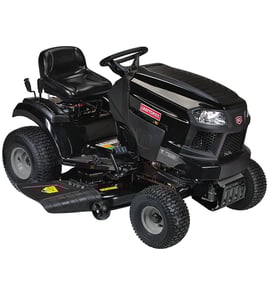


How much does it cost to replace a riding lawn mower engine?
For a Craftsman riding tractor like model 917276825, engine replacement typically runs about $600 to $2,500 total (engine plus labor). The biggest cost drivers are the engine type, whether wiring and fuel system parts transfer over cleanly, and shop labor time.
Typical cost breakdown
- Engine (new or remanufactured): ~$300 to $1,800
- Labor: commonly 4 to 8 hours at local shop rates
- Common add-ons: battery, fuel filter, spark plug, belts, or wiring repairs if needed
- Pickup/delivery: sometimes added by service centers
- DIY vs. shop: DIY can reduce labor cost but still requires safe lifting and correct wiring
| Item | Typical range | Notes |
|---|---|---|
| Engine part | $300 to $1,800 | Varies by horsepower, shaft size, and brand compatibility |
| Labor | $300 to $900 | Often 4 to 8 hours depending on access and rusted fasteners |
| Extra parts/fluids | $25 to $200 | Oil, filter, fuel filter, clamps, hardware |
| Total installed | $600 to $2,500 | Most common real-world range |
What to check before you buy an engine
We recommend confirming these details in the 917276825 owner’s manual before ordering:
- Engine model and shaft diameter/length
- Crankshaft orientation and PTO setup
- Throttle and choke linkage style
- Charging system connector type (stator/regulator)
- Muffler and heat shield clearance
When replacement is the better choice
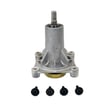
Engine replacement usually makes sense when the tractor is otherwise solid (good transaxle, steering, and deck). If you are also fighting deck vibration or poor cut quality, inspect the mandrel area and blade hardware while the tractor is down; a worn mandrel can contribute to vibration and belt issues. The lawn tractor mandrel shaft assembly 587819701 is a common deck component to evaluate if you have excessive vibration.
Why it matters
A correct engine match prevents hard-starting, charging problems, and premature belt or PTO wear. It also reduces the chance of repeat labor costs from rework.
Last updated: January 2026
Who makes Craftsman push mower engines?
Craftsman push mower engines are typically supplied by major small-engine manufacturers such as Briggs & Stratton, Kohler, and Kawasaki; the exact engine maker depends on the specific mower model and engine family. For your Craftsman lawn tractor model 917276825, the operator information is covered in the 917276825 owner's manual.
How to identify the engine manufacturer on your Craftsman mower
Use the engine’s ID tag, not the mower’s model number.
- Look for an engine label on the blower housing, valve cover, or near the starter
- Record the engine model, type, and code (or serial number)
- Match that engine model to the manufacturer (Briggs & Stratton, Kohler, Kawasaki, etc.)
- Use the engine model when ordering tune-up parts like spark plugs, air filters, and fuel filters
- If the label is missing, check the engine shroud stamping or the emissions label
What we can say for model 917276825 (lawn tractor)
The documentation for Craftsman model 917276825 describes a 20.0 HP, 42-inch deck lawn tractor and provides operating and safety guidance, but engine branding can vary by production run. The most reliable way to confirm the engine maker is the engine model tag.
Quick comparison: mower model vs. engine model
| What you’re checking | Where to find it | What it tells you |
|---|---|---|
| Mower/tractor model (917276825) | Frame tag under seat or on chassis | Which tractor parts fit (deck, steering, chassis) |
| Engine model/type/code | Engine label on the engine itself | Who made the engine and which engine parts fit |
Why it matters
Engine parts are matched to the engine manufacturer and engine model, while chassis and deck parts are matched to the tractor model number. Using the right identifier prevents wrong-part returns and speeds up repairs.
Last updated: January 2026
Is it worth replacing a lawn mower engine?
Replacing the engine on your Craftsman 917276825 front-engine lawn tractor is worth it when the tractor is otherwise in solid shape and you are fixing a true engine failure; if the repair total approaches about half the cost of a comparable replacement tractor, putting that money toward a new machine is the better value.
Quick decision checklist
- The deck, chassis, steering, and transaxle are in good condition (no major cracks, severe rust-through, or chronic failures).
- You want to keep the same 42-in deck setup and attachments.
- The engine problem is confirmed (low compression, thrown rod, severe smoking, or internal knock).
- You can do the swap yourself or have affordable labor available.
- You are not also facing major drivetrain or deck rebuild costs at the same time.
Cost and value guide (typical)
| Scenario | Typical outcome | Recommendation |
|---|---|---|
| Engine replacement only, tractor otherwise strong | Restores years of service | Replace engine |
| Engine plus multiple major systems worn (deck spindles, steering, transaxle) | Costs stack up fast | Replace tractor |
| Starting or power issue caused by maintenance items | Engine is usually fine | Repair and tune up |
Before you commit: rule out common “engine” problems
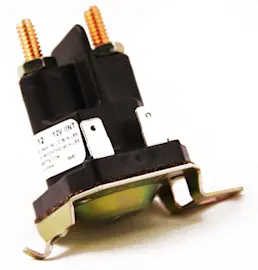
Many tractors that seem to need an engine actually have a starting, fuel, or maintenance issue. The troubleshooting chart in the 917276825 owner’s manual points to common fixes such as recharging/replacing the battery, cleaning terminals, checking wiring, and checking or replacing the solenoid or starter.
- Battery weak or cables corroded (slow crank or clicking)
- Blown fuse or loose wiring
- Faulty ignition switch or starter solenoid
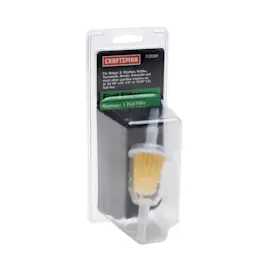
- Stale fuel, dirty fuel filter, or water in fuel
- Dirty air filter, low oil, or fouled spark plug
If the engine cranks but runs poorly, a tune-up often restores power faster than an engine swap; use the how to tune up a riding lawn mower video as a step-by-step baseline.
Why it matters
An engine swap can be a smart investment, but only when it prevents repeat repairs. Confirming the real cause (electrical, fuel, or internal engine damage) keeps you from spending engine money on a problem that a battery, solenoid, or tune-up would fix.
Last updated: January 2026
What engine does Craftsman riding mower use?
The Craftsman riding mower model 917276825 uses a low-emission gasoline engine; the operator’s manual for this tractor series identifies it as a 20.0 HP lawn tractor with a 42-inch mower deck. For the exact engine make and model (Briggs & Stratton, Kohler, etc.), match the engine ID label on your engine to the specifications in the 917276825 owner's manual.
How to identify the exact engine on your 917276825
Use these quick checks to confirm the engine manufacturer and model without guessing:
- Look for the engine ID label on the blower housing, valve cover, or near the starter
- Record the model, type, and code (common on Briggs & Stratton engines)
- Compare the label info to the specifications/maintenance section in the manual
- If the label is dirty, wipe it gently; avoid spraying water directly into electrical areas
- Use the engine ID when ordering tune-up parts (spark plug, air filter, fuel filter)
What we can say from the manual (and what it means)
The documentation for this Craftsman tractor family calls out the tractor as a 20.0 HP, 42-inch mower with electric start and automatic transmission. That tells you the power class and deck size, but the engine brand can vary by production run.
| Item | What you can confirm | Where to confirm it |
|---|---|---|
| Horsepower class | 20.0 HP | Manual cover/spec section |
| Deck size | 42-inch | Deck label and manual |
| Engine make/model | Varies by build | Engine ID label |
Why it matters
Using the engine’s exact ID prevents ordering the wrong maintenance parts and helps with troubleshooting issues like hard starting, clicking/no-crank, or poor cutting performance.
If you are also chasing vibration or uneven cutting, inspect the deck hardware and mandrel area; a worn mandrel can contribute to vibration and blade issues. The lawn tractor mandrel shaft assembly 587819701 is one of the deck components commonly replaced when the mandrel is damaged.
Last updated: January 2026