Owner’s manual



How to check the belt on a Samsung front load washer?
The Samsung WA50F9A7DSP is a top-load washer, so it does not use the same external drive belt setup found on many front-load models. If you are troubleshooting a no-spin or weak-agitation issue on this model, we focus on the direct-drive components and drain system checks outlined in the WA50F9A7DSP owner's manual.
Before opening the cabinet, we rule out the most common causes of slipping, slow spin, or no movement.
- Unplug the washer for safety, then retry a cycle after restoring power.
- Confirm the load is not overloaded or badly unbalanced (one heavy item can stop spin).
- Check that the lid closes fully and the lock engages.
- Listen for draining; if water stays in the tub, the washer often will not spin.
- Look for error codes on the display and match them to the correct Samsung top-load list.
On WA50F9A7DSP, these parts and systems take the place of a belt-and-pulley drive.
| Symptom | What to check first | Common next step |
|---|---|---|
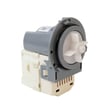
| Won’t drain, won’t spin | Drain path and pump operation | Inspect/replace the washer drain pump DC31-00054D |
| Fills slowly or won’t fill | Water supply and inlet screens | Inspect/replace the Samsung Washer Water Inlet Valve DC97-15459G |
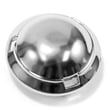
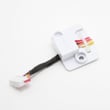
| No/weak agitation or spin | Drive system feedback | Inspect the washer motor rotor position sensor DC31-00098A |
| Shakes or stops during spin | Leveling and load balance | Check leveling legs and run a calibration routine |
Front-load belt checks usually target a loose, worn, or broken belt. On this Samsung top-load design, similar symptoms are more often caused by draining problems, lid lock issues, load balance, or a direct-drive sensing/drive component, so the right diagnosis saves time and avoids unnecessary parts.
Last updated: February 2026
How to fix E2 error in Samsung washing machine?
On the Samsung WA50F9A7DSP washer, “E2” is most often a display misread of a different Samsung error code. The fastest fix is to reset power, then confirm the exact characters on the display and follow the matching troubleshooting steps in the WA50F9A7DSP owner's manual.
- Press Power to turn the washer off.
- Unplug the washer (or switch off the breaker) for 2 minutes.
- Restore power and start a Rinse/Spin cycle.
- Watch the display closely and write the code exactly as shown.
- If it flashes, record a short video so you can replay it.
Many Samsung washer codes can look similar at a glance. Use this quick guide to choose the right first checks.
| Code you may actually have | What it usually means | What to check first |
|---|---|---|
| ND | Not draining | Drain hose kink/height, pump area restriction, slow drain |
| NF | Not filling | Supply valves open, inlet screens clear, hoses not kinked |
| UE | Unbalanced load | Redistribute load, reduce bulky items, level the washer |
- Make sure the drain hose is not kinked or crushed.
- Confirm the standpipe or laundry tub is not clogged.
- Listen for the drain pump; a steady hum with little or no draining points to a blockage or failing pump.
- If the washer will not drain consistently, replace the washer drain pump DC31-00054D.
Using the correct error code prevents wasted time and wrong-part replacements. Once you confirm the exact code, you can target the right system (drain, fill, or balance) and restore normal washing faster.
Last updated: February 2026
Is the Samsung 4.5 front load washer any good?
The Samsung WA50F9A7DSP is a top load washer model; overall, Samsung washers in this size class are a solid choice when you want strong cleaning and modern features, as long as the unit is installed level and you keep up with basic maintenance. For cycle options, capacity, and care steps specific to your washer, use the WA50F9A7DSP user manual.
Most owners judge a washer by cleaning results, noise, vibration, and reliability. For the WA50F9A7DSP, the biggest difference-maker is setup and upkeep.
- Cleans best when loads are sorted and not overpacked
- Spins smoother when the cabinet is level and all legs are firmly on the floor
- Performs more consistently when water supply flow is strong and hoses are not kinked
- Stays fresher when you leave the lid open between loads and run periodic cleaning cycles
- Avoids many “won’t drain” complaints when pockets are checked (coins, pins) before washing
| What you’ll likely like | What to watch for |
|---|---|
| Large capacity for family loads | Vibration if the washer is not level or loads are unbalanced |
| Good cleaning with correct cycle and detergent amount | Drain issues if debris reaches the pump |
| Convenient cycle selections and controls | Fill problems if inlet screens clog or water pressure is low |
These are the most common “not good” causes that are fixable without major repair:
- Re-level the washer; confirm all four legs are stable (a worn leg can be replaced with washer leveling leg DC61-01722B)
- Reduce load size and balance heavy items (blankets, jeans) evenly
- Verify hot and cold faucets are fully open; clean inlet screens if filling is slow
- If it will not drain or drains slowly, inspect for clogs; a failing pump may need replacement (common options include washer drain pump DC31-00054D)
A washer can seem “bad” when the real issue is installation, load balance, or restricted water flow. Fixing those basics protects the motor, drain system, and control board, and it improves cleaning and spin performance.
Last updated: February 2026
What is the capacity of the Samsung WA50F9A7DSP?
The Samsung WA50F9A7DSP washer has a 5.0 cu. ft. tub capacity, which is considered a large-capacity top-load washer. For cycle-by-cycle loading guidance (bulky, bedding, deep fill), we recommend checking the capacity and load-size notes in the WA50F9A7DSP owner's manual.
A 5.0 cu. ft. washer is designed to handle larger items and fewer total loads per week when you load it correctly.
- Wash bulky items (like comforters) one at a time to keep the basket balanced
- Load loosely; don’t pack clothes down
- Keep items below the top of the wash basket so water and detergent can circulate
- Mix large and small items to reduce out-of-balance spinning
- Use the correct soil level and water level options for the fabric type
These are common, practical examples for a 5.0 cu. ft. top-load washer.
| Load type | Typical fit in 5.0 cu. ft. | Best practice |
|---|---|---|
| Everyday mixed laundry | Large single load | Don’t compress; distribute evenly |
| King/queen comforter | Often fits (material dependent) | Wash 1 item; use bulky/bedding cycle |
| Towels/jeans | Large load | Mix sizes; avoid all-heavy loads |
| Small delicate loads | Fits easily | Use a mesh bag; select gentle cycle |
Capacity affects cleaning and spin performance. Overloading can cause poor rinsing, vibration, longer cycle times, and out-of-balance errors. Loading to match the washer’s 5.0 cu. ft. design helps protect components like the suspension and vibration sensing system.
Last updated: February 2026
What is the capacity of the Samsung WA50F9A7DSP?
The Samsung WA50F9A7DSP washer has a 5.0 cu. ft. capacity, which is considered a large-capacity top-load washer size for handling bulky loads like comforters and towels. For cycle-specific load guidance, use the WA50F9A7DSP owner's manual.
A 5.0 cu. ft. washer tub is designed to wash larger loads efficiently, but performance still depends on fabric type, soil level, and cycle selection.
- Fits larger mixed loads (jeans, sweatshirts, towels) without overpacking
- Handles bulky items better when you choose the right cycle and water level
- Cleans best when items can tumble and circulate (not tightly packed)
- Helps reduce the number of loads per week for many households
Use these habits to get the most cleaning and spinning performance from a large-capacity Samsung top-load washer:
- Load loosely to about 3/4 full for most everyday cycles
- Keep heavy items balanced (pair towels, distribute jeans evenly)
- Wash bulky items one at a time or with a few small items for balance
- Avoid compressing laundry down into the wash basket
- Use HE detergent and measure carefully to prevent oversudsing
| Item type | Typical fit in a 5.0 cu. ft. top-load washer | Tip |
|---|---|---|
| Towels | Large load | Balance evenly for a smooth spin |
| Bedding | Most comforters/blankets | Use bulky/bedding cycle if available |
| Jeans | Large mixed load | Don’t wrap items around the washplate |
| Delicates | Medium load | Use mesh bags and lower spin when possible |
Capacity affects how much you can wash at once, but correct loading is what prevents out-of-balance spinning, poor rinsing, and extra wear on parts like the suspension and drive system.
Last updated: February 2026
What is the lifespan of a Samsung front load washer?
A Samsung front load washer typically lasts 10 to 15 years with normal household use. For your Samsung WA50F9A7DSP, lifespan depends most on load size, detergent choice (HE), and routine cleaning; follow the maintenance schedule in the WA50F9A7DSP owner’s manual.
- Overloading (stresses the drive system, suspension, and tub)
- Too much detergent (causes residue, odors, and extra strain during rinsing)
- Poor leveling (increases vibration and wear; check feet and floor)
- Hard water (buildup can affect valves and wash performance)
- Drain issues (slow draining makes the pump work harder and longer)
- Run a monthly tub-clean cycle (or hottest empty cycle if you do not use tub-clean).
- Leave the door/lid open between loads to reduce moisture and odor.
- Use HE detergent and measure carefully.
- Check pockets for coins, screws, and hairpins.
- Confirm the washer is level; re-check after moving or flooring changes.
| Symptom | Most likely system | Why it matters |
|---|---|---|
| Won’t drain, long drain times | Drain pump and hoses | Prevents proper spin and can shorten pump life |
| Won’t fill or fills slowly | Water inlet valve | Causes cycle errors and poor cleaning |
| Excess vibration or “walking” | Leveling and suspension | Accelerates wear on multiple components |
If you’re seeing slow or no draining, the washer drain pump DC31-00054D is a common fix for drain-related failures on washers like this.
A washer that is kept clean, level, and not overloaded runs cooler and with less vibration; that reduces stress on the motor, bearings, pump, and control system, which is what pushes lifespan toward the 15-year end of the range.
Last updated: February 2026
What is the most common problem with Samsung washing machines?
For Samsung washers like model WA50F9A7DSP, the most common issues we see are spin problems (shaking, off-balance, not spinning) and drain problems (won’t drain, stops mid-cycle). Many cases are caused by load size, leveling, or a restricted drain path; some point to a failing pump, sensor, or control.
- Excessive vibration or “walking”: washer not level, load not distributed, weak suspension, or a vibration sensing issue
- Won’t drain or drains slowly: kinked hose, clogged hose/tub-to-pump path, or a failing drain pump
- Stops mid-cycle: drain issue, lid lock not confirming closed, or control sensing an out-of-balance condition
- Won’t fill or fills slowly: water supply valves closed, inlet screens clogged, or inlet valve problem
- Error codes: often point you directly to imbalance, drain, or fill faults (use the code list to narrow it down)
- Redistribute the load (especially bulky items) and try a Spin/Drain cycle.
- Level the washer: adjust legs so all corners are solid on the floor.
- Check the drain setup: make sure the standpipe is not blocked and the hose is not kinked.
- Power reset: unplug for 2 minutes, then restart.
- Use the model’s procedures in the WA50F9A7DSP manual for diagnostics and cycle guidance.
| Problem you notice | Most likely area | Example part that can be involved |
|---|---|---|
| Won’t drain, humming, water left in tub | Drain system | Washer drain pump DC31-00054D |
| Intermittent drain, leaks at pump area | Pump housing/assembly | Washer drain pump assembly dc97-19289f |
| Won’t fill or fills very slowly | Water inlet | Samsung washer water inlet valve DC97-15459G |
| Shaking, balance-related stops | Balance sensing | Washer vibration sensor DC93-00278B |
Spin and drain problems are the issues most likely to stop a cycle completely and leave clothes soaking wet. Catching a restricted hose, leveling problem, or a weakening drain pump early helps prevent repeat shutdowns and reduces strain on the motor and control.
For code-based troubleshooting, we use Samsung top load washer error codes to match the displayed code to the most likely cause.
Last updated: February 2026