Installation guide
 Owner’s manual


How do I get my Kenmore Elite dishwasher out of lock mode?
To take your Kenmore Elite dishwasher model 66514793N510 out of lock mode, press and hold TOP RACK ONLY for 3 seconds until the Locked light turns off. If the keypad will not respond, wake the control first, then repeat the 3-second hold (see the 66514793N510 owner's manual).
Unlock steps (Control Lock)
- Press START/RESUME or CANCEL/DRAIN once to wake the control (Sleep Mode can prevent unlocking).
- If needed, open and close the door to wake the control.
- Press and hold TOP RACK ONLY for 3 seconds.
- Confirm the Locked indicator turns Off.
- Try starting a cycle; the dishwasher will not start while Control Lock is on.
What to expect when it is locked
When Control Lock is active on 66514793N510:
- The Locked light stays on.
- Most buttons are disabled.
- If you press a pad, the light may flash to indicate the controls are locked.
- The door can still open and close normally.
Quick reference
| Control state | What you see | What to do |
|---|---|---|
| Locked | Locked light on; buttons do not work | Hold TOP RACK ONLY 3 seconds |
| Asleep (Sleep Mode) | Buttons seem unresponsive | Press START/RESUME or CANCEL/DRAIN, or open/close door |
| Unlocked | Locked light off | Select cycle and press START/RESUME |
Why it matters
Control Lock prevents unintended button presses between cycles. If the dishwasher is stuck in lock mode, it will look like it has power but it will not start a wash cycle until the lock is turned off.
Last updated: February 2026
How to force a Kenmore dishwasher to drain?
To force-drain your Kenmore Elite dishwasher model 66514793N510, press and hold CANCEL/DRAIN until the Cancel/Drain light turns on, then close the door; the dishwasher runs a drain cycle (about 2 minutes) if water is in the bottom. See the exact steps in the 66514793N510 owner's manual.
Fast steps to force a drain
- Open the door slightly to pause the cycle.
- Wait for spraying to stop, then open the door fully.
- Press and hold CANCEL/DRAIN until the Cancel/Drain light turns on.
- Close the door to start draining.
- Let it run until the light turns off (about 2 minutes).
If it still will not drain
These checks fix most “not draining” complaints on 665-series dishwashers.
- Drain hose routing: Make sure the drain hose connection is made before the drain trap and the hose loops up at least 20 inches above the floor.
- Garbage disposer plug: If you connected to a disposer, confirm the disposer inlet knockout plug was removed.
- Air gap (if installed): Clean the air gap cap and check for debris buildup.
- Standing water after drain: Check for a kinked hose or a clogged sink/disposer connection.
- Weak or no drain sound: The drain pump may be jammed or failing; the dishwasher drain pump WPW10531320 is the model-matched replacement.
Quick symptom guide
| What you see | Most likely cause | What to do first |
|---|---|---|
| Hums but little water leaves | Partial blockage in hose or disposer inlet | Clear hose path; check disposer plug |
| No drain sound at all | Drain pump issue or control not entering drain | Run CANCEL/DRAIN again; inspect pump area |
| Drains slowly | High loop missing or hose kink | Re-route hose; add high loop |
Why it matters
Forcing a drain clears dirty water so the next wash starts correctly and helps prevent odors, poor cleaning, and water backing up into the tub.
Last updated: February 2026
Is Kenmore Elite high end?
Yes. Kenmore Elite is Kenmore’s high-end line; for the 66514793N510 Kenmore Elite dishwasher, that typically means more premium features and quieter, more refined design than standard Kenmore models, while still aiming for strong value compared with luxury-only brands.
What “high end” means for Kenmore Elite dishwashers
Kenmore Elite models are positioned above Kenmore and Kenmore Pro in features and finish. For your dishwasher, use the 66514793N510 owner’s manual to confirm which options your exact model includes.
Common “Elite” upgrades include:
- Quieter operation (more insulation and sound control)
- More wash options and cycle customization
- Better drying performance (often with a heating element and improved airflow)
- More flexible racks (adjusters, rollers, and loading features)
- More stainless or premium-looking interior and exterior styling
How to judge if your specific model is “high end” in real-world use
We recommend comparing your 66514793N510 to current midrange dishwashers using the same basics: cleaning, drying, noise, and rack flexibility.
- Cleaning: consistent soil removal on normal and heavy loads
- Drying: plastics and mixed loads dry without pooling
- Noise: you can run it during meals without distraction
- Racks: smooth glide and stable height adjustment
- Reliability: fewer leaks, drain issues, and latch problems over time
Quick comparison: where Kenmore Elite usually sits
| Tier | Typical focus | What you usually get |
|---|---|---|
| Entry | Price | Basic cycles, louder operation |
| Midrange | Value + features | Better racks, improved drying |
| Kenmore Elite | Premium value | More features, quieter design, upgraded fit/finish |
| Luxury | Brand prestige | Top-tier quiet, premium materials, higher cost |
Why it matters
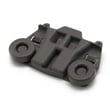
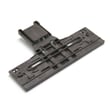
“High end” affects expectations for noise level, drying results, and rack performance. If your racks are hard to roll or don’t adjust smoothly, replacing wear items like the dishwasher dishrack adjuster WPW10546503 can restore the premium feel without replacing the whole dishwasher.
Last updated: February 2026
What are the dimensions of a Kenmore dishwasher model 66514793N510?
For Kenmore Elite dishwasher model 66514793N510, the installation opening is built around a standard 24-inch class dishwasher: plan on about 24 inches deep (not including any custom panel), with an adjustable installed height that typically fits about 33 1/2 to 34 1/2 inches under the countertop. For the exact fit points, use the 66514793N510 installation guide.
Key measurements to plan for
These are the dimensions that matter most when you are measuring cabinets and clearances for model 66514793N510:
- Depth: 24 inches (panel-ready depth can change with a custom door panel)
- Cabinet opening height range: about 33 1/2 to 34 1/2 inches (adjustable with wheels and front legs)
- Toe-kick clearance: typically about 3 1/2 to 4 1/4 inches depending on setup
- Handle clearance: door handles can protrude forward; amount varies by model
- Utility routing space: keep drain, water, and wiring away from the motor and leveling legs
Height adjustment range (what changes the height)
The installation instructions include a height adjustment chart that shows how wheel position, front leg height, and the insulation blanket affect fit.
| Cabinet opening height | What you typically adjust | What to expect |
|---|---|---|
| 33 1/2 in | Remove rear wheels; cut/remove perforated insulation section | Tightest fit; harder to slide in |
| 34 to 34 1/2 in | Use normal wheel positions and front leg adjustment | Most common install range |
Why it matters
Dishwashers are designed to fit tightly under the countertop. If the opening is too short, the unit can bind during installation; if it is too tall, the dishwasher may not anchor securely and can shift when you open the door.
Tips before you measure
- Measure from the lowest point under the countertop to the highest point on the floor in the opening.
- Check for protrusions (screws, brackets, plumbing) that can block the tub or insulation.
- If your kitchen floor is higher than the opening floor (tile stops at the cabinet line), plan on shims so the dishwasher sits correctly.
For operating clearances and feature layout, we also recommend the 66514793N510 owner's manual.
Last updated: February 2026
What is the lifespan of a Kenmore Elite dishwasher?
A Kenmore Elite dishwasher typically lasts 10 years with normal household use. For the Kenmore Elite 66514793N510, consistent cleaning, proper loading, and routine maintenance (filters, spray arms, and seals) are what most directly determine whether you reach that 10-year mark.
Typical lifespan and what affects it
Most dishwashers fall into a similar life range, but real-world lifespan depends on usage and care.
- Loads per week: more cycles equals more wear on the motor, pump, and heater
- Water quality: hard water speeds up mineral buildup and can reduce cleaning and drying performance
- Detergent and rinse aid use: correct products reduce residue and help drying
- Maintenance habits: cleaning the filter area and checking spray arms prevents strain on the circulation system
- Small leaks: even minor seepage can damage components over time
Maintenance checklist that helps you hit 10 years
Use these habits to reduce wear on key parts like the circulation system, drain system, and heating circuit.
- Clean the filtration area regularly (remove debris before it recirculates)
- Run hot water at the sink before starting a cycle so the dishwasher fills with hotter water sooner
- Use rinse aid to improve drying and reduce spotting (especially with hard water)
- Inspect racks and rollers; replace worn rollers to prevent rack binding (example: dishwasher dishrack roller assembly, lower WPW10195417)
- Watch for slow draining or standing water; address it early to protect the pump
Quick guide: what usually fails first
| Component area | Common symptom | Typical fix |
|---|---|---|
| Drain system | Water left in tub | Clear blockage, check drain hose, replace drain pump if needed |
| Wash circulation | Poor cleaning, weak spray | Clean spray arms, check sump, service motor/pump |
| Heating and drying | Dishes wet, no heat | Verify settings, check heater circuit, test heating element |
| Door sealing/latching | Leaks, won’t start | Inspect seal, confirm door latches firmly |
Why it matters
A dishwasher that is maintained tends to run more efficiently and avoids “cascade failures” where a clog or buildup forces the pump and motor to work harder. Your model is designed for energy efficiency and can run longer cycles (often 2 to 3 hours, and sometimes longer with options), so keeping the wash system clean is especially important for long-term reliability.
For model-specific operating and care guidance, follow the 66514793N510 use and care guide.
Last updated: February 2026
What is the service code f4e1 on a Kenmore Elite dishwasher?
On the Kenmore Elite dishwasher model 66514793N510, the F4E1 service code points to a wash motor or wash system problem (the dishwasher is not circulating water correctly). We focus first on restoring proper wash circulation, then clearing the code per the steps in the 66514793N510 owner's manual.
What to check first (fast, high-success steps)
- Cancel and restart the cycle; then press Start/Resume with the door fully closed.
- Confirm the water supply valve under the sink is fully open.
- Make sure the float inside the tub moves freely (a stuck float can affect filling and washing).
- Check that spray arms spin freely and are not blocked by tall items.
- Clean the filters and sump area; debris can reduce circulation.
- Verify household hot water is at 120°F (49°C); low temp can cause poor performance and repeated faults.
Parts that commonly relate to F4E1 symptoms
If the dishwasher fills but does not wash well (weak spray, dishes stay dirty, unusual humming), these parts are common suspects:
| Symptom you notice | Most likely area | Example model-matched part to consider |
|---|---|---|
| Fills, then little or no spraying | Wash circulation / motor system | Sump/motor a WPW10554963 |
| Drains unexpectedly or won’t clear water | Drain system | Dishwasher drain pump WPW10531320 |
| Poor wash coverage, one rack not cleaning | Water routing / spray | Dishwasher diverter motor W10537869 |
Clearing the code after a repair
After correcting the underlying wash issue (for example, replacing a failed motor assembly), clear the stored fault using the keypad sequence described in the 66514793N510 owner's manual. This ensures the control can run a fresh diagnostic and won’t keep reporting an old failure.
Why it matters
F4E1 is a circulation-related fault; continuing to run the dishwasher can lead to poor cleaning, longer cycles, and repeated stopping or draining. Fixing the wash system early helps protect the pump and improves day-to-day performance.
Last updated: February 2026