Installation guide
 Owner’s manual


What is the capacity of the Whirlpool WGD92HEFW0?
The Whirlpool WGD92HEFW0 gas front-loading dryer has a 7.0 cu. ft. capacity, which is considered a large-capacity drum for everyday family loads. For cycle and load-size guidance that matches this drum size, use the WGD92HEFW0 owner's manual.
A 7.0 cu. ft. dryer typically handles:
- A full mixed load from a standard washer
- Bulky items like a comforter (depending on fill and fabric)
- Multiple towels or a week of light clothing
Overloading reduces airflow and can cause long dry times, even with a large drum.
- Fill the drum loosely; items should tumble freely
- Mix similar fabrics and weights (heavy towels separate from lightweight shirts)
- Clean the lint screen before every load
- Use timed dry for very small loads that can confuse moisture sensing
- If loads take longer than normal, check venting and airflow first
| What you notice | Common cause | What to do |
|---|---|---|
| Long dry times | Restricted venting or heavy load | Reduce load size; inspect vent path |
| Clothes still damp on sensor cycles | Mixed fabric weights | Sort loads; try a different dryness level |
| Thumping or squealing while tumbling | Worn drum support parts | Inspect rollers and idler components |
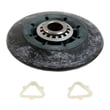
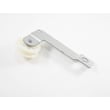
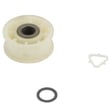
If you are also hearing noise while drying, the dryer drum support roller WPW10314173 and dryer idler pulley W10837240 are common wear items on this model’s drum drive system.
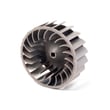
Matching load size to a 7.0 cu. ft. drum helps maintain proper airflow across the burner heat and through the blower wheel and venting. That improves drying speed, reduces wrinkles, and helps prevent overheating conditions that can trip safety devices.
Last updated: January 2026
What is the life expectancy of a whirlpool duet dryer?
A Whirlpool Duet-style dryer like model WGD92HEFW0 typically lasts about 10 to 15 years with normal household use. Consistent vent cleaning, avoiding overloads, and fixing small issues early (noise, long dry times, heat problems) helps you reach the upper end of that range.
- Vent restriction (long dry times, overheating, repeated thermal fuse trips)
- Load size and frequency (heavy daily use shortens life)
- Heat system health (gas ignition and flame stability)
- Drum support wear (rollers, idler pulley, belt)
- Moisture and lint buildup inside the cabinet
- Clean the lint screen every load.
- Check airflow at the exterior vent hood; it should be strong and steady.
- Clean the full vent run periodically (more often with long ducts or pets).
- Keep the dryer level to reduce drum and roller wear.
- Stop using the dryer if you smell gas; shut off the gas supply and have it checked.
| Symptom | What it often points to | Example part for WGD92HEFW0 |
|---|---|---|
| Thumping, rumbling, squealing | Drum support wear | Dryer drum support roller WPW10314173 |
| High-pitched squeal, drum not turning smoothly | Belt tension system wear | Dryer idler pulley W10837240 |
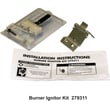
| Runs but no heat or heat cuts out | Gas ignition or safety components | Igniter 279311, thermal fuse W10909685 |
A dryer that is overheating or taking too long to dry usually costs more to run and can damage clothing. Addressing airflow and replacing common wear parts on time often extends the usable life of a Whirlpool gas front-loading dryer.
For model-specific care and cleaning intervals, follow the WGD92HEFW0 owner's manual.
Last updated: January 2026
What are common problems with Whirlpool Duet steam dryers?
Whirlpool Duet steam dryers like model WGD92HEFW0 most often have drying performance issues (long dry times, damp loads), steam feature problems (no steam or steam running at the wrong time), and “won’t start” symptoms caused by airflow restrictions, sensor issues, or failed heating and safety components. See the WGD92HEFW0 owner's manual for cycle and steam feature specifics.
- Clothes not drying fully / long dry times: restricted venting, lint buildup, weak airflow, or a failing temperature sensor.
- Dryer runs but heat is inconsistent: gas ignition system issues (igniter or flame sensing), or gas valve coil problems.
- Steam function not working or acting erratically: mineral buildup in the steam water path, or a steam-related valve/solenoid issue.
- Dryer will not start: door not fully closed, control settings, or a blown safety fuse.
- Overheating or shutting off mid-cycle: blocked exhaust, or a safety device opening due to high temperature.
- Clean the lint screen and confirm strong airflow at the exterior vent hood.
- Inspect the vent run for kinks, crushed flex duct, or heavy lint buildup.
- Run a timed dry cycle to compare performance versus sensor-based cycles.
- If you use steam, check your water supply valve is fully open and the hose is not kinked.
- If the dryer tumbles but does not heat, focus on the ignition and gas valve components.
| Symptom | Common part to check | What it affects |
|---|---|---|
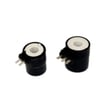
| No heat or heat cuts in and out | Dryer valve coil kit 279834 | Opens gas valve during heating |
| No ignition | Igniter 279311 | Lights the burner |
| Overheats, then stops heating | Thermal fuse W10909685 | Safety shutoff when temps get too high |
| Poor temperature control | Dryer thermistor WP8577274 | Senses exhaust temperature |
Steam and sensor cycles depend on accurate temperature and moisture feedback plus proper airflow. When venting is restricted, the dryer can overheat, trip safety fuses, and still leave clothes damp, even if the drum tumbles normally.
Last updated: January 2026