Owner’s manual
 Error Codes



What is the average lifespan of a Kenmore Elite refrigerator?
Most Kenmore Elite refrigerators average 10 to 15 years of service life. For the Kenmore Elite side-by-side refrigerator model 10656702500, lifespan depends most on basic care (cleaning, good door sealing, stable temperatures) and avoiding long periods of poor airflow around the cabinet.
Typical lifespan and what affects it
A refrigerator’s life is usually limited by sealed-system wear (compressor and refrigerant components), defrost-system reliability, and door sealing.
- 10 to 15 years is the typical range for a full-size refrigerator
- 15+ years is common when condenser coils stay clean and doors seal tightly
- Heavy use, warm rooms, and clogged coils can shorten life
- Ice maker and water system issues are common “mid-life” repairs
- Defrost problems can cause icing and warm temperatures if not corrected
Maintenance that helps you reach the high end of the range
We recommend following the care and cleaning guidance in the 10656702500 owner's manual.
- Clean the condenser area regularly (dust and pet hair restrict airflow)
- Keep door gaskets clean so the doors seal without gaps
- Set stable temperatures and avoid frequent large adjustments
- Replace the water filter on schedule to protect water flow and taste
- Address frost buildup early (often tied to defrost components)
Quick “repair vs. replace” guide
| Situation | What it usually means | Practical next step |
|---|---|---|
| Runs constantly, cabinet feels hot on sides | Airflow or dirty condenser area | Clean coils and confirm clearances |
| Frost buildup, warm freezer or fridge | Defrost system issue | Check defrost heater and defrost bi-metal |
| No ice or slow ice production | Ice maker or water supply issue | Inspect fill tube, valve, and ice maker |
| Water tastes off or flow is weak | Filter restriction | Replace the water filter |
Why it matters
Knowing the typical lifespan helps you plan: smaller repairs (like an ice maker or water filter) often make sense in years 1 to 10, while major sealed-system repairs can be harder to justify as the unit approaches the 10 to 15 year mark.
Related parts for common mid-life maintenance
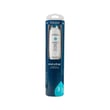
- Genuine Kenmore refrigerator water filter EDR3RXD1 (water quality and flow)
- Refrigerator ice maker 2198597 (ice production issues)
Last updated: January 2026
How many cubic feet is my Kenmore Elite refrigerator?
For Kenmore Elite model 10656702500, the exact cubic-foot capacity is listed on the model’s rating label and in the specifications section of the 10656702500 owner's manual. Most Kenmore Elite side-by-side refrigerators of this design are typically in the mid-20s cubic-foot range.
How to find the exact capacity for model 10656702500
Check these common places first:
- Inside the fresh food compartment on the side wall near the crisper drawers
- On the ceiling of the refrigerator compartment near the light housing
- Behind the toe grille (base grille) area
- On the back exterior panel near the power cord
If you find the rating label, look for wording like “Total capacity”, “Total volume”, or a cubic-foot value.
Quick reference: what you may see on the label
| Label wording | What it means | What to record |
|---|---|---|
| Total capacity | Combined refrigerator + freezer space | Total cu. ft. |
| Refrigerator capacity | Fresh food section only | Refrigerator cu. ft. |
| Freezer capacity | Freezer section only | Freezer cu. ft. |
Why it matters
Capacity helps us match the right parts and accessories for your refrigerator, including the correct water filter style and storage components. For example, this model uses a base grille water filter system that commonly pairs with the genuine Kenmore refrigerator water filter EDR3RXD1.
Helpful tip while you are checking labels
If you are already working near the base grille, it is a good time to confirm your filter type and replacement interval. The manual also covers the water filtration system and filter status light.
Last updated: January 2026
What are the common problems with Kenmore Elite refrigerators?
Common problems on the Kenmore Elite 10656702500 side-by-side refrigerator include weak or warm cooling, frost buildup, ice maker or dispenser issues, and “new” operating noises. Many fixes are basic maintenance (airflow, cleaning, filter changes), while defrost or sealed-system problems typically require deeper diagnosis using the 10656702500 owner's manual.
Most common symptoms and what usually causes them
- Not cooling well: blocked air vents, dirty condenser area, failed evaporator fan motor, or a control issue
- Excess frost or ice: defrost system failure (heater, defrost thermostat/bi-metal), door not sealing, or doors left open
- No ice or slow ice: water supply issue, clogged filter, or ice maker problem
- Water dispenser weak: clogged filter, kinked water line, or inlet valve issue
- Noises (buzzing, sizzling, gurgling, rattling, popping): often normal operation, especially during ice maker fill and defrost cycles
Quick checks we recommend before replacing parts
- Confirm controls are set correctly and allow 24 hours after any major setting change or power interruption.
- Make sure food packages are not blocking return vents; proper air circulation is critical.
- If ice or water flow is weak, replace the water filter and purge air from the system.
- Listen for the evaporator fan; it should run to circulate air through both compartments.
- Inspect door gaskets for gaps and check that doors close fully.
Parts that commonly solve these issues on this model
| Symptom | Common part to check | Example part for 10656702500 |
|---|---|---|
| Weak water flow, bad taste/odor | Water filter | Genuine Kenmore refrigerator water filter EDR3RXD1 |
| No ice, intermittent ice | Ice maker assembly | Refrigerator ice maker 2198597 |
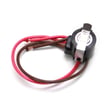
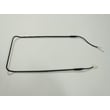
| Frost buildup, warm temps | Defrost thermostat/bi-metal, heater | Refrigerator defrost bi-metal WPW10225581, refrigerator heater WP2323198 |
Why it matters
Cooling and frost complaints are often airflow or defrost related; catching them early prevents temperature swings, food spoilage, and ice buildup that can block vents and strain the compressor.
Last updated: January 2026