Error Codes



How to clean coils on KitchenAid side by side refrigerator?
To clean the condenser coils on your KitchenAid KSSS36MDX05 side-by-side refrigerator, unplug the unit, remove the base grille (or rear access panel if equipped), then vacuum dust from the coil and surrounding area using a soft brush attachment. This restores airflow and helps cooling efficiency.
Quick steps (safe and effective)
- Unplug the refrigerator or switch off power at the breaker.
- Pull the unit forward if needed to access the front grille area.
- Remove the base grille; most built-in KitchenAid models use a snap-in or screw-secured grille.
- Vacuum the condenser coil and nearby components with a soft brush tool.
- Use a coil brush to loosen packed lint, then vacuum again.
- Reinstall the grille, restore power, and confirm the compressor and fans run normally.
How often should we clean the coils?
Most refrigerators run best when coils are cleaned every 6 to 12 months. Clean them more often if you have pets, heavy kitchen dust, or the refrigerator is in a tight enclosure.
| Home condition | Recommended coil cleaning |
|---|---|
| No pets, low dust | Every 12 months |
| Pets or dusty home | Every 6 months |
| Noticeably warm cabinet sides or longer run times | Clean now, then every 6 months |
What to watch for while you are down there
If you see any of the issues below, cleaning alone might not solve the problem:
- Fan noise or no airflow near the coil area
- Heavy lint packed into the coil fins
- Water in the drain pan area
- Poor cooling even after cleaning
- Frost buildup patterns that return quickly
If the refrigerator is not cooling well and you suspect airflow problems, our troubleshooting steps in how to fix your evaporator cooling fan can help you narrow down whether the evaporator fan system is involved.
Why it matters
Dirty condenser coils trap heat; that forces the compressor to run longer, can raise temperatures in the fresh food section, and increases energy use. Regular coil cleaning is one of the simplest ways to protect the sealed system and keep temperatures stable.
Last updated: February 2026
What is the most common problem with KitchenAid refrigerators?
For KitchenAid refrigerators like model KSSS36MDX05, the most common issues are ice maker problems (no ice, slow ice, leaking) and cooling/temperature problems (warm fridge, freezer OK, or inconsistent temps). These are often tied to airflow, defrost, or water-supply components.
Most common symptoms we see
- Ice maker stops making ice or makes hollow/small cubes
- Water dispenser flow is weak or sputters
- Refrigerator section warms up while freezer stays cold
- Frost buildup on the back wall or around vents
- Puddles or dripping water inside the fresh food section
- Unusual fan noise (rattling, buzzing, or intermittent)
Quick checks that solve many “common problems”
Start with these basics before replacing parts:
- Confirm temperatures: aim for about 0°F in the freezer and 37°F in the refrigerator
- Check airflow: do not block vents with food packages
- Clean condenser area: dust buildup can cause poor cooling and longer run times
- Inspect door sealing: gaps or a loose seal cause warm temps and moisture
- Verify water supply: kinked line or low pressure affects ice and dispensing
- Look for drain issues: a clogged drain can cause leaks and ice buildup
Parts that commonly relate to these problems (for KSSS36MDX05)
If troubleshooting points to a failed component, these model-matched parts are common suspects:
| Problem area | What it affects | Model-matched part to check |
|---|---|---|
| Defrost system | Frost buildup, warm fridge, airflow restriction | Defrost timer WP2183400 |
| Door sealing | Moisture, frost, warm temps, long run times | Refrigerator door gasket 2188319A |
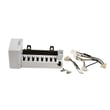
| Ice production | No ice, slow ice, leaking ice maker | Ice maker assembly 4317943 |
Why it matters
Ice maker and temperature complaints usually get worse over time. A small airflow restriction, weak door seal, or defrost problem can turn into spoiled food, heavy frost, and constant running, which increases wear on major sealed-system components.
Helpful DIY guides
- Common refrigerator ice maker problems and solutions
- How to fix your evaporator cooling fan
- How to diagnose a faulty refrigerator water inlet valve
Last updated: February 2026
Why is my KitchenAid side by side refrigerator leaking water?
Water leaking from your KitchenAid KSSS36MDX05 side-by-side refrigerator is usually caused by a clogged or frozen defrost drain, a cracked drain pan, or a water/ice system leak (reservoir or ice maker). Start by identifying whether the water is inside the cabinet or pooling underneath.
Quick checks (fastest way to narrow it down)
- Water on the floor under the front: often a drain pan issue or a defrost drain overflow.
- Water inside the fresh food section (bottom shelf or under drawers): commonly a defrost drain clog.
- Water near the freezer/ice maker area: often an ice maker fill or mold issue.
- Leak only when dispensing water: commonly a reservoir or line connection issue.
- Ice clumps or hollow cubes: points to ice maker or water supply problems.
Most common causes and what to do
1) Clogged or frozen defrost drain
When the drain is blocked, defrost water backs up and spills into the refrigerator or onto the floor.
- Unplug the refrigerator.
- Remove items blocking the drain area.
- Melt any visible ice with warm air (never use sharp tools).
- Flush the drain with warm water until it flows freely to the pan.
2) Drain pan problems
A cracked, shifted, or overflowing pan can leave puddles underneath.
- Inspect the pan for cracks and proper placement.
- Clean heavy buildup that can cause overflow.
3) Water system leaks (reservoir or ice maker)
If the leak is tied to water use or ice production, check these common leak points:
- Water reservoir: inspect for cracks and wet insulation; consider replacing the refrigerator reservoir WP2256126.
- Ice maker: look for seepage around the mold or module; common replacements include the ice maker assembly - refrigerator ice maker by whirlpool 4317943 or the refrigerator ice mold WPW10190929.
Symptom-to-cause guide
| What you see | Most likely cause | What to check first |
|---|---|---|
| Water under crisper drawers | Defrost drain clogged/frozen | Drain opening and drain tube |
| Puddle under unit after defrost | Drain pan overflow/position | Pan condition and alignment |
| Leak near ice bin/ice maker | Ice maker fill or mold seep | Ice maker area and tubing |
| Leak only during dispensing | Reservoir/line connection | Reservoir and fittings |
Why it matters
Even small leaks can lead to ice buildup, warm temperatures, and floor damage. Fixing the source quickly helps protect the evaporator area, door seals, and food temperatures.
Helpful DIY guidance
For step-by-step prevention and water-system tips, use our guide: how to prevent water dispenser and ice maker problems.
Last updated: February 2026
What causes a side-by-side refrigerator to stop cooling?
A KitchenAid KSSS36MDX05 side-by-side refrigerator usually stops cooling because airflow is blocked, the evaporator fan is not moving cold air, the defrost system is iced up, or the sealed system (compressor/refrigerant) is not running correctly.
Quick checks we recommend first
- Confirm the refrigerator has power and the interior lights turn on.
- Set controls to a colder setting and wait 12 to 24 hours for temperature to stabilize.
- Make sure food packages are not blocking return vents or supply vents.
- Clean the condenser area (dust buildup can cause poor cooling).
- Listen for the evaporator fan in the freezer; it should run when the door switch is pressed.
Most common causes (and what you will notice)
| What’s wrong | Typical symptoms | What to check next |
|---|---|---|
| Airflow problem | Freezer cold but fresh food warm | Vents blocked, overpacked shelves, frost buildup |
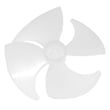
| Evaporator fan issue | Warm fridge, weak airflow, unusual noise | Fan blade damage or fan not spinning; see refrigerator evaporator fan blade WP2169142 |
| Defrost system failure | Heavy frost on freezer back wall, temps rise over days | Defrost timer or defrost bi-metal; see defrost timer WP2183400 and refrigerator defrost bi-metal WP4387499 |
| Temperature control problem | Temps swing, unit runs too long or not enough | Cold control thermostat; see refrigerator cold control thermostat WP1113466 |
| Sealed system problem | Compressor hot, clicking, or not running; both sections warm | Start device/overload or compressor; see refrigerator overload 4387535 and refrigerator compressor W10309990 |
Why it matters
When cooling stops, food safety and compressor health are at risk. Catching a simple airflow or defrost issue early can prevent longer run times, ice blockage, and more expensive sealed-system repairs.
Helpful DIY guidance
- If you suspect a fan or airflow issue, follow how to fix your evaporator cooling fan.
- If cooling problems involve the water/ice system (after filter changes or dispenser work), use how to purge air from a refrigerator water dispenser video.
- For ongoing ice maker performance issues, review common refrigerator ice maker problems and solutions.
Last updated: February 2026