 Error Codes


How long does a Sani Rinse cycle take?
On the Kenmore 6651571591 dishwasher, Sani Rinse is an option added to a wash cycle, not a standalone cycle; it typically adds about 15 to 30 minutes to the total run time because the dishwasher heats the water longer to reach sanitizing temperatures.
What to expect for total time
Sani Rinse time depends on the base cycle you choose (Normal, Heavy, etc.), incoming water temperature, and how long the heater needs to run.
- If your hot water is already near 120°F, Sani Rinse usually adds less time.
- If incoming water is cooler, the dishwasher extends the cycle to heat water longer.
- Heavier soil loads can also extend the wash portion before the final sanitizing rinse.
Typical timing ranges (what we see most often)
| Setting | What it means | Typical impact on time |
|---|---|---|
| Sani Rinse OFF | Standard final rinse | Baseline cycle time |
| Sani Rinse ON | Heated final rinse for sanitizing | +15 to +30 minutes |
Why Sani Rinse can take longer than expected
Sani Rinse relies on the dishwasher’s heating system. If the unit struggles to heat, it will keep running to try to reach target temperature.
Common causes of extra-long Sani Rinse time include:
- Low incoming hot water temperature (water heater set low or long pipe run)
- Heating performance issues (scale buildup, aging heater circuit)
- A temperature sensing issue (thermostat not reading correctly)
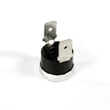
If you suspect a heating problem, the thermostat is one part that can affect temperature control on this model; see the thermostat WP661566.
Why it matters
Sani Rinse is designed to improve hygiene by using higher-temperature rinsing. When it runs longer, it is usually doing its job (heating water), but unusually long cycles can point to a heating or temperature-sensing issue.
Last updated: February 2026
What are common problems with Kenmore dishwashers?
Common problems we see with Kenmore dishwashers (including model 6651571591) are no-start conditions, poor cleaning, not draining, leaks, and rack or dispenser issues. These problems usually trace back to a few high-wear parts, blocked water flow, or simple loading and maintenance problems.
Most common symptoms and what usually causes them
- Dishwasher will not start: door not fully latched, failed door switch or door latch
- Poor cleaning or gritty dishes: clogged spray arms, dirty filter area, low water temperature, weak wash circulation
- Not draining or standing water: drain hose restriction, drain path blockage, worn impeller, pump outlet seal leak letting air in
- Leaks: worn seals or gaskets, loose clamps, tub corner baffle/deflector not sealing
- Racks not rolling or sagging: worn rack hardware, damaged rack components
- Rinse aid not dispensing: dispenser failure or cap/seal issues
Quick checks we recommend before replacing parts
- Confirm the door closes firmly and the latch engages; a weak latch can stop the cycle.
- Run hot water at the sink until it is hot, then start the dishwasher; many cleaning complaints are really low incoming water temperature.
- Inspect the drain hose routing for kinks and make sure it is not pinched behind the unit.
- Check spray arm holes for debris; clear blockages so water can spin the arm freely.
- Look for water at the base or under the toe panel; that helps narrow leaks to seals, clamps, or pump connections.
Parts that commonly solve these issues on model 6651571591
| Symptom | Common part to check | What it affects |
|---|---|---|
| Won’t start | Door latch WP3380854 | Confirms the door is closed so the control will run |
| Not draining, leaks at pump area | Dishwasher pump outlet seal WP302711 | Helps prevent leaks and air intrusion at the pump outlet |
| Leaks at tub corners | Deflector WP8528862 | Seals/baffles water at the tub corner area |
| Water temperature problems | Thermostat WP661566 | Helps regulate heating and protect against overheating |
| Drain problems | Drain hose 675544 | Carries water out; clogs/kinks cause slow or no drain |
| Rinse aid issues | Dispenser WP8052027 | Controls rinse aid delivery for drying and spot reduction |
Why it matters
A dishwasher can look “broken” when the real issue is restricted water flow, low water temperature, or a door that is not latching consistently. Catching those basics early prevents repeat wash failures, leaks, and premature pump wear.
For model-specific troubleshooting steps and code meanings, use our Kenmore 665 model dishwasher error codes guide.
Last updated: February 2026
Why isn't my dishwasher dispensing rinse aid?
If your Kenmore dishwasher model 6651571591 is not dispensing rinse aid, the most common causes are a clogged or leaking dispenser, a cap that is not sealing, or buildup that prevents the dispenser mechanism from opening during the cycle. Cleaning the dispenser area and checking for leaks usually restores normal dispensing.
Quick checks that fix most rinse-aid dispensing problems
- Make sure the rinse-aid cap is tightened fully and the seal is not warped or cracked.
- Confirm the rinse-aid reservoir actually has liquid in it (some reservoirs look “full” when coated).
- Wipe out sticky residue inside the fill area; gel-like buildup can block the outlet.
- Increase the rinse-aid setting one step and run a normal cycle to see if usage changes.
- Use fresh rinse aid; old product can thicken and dispense poorly.
Parts to inspect on model 6651571591
A dispenser that will not dispense often has an internal leak or a stuck mechanism. If you see rinse aid pooling in the door, or the reservoir level never drops, the dispenser assembly is a common fix.
- If the dispenser is leaking or not metering correctly, replace the dispenser WP8052027.
Related symptoms and what they usually mean
| Symptom | What it points to | What to do next |
|---|---|---|
| Reservoir never goes down | Dispenser stuck or blocked | Clean, then consider replacing the dispenser |
| Rinse aid disappears too fast | Cap/seal leak or cracked dispenser | Check cap seal; replace dispenser if leaking |
| Spots and filming on glasses | Low rinse aid setting or poor wash action | Increase setting; verify spray arm is not blocked |
Why it matters
Rinse aid helps water sheet off dishes during drying. When it does not dispense, you often get cloudy glassware, water spots, and slower drying performance even if the wash cycle seems normal.
Helpful DIY guidance
For better overall results (loading, detergent use, and cycle choices), follow the steps in how to use your dishwasher efficiently.
Last updated: February 2026






