 Installation guide
 Owner’s manual



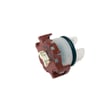


Can I replace dishwasher parts myself?
Yes, you can replace some parts on your GE CDT835SSJ2SS dishwasher yourself, especially basic, low-risk items. For anything involving wiring, heating, or leak detection, we recommend following the safety steps in the CDT835SSJ2SS owner’s manual and using a qualified technician when the procedure is not specifically recommended.
What you can usually do yourself (DIY-friendly)
These repairs are commonly manageable with basic tools and careful work:
- Clean the Ultra-Fine filter and reinstall it correctly
- Clean a sink-mounted air gap (if your kitchen has one) to help with draining
- Check that the water valve under the sink is fully open
- Reset a tripped breaker or replace a blown fuse (if you are comfortable doing so)
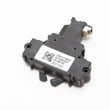
- Replace simple mechanical door hardware such as the GE dishwasher door latch lock WD21X10490 or the dishwasher door latch strike WD13X10071
Repairs that are higher risk (often better for a technician)
The manual calls out important safety steps such as disconnecting power before maintenance and avoiding repairs not specifically recommended. These jobs can involve shock, burns, or water damage risk:
- Electrical troubleshooting (wiring, control boards, harnesses)
- Heating system repairs (do not touch the heating element during or right after use)
- Leak-related issues when the display shows a leak condition
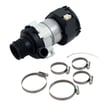
- Pump and motor work, including replacing the dishwasher circulation pump assembly WD26X23258
Quick safety checklist before any repair
- Turn off power at the breaker (and confirm the dishwasher is off)
- Shut off the water supply under the sink
- Let the unit cool before working near the heater
- Use proper grounding and correct connection method (cord kit or hard-wire)
- Keep small parts (clips, posts) away from children
DIY difficulty guide (typical)
| Repair type | Typical difficulty | Common tools |
|---|---|---|
| Filter and air gap cleaning | Easy | None, sponge, toothpick |
| Door latch/strike replacement | Medium | Screwdriver |
| Drain hose replacement | Medium | Pliers, towel/pan |
| Control or pump replacement | Hard | Multimeter, nut driver |
Why it matters
Choosing the right DIY level helps prevent electric shock, fire risk, and leaks. It also saves time by focusing your effort on repairs that match your tools and experience.
Last updated: February 2026
What is the average lifespan of a GE dishwasher?
A GE dishwasher like model CDT835SSJ2SS typically lasts 10 years with normal household use. Consistent cleaning, correct detergent use, and fixing small issues early (drain, heat, or door-closing problems) are the biggest factors in reaching or beating that average.
What affects dishwasher lifespan most
- Water quality and temperature: hard water and low incoming water temp increase wear.
- Cleaning and maintenance: a clean filter area and spray paths reduce strain on the circulation system.
- Drying and heating performance: weak heating can leave moisture and residue behind.
- Door sealing and closing: leaks and slamming stress the door system.
- Installation quality: proper mounting and service access help prevent damage during service (see the CDT835SSJ2SS installation guide).
Typical lifespan by use pattern
| Use pattern | Typical lifespan | What usually wears first |
|---|---|---|
| Light (2 to 3 loads/week) | 10 to 12 years | Door seals, racks, small leaks |
| Average (4 to 7 loads/week) | ~10 years | Drain and circulation components |
| Heavy (1 to 2 loads/day) | 7 to 9 years | Pump, heater, door hardware |
Maintenance that adds years (practical checklist)
- Run a monthly cleaning cycle and wipe the door edges and gasket.
- Keep spray arms clear; remove labels, seeds, and glass bits from the tub bottom.
- Use rinse aid if drying is weak; avoid overfilling detergent.
- Check for slow draining and correct the drain hose routing early.
- If the door will not latch reliably, inspect the strike and latch alignment; the GE dishwasher door latch lock WD21X10490 is a common wear item.
Why it matters
A dishwasher near the 10-year mark can still be a great performer, but small symptoms (poor drying, not draining, door not closing) usually signal higher stress on the heater, pump, and seals. Addressing those early helps prevent bigger failures.
Last updated: February 2026
What is the most common problem with GE dishwashers?
The most common GE dishwasher problem is a no-start or won’t-run condition. On the GE CDT835SSJ2SS, the most frequent causes are a door that is not fully latched, a power interruption (breaker or wall switch), or a control lock or start-sequence issue. See the CDT835SSJ2SS owner’s manual for model-specific checks.
Quick checks we recommend first
- Confirm the door closes firmly and latches without resistance.
- Reset the circuit breaker (or replace a blown fuse) and remove other loads from that circuit.
- Check for a wall switch that controls dishwasher power (often near the disposer switch) and turn it on.
- Make sure the control panel is not locked; unlock it per the manual.
- Follow the proper Start sequence for your control panel.
- If the display indicates a leak condition, address the leak source before restarting.
Common symptoms and the most likely causes
| Symptom | Most likely cause | What to do next |
|---|---|---|
| No lights, no response | No power at the unit | Check breaker, wall switch, wiring connection |
| Lights on, won’t start | Door not latched | Inspect latch and strike alignment |
| Starts then stops | Leak detection triggered | Look for water in the base, check for drips |
| Runs but poor cleaning | Loading or spray obstruction | Re-load to avoid blocking wash jets |
Parts that commonly solve “won’t start” complaints
If the door feels closed but the dishwasher still will not run, the latch system is a top suspect.
- GE dishwasher door latch lock WD21X10490 (door switch and latch mechanism)
- Dishwasher door latch strike WD13X10071 (the striker the latch grabs)
Why it matters
A dishwasher that won’t start is often a simple safety interlock doing its job. Restoring reliable latching and stable power prevents mid-cycle stops, error conditions, and incomplete washing.
For display messages or beeping patterns, we use the GE electronic dishwasher error codes guide to match the code to the fastest fix.
Last updated: February 2026
What are the commonly replaced parts in a dishwasher?
In a GE dishwasher like model CDT835SSJ2SS, the most commonly replaced parts are the ones that affect starting, sealing, heating, draining, and wash performance: door latch and seals, heating components, hoses, and pump-related parts. Use the CDT835SSJ2SS owner’s manual to match symptoms to the right part.
Commonly replaced dishwasher parts (and what they do)
- Door latch and strike: lets the dishwasher start only when the door is fully closed
- Tub gasket/door seal: prevents leaks around the door opening
- Heating system: heats water and supports drying performance
- Drain hose: carries wastewater to the sink drain or disposer
- Circulation pump: drives water through spray arms for cleaning
- Controls: user interface and main control board manage cycles and options
Model CDT835SSJ2SS examples from our parts list
| Symptom | Common part to check | Example part for this model |
|---|---|---|
| Won’t start or stops mid-cycle | Door latch/door not sensed closed | GE dishwasher door latch lock WD21X10490 |
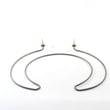
| Not drying or water not heating | Heating element | Dishwasher heating element WD05X30818 |
| Poor cleaning, weak spray | Circulation pump | Dishwasher circulation pump assembly WD26X23258 |
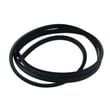
| Leaking at the door | Tub gasket | Dishwasher tub gasket WD08X23477 |
| Not draining | Drain hose (and drain path) | Dishwasher drain hose WD24X10062 |
How we recommend narrowing it down fast
- Confirm the door is firmly closed; many “won’t run” complaints trace back to door closure.
- Check the water valve under the sink is on (a common no-fill cause).
- If the unit has power but will not run, verify the control panel is not locked.
- For draining issues, inspect the drain hose routing for kinks and clogs.
- For odor and film, follow the cleaning guidance in the manual (citric acid or dishwasher cleaner).
Why it matters
Replacing the right part first saves time and prevents repeat failures. For example, a dishwasher that “won’t start” can be a simple door-latch issue, while “not drying” often points to the heating circuit.
Last updated: February 2026





