- Kenmore refrigerator water filters
- Whirlpool refrigerator water filters
- Samsung refrigerator water filters
- GE refrigerator water filters
- LG refrigerator water filters
- Frigidaire refrigerator water filters
- KitchenAid refrigerator water filters
- Maytag refrigerator water filters
- Kenmore Elite refrigerator water filters
- Estate refrigerator water filters
- GE Profile refrigerator water filters
- Amana refrigerator water filters
- Bosch refrigerator water filters
- Dacor refrigerator water filters
- Electrolux refrigerator water filters
Top DIY repair help
View All Repair Categories
Appliances
Lawn & Garden
Power Tools
Home Improvement
Sports & Leisure
Heating & Cooling
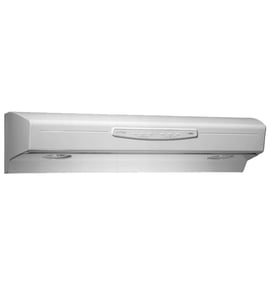
GE Range hood Parts — Browse All Models
Sears PartsDirect makes it easy to locate genuine GE range hood parts for your exact model. Simply enter your hood’s model number in the search bar or browse our list of GE models to view detailed parts diagrams. When you need guidance on diagnosing or repairing your hood, check our DIY range hood repair help section.

GE JNXR22SP1SS range hood
Frequently bought GE parts
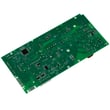
G.e. Main Control Board For Front-load Washer
Part #WH22X37840
This item is not returnable
In Stock
$259.26
$12.00 OFF Phone Price : $271.26

Qty


Drain Pump & Filter
In Stock
$220.59
Qty
Spray Arm
In Stock
$21.51
22% OFF Phone Price : $27.51
Qty
G.e. Washer Door Lock
In Stock
$71.36
8% OFF Phone Price : $77.36
Qty
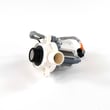
G.e. Washer Drain Pump Assembly
In Stock
$54.67
10% OFF Phone Price : $60.67
Qty
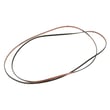
G.e. Dryer Drum Belt
In Stock
$52.52
10% OFF Phone Price : $58.52
Qty
Popular maintenance items for Range Hoods
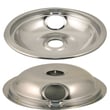
Range Drip Pan, 8-in (chrome)
Part #WPW10196405
This item is not returnable
In Stock
$6.86
13% OFF Phone Price : $7.86
Qty
Broan Range Hood Light Lens
$49.04
11% OFF Phone Price : $55.04
Qty
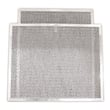
Broan Range Hood Grease Filter, 2-pack
In Stock
$64.94
8% OFF Phone Price : $70.94
Qty
Refrigerator Screw
Part #WP489483
This item is not returnable
In Stock
$9.76
9% OFF Phone Price : $10.76
Qty
Microwave High-voltage Capacitor
In Stock
$119.86
9% OFF Phone Price : $131.86
Qty
Appliance Screw, 10-16 X 1/2-in
Part #WP681414
This item is not returnable
In Stock
$4.91
17% OFF Phone Price : $5.91
Qty
Troubleshooting common GE range hood problems
Identifying the cause of symptom first helps you order the correct part and avoid unnecessary replacements.
Fan or blower not working
If your hood’s fan or blower stops spinning, the motor bearings may be worn or the blower wheel may be obstructed.
Lights stop working
When the hood lights won’t turn on or flicker after bulb replacements, the socket or internal wiring may be failing.
Hood doesn’t vent correctly
If smoke lingers while cooking or suction feels weak, check the ductwork and filters first. If they’re clear the blower motor, wheel or control board might be the root cause.
Commonly replaced GE range hood parts
Here are some of the most frequently replaced parts, what they do, how you’ll know they’ve failed, and how to fix them.
- Blower motor: Drives the hood’s airflow system. If the motor hums but the fan doesn’t spin, install a new blower motor to restore ventilation.
- Light socket: Supplies power to the hood’s lighting. When bulbs fail despite being new, you may need to install a new light socket to restore illumination.
- Electronic control board: Manages fan speed, lights and sensors. If multiple hood functions stop working simultaneously, replace the control board.
- Blower wheel: Spins to move air efficiently. A cracked or mis-aligned wheel causes vibration or weak suction. Replacing it restores smooth airflow.
- Grease or charcoal filters: Trap grease and cooking odors. When clogged airflow drops and noise rises. Replace filters regularly for optimal performance.
Benefits of using Sears PartsDirect for your GE range hood repair parts
OEM GE range hood parts from Sears PartsDirect are engineered for your model’s exact specifications. They ensure proper fit, dependable performance and long‐term reliability. You’ll also find detailed diagrams and repair resources to guide you through diagnosis and installation.
GE range hood FAQs
Where do I find the model number on my GE range hood?
Look inside the hood beneath the light lens, on the underside panel, or on the rear panel near the motor housing. Using the exact model number ensures you order the correct parts.
Why is my GE hood fan making noise?
Noise during fan operation often means worn motor bearings or a mis-aligned blower wheel. Inspect those parts and replace whichever shows signs of wear.
Why is the suction weak even though the fan is running?
Weak airflow can stem from clogged filters, blocked ducts or a damaged blower wheel. Start by cleaning filters and checking ducts before replacing any component.
How often should I change filters in my GE hood?
Clean grease filters every few weeks and replace if bent or damaged. Charcoal filters in recirculating models typically need replacement every 6-12 months depending on cooking frequency.
Can I use generic parts in my GE range hood?
Generic parts may physically fit but may not meet GE’s design or performance standards. To ensure proper operation and safety, always match the replacement part to your exact model.
Parts & More
Bench Grinder
Bottom-Mount Refrigerator
Front-Engine Lawn Tractor
Gas Walk-Behind Mower
Hole Digger
Lawn Tractor Attachment
Lawn Vacuum
Log Splitter
Range Hood
Side-By-Side Refrigerator
Water Heater