Owner’s manual
 View engine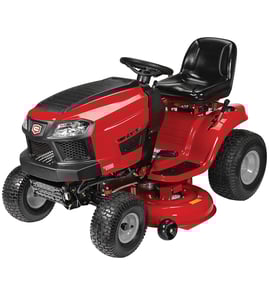



What model number is the Craftsman 247270380?
The Craftsman model number for this lawn tractor is 247.27038* (often shown without the dot as 247270380). In the 247270380 operator’s manual, Craftsman notes the last digit can vary by version, so you may see a slightly different final digit on the ID label.
Where to find the exact model and serial on your tractor
Check the product ID label on the tractor (not the engine label). We use that label to match the correct parts diagrams and replacement parts.
- Look for a sticker or metal tag under the seat, near the frame, or by the rear fender area
- Record the full model number (including any suffix or last digit)
- Record the serial number; it helps confirm the correct production run
- Use the tractor model number for chassis and deck parts (belts, blades, cables)
- Use the engine model/spec numbers for engine-only parts (spark plug, air filter)
Model number formats you may see
Craftsman and MTD-built tractors commonly show the same model in a few formats.
| What you see on the label | What it means |
|---|---|
| 247.27038X | Same model family; last digit varies |
| 24727038X | Same as above, just without the dot |
| 247270380 | A specific version within the 247.27038* family |
Why it matters
Parts like the ground drive belt, blade drive belt, and 42-in deck blade can change by sub-model. Matching the full 247.27038* version helps us ensure the correct fit and routing details from the parts diagrams and the manual.
Last updated: February 2026
What riding mower has the least problems?
Riding mowers with the fewest problems are typically higher-end models with strong dealer support and proven engines; in owner reliability surveys, brands like Kubota and John Deere often rank near the top. For your Craftsman lawn tractor model 247270380, the best way to minimize problems is consistent maintenance and correct operation per the 247270380 owner's manual.
What “least problems” usually means
Most “problem-free” riding mowers share the same traits:
- A well-supported brand with easy access to parts and service
- A proven engine platform (and clean fuel delivery)
- A durable drive system and properly adjusted belts
- A deck that is kept clean and level for reduced vibration
- Owners who follow safe mowing limits (grass height, slopes, debris)
How to reduce problems on a Craftsman 247270380
The manual guidance for safe mowing and slope operation directly prevents common failures (belt wear, overheating, loss of traction, tip-over risk).
- Keep the mowing area clear of sticks, stones, wire, and debris
- Avoid mowing wet grass to prevent slipping and uneven cutting
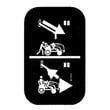
- Mow up and down slopes, not across
- Engage the deck only when raised or on a non-grassy area to reduce belt and PTO wear
- Use approved attachments only; extra weight and baggers change stability
Quick maintenance items that prevent “no-start” and rough running
These are the most common, high-impact tune-up parts for this tractor type:
| Maintenance item | What it prevents | Example part for this model page |
|---|---|---|
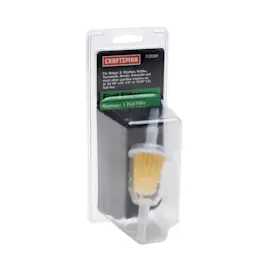
| Fuel filter | Hard starting, surging, stalling | Fuel filter KH-24-050-13-S |
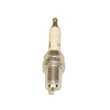
| Spark plug | Misfire, poor power, no-start | Spark plug KH-25-132-12-S |
| Air filter | Rich running, black smoke, power loss | Lawn & garden equipment engine air filter KH-32-883-09-S1 |
Why it matters
Most “mower problems” are avoidable wear issues: dirty air filters, stale fuel, and premature belt damage from engaging the deck in grass. Following the operating limits in the manual (especially slopes and deck engagement) reduces breakdowns and extends belt, blade, and battery life.
Last updated: February 2026
What years did they make the Craftsman 247270380?
Craftsman model 247270380 is part of the 247.27038* lawn tractor series covered by a Craftsman operator’s manual dated March 3, 2017, so we can place this model family in production by at least the 2017 model year timeframe. For the exact build year of your specific tractor, use the serial number and date-of-manufacture information in the 247270380 operator’s manual.
How to identify the exact year for your tractor
We recommend using the tractor’s ID label and serial number because model families can span multiple years.
- Locate the model and serial number label (commonly under the seat or on the frame near the seat).
- Write down the full model number (247270380) and the full serial number.
- Compare the serial number format to the identification guidance in the manual.
- If your tractor has Smart Lawn Technology, the app setup process also uses the model and serial number barcodes.
- Keep the numbers with your maintenance records for parts matching (belts, blades, ignition parts).
What we can say from the manual (and what it means)
The operator’s manual that covers 247.27038* models is labeled with a form number and a publication date.
| Item in documentation | What it tells you | What it does not tell you |
|---|---|---|
| Manual covers “Model Nos. 247.27038* …” | Your model is in that series | The exact first and last production year |
| Manual date: March 3, 2017 | The series existed by 2017 | Whether your unit was built earlier or later |
Why it matters
The build year affects parts and service details such as deck configuration, belt routing, and electrical components (for example, an ignition switch or starter solenoid). Using the serial number ensures we match the correct Craftsman lawn tractor parts the first time.
Last updated: February 2026
What kind of oil do you use in a Craftsman lawn tractor?
For the Craftsman lawn tractor model 247270380, we use 4-cycle engine oil; SAE 5W-30 is a common, all-around choice for most operating temperatures. Always confirm the exact oil type and fill amount in the engine section of the 247270380 operator’s manual.
How to choose the right oil for your tractor
Use these quick checks before you buy oil:
- Check the engine manual section for the required viscosity (often 5W-30 or 10W-30)
- Match oil to temperature: 5W-30 for easier cold starts; 10W-30 for warmer conditions
- Use 4-cycle (4-stroke) detergent oil (do not use 2-cycle oil)
- Choose API-rated oil intended for small engines (typical ratings include SJ and newer)
- If your tractor is used on slopes, keep the oil level correct to protect internal lubrication
Oil level and maintenance basics
The operator’s manual calls out an important habit: check the engine oil level before each use and add oil as needed to prevent engine damage.
Quick oil check steps
- Park on a level surface and set the parking brake
- Shut off the engine, remove the key, and let the engine cool briefly
- Pull the dipstick, wipe it clean, reinsert fully, then recheck
- Add oil in small amounts and recheck to avoid overfilling
Common oil choices (what they are best for)
| Oil viscosity | Best for | Notes |
|---|---|---|
| SAE 5W-30 | Mixed temps, cooler weather | Strong cold-start protection |
| SAE 10W-30 | Warmer weather | Can increase consumption in high heat on some engines |
Why it matters
Correct oil viscosity and a full oil level reduce wear, control heat, and help your Craftsman tractor’s engine last longer. Oil that is too thick or too thin for conditions can increase starting problems and engine wear.
Last updated: February 2026
Who makes Craftsman riding lawn tractors?
Many Craftsman riding lawn tractors (including model 247270380) are built for the Craftsman brand by MTD (now part of Stanley Black & Decker’s Craftsman brand ecosystem). The most reliable way to confirm the manufacturer for your exact tractor is to match the model number family shown in the 247270380 operator’s manual.
How to identify who built your specific Craftsman tractor
We recommend using the model and ID information on the tractor itself, then cross-checking it with the documentation.
- Locate the product label (often under the seat or on the frame)
- Confirm the full model number format (Craftsman 247.xxxxx style numbers commonly align with MTD-built units)
- Compare the model family list in the manual (the operator’s manual covers multiple 247.2703x and 247.2704x models)
- Use the parts diagrams for your model to confirm the platform (deck, transaxle, controls)
- If you are ordering maintenance parts, match by model number, not by appearance alone
What the manual tells us for model 247270380
The operator’s manual for this series is labeled for “Lawn tractors with smart lawn technology” and lists multiple model numbers in the same family (including 247.27038*). That model-number family is commonly associated with MTD-built Craftsman riders.
Quick reference
| Item | What to check | Why it helps |
|---|---|---|
| Model number | 247270380 | Identifies the correct platform and parts |
| Manual coverage | 247.27038* family | Confirms you are in the right tractor series |
| Parts match | Belts, blades, ignition parts | Confirms the build family through compatible components |
Why it matters
Knowing who built the tractor helps you choose the correct belts, blades, and engine tune-up parts, and it also helps when you follow service steps like PTO operation, deck lift adjustments, and Smart Lawn app setup.
Last updated: February 2026
How to find Craftsman model number?
On Craftsman lawn tractor model 247270380, the model and serial number label is typically on the frame under the seat (often easiest to see with the seat tipped forward). Use those numbers to match the correct parts list and the correct 247270380 operator’s manual.
Where to look on the tractor
Check these common ID label locations first:
- Frame rail directly under the seat
- Underside of the seat pan
- Rear fender area near the seat mounting points
- Frame near the footrest area (left or right side)
- Near the engine compartment on the frame (less common)
How to use the model and serial number
Once you find the tag, write down both numbers exactly as shown.
- Model number identifies the tractor family and configuration
- Serial number helps confirm the production run and correct revisions
- Use the numbers when ordering wear items like a ground drive belt, blade drive belt, blade, ignition switch, or starter solenoid
Quick reference
| What you see on the tag | What it’s used for | Why it matters |
|---|---|---|
| Model number (example: 247270380) | Selecting diagrams and parts | Prevents ordering the wrong deck or belt setup |
| Serial number | Confirming exact build | Helps match updated parts and hardware |
If your tractor uses Smart Lawn features
Many Craftsman tractors in this series support the Smart Lawn app; it can prompt you to enter or scan the model and serial number barcodes during setup. The steps and control locations are shown in the 247270380 operator’s manual.
Why it matters
Craftsman riding mower parts vary by deck size, drive system, and production changes. Using the exact model and serial number keeps routine maintenance (oil, air filter, spark plug, blades, belts) straightforward and avoids returns.
Last updated: February 2026
What's the average lifespan of a riding lawn mower?
For the Craftsman lawn tractor model 247270380, the manufacturer guidance lists an Average Useful Life of 7 years or about 270 operating hours; after that point, we recommend annual inspections to keep mechanical and safety systems in good working order (see the 247270380 owner's manual).
Typical lifespan ranges (what most owners see)
Even though the manual gives a clear “average useful life” benchmark, real-world lifespan depends heavily on maintenance, storage, terrain, and how hard the mower is worked.
- Light residential use: often reaches the 7-year or 270-hour benchmark with routine care
- Well-maintained residential use: commonly 10 to 15 years of service
- Heavy use or poor maintenance: can shorten life significantly (especially belts, blades, and steering components)
- Hours matter more than years: engine and drive wear track operating time more than calendar age
What to do as you approach 270 hours (or 7 years)
We focus on keeping the tractor safe and reliable by tightening up the wear items and verifying the safety interlocks.
- Check engine oil level before each use; change oil on schedule
- Inspect and replace the ground drive belt if it slips or cracks
- Inspect and replace the blade drive belt if blades hesitate under load
- Replace the air filter and fuel filter to prevent hard starting and power loss
- Keep blades sharp and balanced for lower engine strain
- Store the tractor clean and dry; avoid fuel issues during off-season storage
Common wear parts for this model (examples)
| System | What wears first | What you’ll notice |
|---|---|---|
| Drive | Ground drive belt | Slipping, slow takeoff, loss of hill-climb power |
| Mowing deck | Deck blade | Ragged cut, vibration, more engine load |
| Fuel/air | Fuel filter, air filter | Hard starting, surging, reduced power |
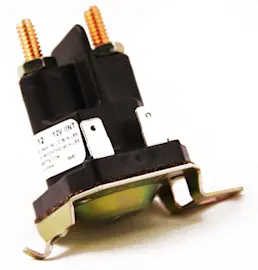
| Starting | Starter solenoid, ignition switch | Clicking, no crank, intermittent start |
Why it matters
Past the “average useful life” point, the risk is less about the engine suddenly failing and more about worn mechanical parts and safety systems (brake, blade engagement, interlocks) not performing as designed. Staying ahead of maintenance helps protect the operator and extends service life.
Last updated: February 2026