Owner’s manual
 Error Codes


What is the capacity of Samsung WF431ABP?
The Samsung WF431ABP front-load washer has a 3.9 cu. ft. capacity. That size is designed for everyday family loads and helps you balance load size, cycle selection, and spin performance for better cleaning and shorter dry times.
A 3.9 cu. ft. front-load washer typically handles:
- A full mixed load of everyday clothing
- A queen comforter (depending on fill and thickness)
- Several bath towels in one load
- Bulky items best washed on a bedding or bulky cycle
For cycle and load recommendations specific to your washer, use the WF431ABP owner's manual.
Overloading is the most common reason for poor cleaning, vibration, and out-of-balance spinning.
- Load loosely; do not pack items down
- Keep heavy items (jeans, towels) mixed with lighter items to balance the drum
- Use HE detergent and measure carefully to reduce oversudsing
- Choose the correct soil level and spin speed for the fabric type
- If the washer shakes or bangs, re-level the feet and reduce load size
| Item type | Typical fit in 3.9 cu. ft. | Best practice |
|---|---|---|
| Everyday clothes | Full load | Leave space at the top for tumbling |
| Towels | Medium to large load | Mix sizes to improve balance |
| Comforter | Often yes (queen) | Use bulky/bedding cycle; do not overload |
| Small rugs | Sometimes | Wash one at a time if heavy when wet |
Capacity affects how well the washer tumbles and extracts water. When the drum has enough room to lift and drop laundry, you get better agitation, fewer balance issues, and more effective spin speeds.
Last updated: February 2026
What is the lifespan of a Samsung front load washer?
A Samsung front load washer like model WF431ABP typically lasts 10 to 15 years in normal household use. Consistent cleaning, correct detergent use (HE), and fixing small leaks or vibration issues early are what most often push lifespan toward the high end.
Most front-load washers land in a similar range, but real-world life depends on load size, cycle frequency, and maintenance.
- Light use (few loads/week): often closer to 12 to 15 years
- Heavy use (daily loads, large families): often closer to 8 to 12 years
- Hard water and overdosing detergent: shortens life by stressing bearings, seals, and the drain system
- Chronic out-of-balance spinning: accelerates wear on suspension and tub components
| Usage pattern | What you’ll notice first | What to do early |
|---|---|---|
| Heavy, frequent loads | More vibration, longer drain times | Reduce load size; clean drain path |
| Hard water | Odor, residue, slow draining | Run monthly cleaning cycle; use correct dose |
| Infrequent use | Musty smell, door boot mildew | Keep door ajar; wipe gasket dry |
These habits reduce the most common wear points on a front-load washer.
- Wipe the door boot dry after laundry day and leave the door slightly open
- Use HE detergent and measure carefully (too much causes buildup)
- Run a monthly tub-clean cycle (or hottest empty cycle) to control residue
- Check pockets to prevent coins and debris from damaging the drain pump
- Level the washer to reduce shaking and stress on the suspension
When a washer starts shaking, leaking, or not draining, replacing the right part early can prevent bigger damage.
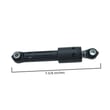
- If the washer bangs or walks during spin, inspect suspension; a worn shock absorber dc66-00470a is a common cause
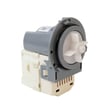
- If it will not drain or drains slowly, a failing washer drain pump DC31-00054D is a frequent fix
- If you see leaks at the door opening, the door seal and clamps are key; the washer door boot DC64-01570A is the main seal
A front-load washer’s most expensive failures often start small (vibration, minor leaks, slow draining). Addressing those symptoms early helps protect the tub bearings, motor system, and control components.
For model-specific care and cleaning steps, follow the WF431ABP owner’s manual.
Last updated: February 2026
What is the most common problem with the Samsung washing machine?
The most common issue we see on Samsung front-load washers like model WF431ABP is a spin problem caused by an unbalanced load or excessive vibration; the washer may stop, bang, or show a balance-related error. Drain and fill problems are also frequent and usually trace back to a pump, inlet valve, or a door boot leak.
- Washer won’t spin out water or leaves clothes wet
- Loud banging or walking during spin
- Stops mid-cycle and tries to rebalance repeatedly
- Won’t drain, drains slowly, or shows a drain-related error
- Won’t fill, fills slowly, or stops with a fill-related error
- Water leaking at the door area
- Rebalance the load: Wash similar items together; avoid one heavy item (blanket, rug) by itself.
- Level the washer: A front-load washer that is slightly out of level can shake hard and fail to spin.
- Use the right detergent amount: Too many suds can cause poor draining and cycle interruptions.
- Check draining basics: Make sure the drain hose is not kinked and the standpipe is not backing up.
- Inspect the door boot area: Look for small tears, debris, or a clamp that has slipped.
| Problem area | What typically fails | Example part for this model |
|---|---|---|
| Excessive vibration, banging | Worn suspension | Shock absorber dc66-00470a |
| Won’t drain or drains slowly | Weak or jammed pump | Washer drain pump DC31-00054D |
| Won’t fill or fill errors | Inlet valve not opening correctly | Washer water inlet valve DC62-30314K |
| Door leak, boot not sealing | Torn boot or loose clamp | Washer door boot DC64-01570A and washer door boot spring clamp DC97-04973B |
Spin, drain, and fill problems often look like “the washer is bad,” but they are usually caused by a correctable setup issue (load balance, leveling) or a single failed component (drain pump, inlet valve, door boot). Fixing the root cause prevents repeat errors and reduces wear on the tub and suspension.
- Use the WF431ABP owner's manual for cycle selection, load guidance, and error-code steps.
- For balance-related spin issues, follow the troubleshooting in Samsung front load washer dc error code.
Last updated: February 2026