Installation guide
 Owner’s manual


What are the common problems with whirlpool dryers?
Common Whirlpool dryer problems (including the Whirlpool WGD4915EW2 gas dryer) are no-start issues, long dry times, unusual noises, and heat problems. Most causes trace back to airflow restrictions, door/start switch issues, or worn drive components; our WGD4915EW2 owner's manual is the best place to match symptoms to checks.
Most common symptoms and what usually causes them
- Dryer will not run: door not fully closed, failed door switch, start not pressed long enough, or power issue
- Long dry times: vent too long, too many turns, crushed or kinked vent, lint screen clogged
- Lint on clothes: lint screen not cleaned before each load
- Unusual sounds: worn belt, idler pulley, drum support parts, or blower wheel
- No heat or weak heat (gas models): ignition system or gas valve components, plus airflow problems that overheat and trip safety devices
Quick checks we recommend first (fast, no parts)
- Clean the lint screen before every load.
- Confirm the door closes firmly and the latch engages.
- Check the exhaust path for kinks, crushing, or excessive length and elbows.
- Run a timed cycle with a medium load to compare drying performance.
- If the drum light is out, replace it with a 10-watt appliance bulb (procedure is in the manual).
Parts that commonly fix these problems on WGD4915EW2
| Symptom | Common wear item | Example part for this model |
|---|---|---|
| Squealing, thumping, drum not turning well | Drum drive belt | Belt 341241 |
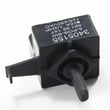
| Dryer stops when door moves, won’t start | Door switch | Dryer door switch WP3406107 |
| Rumbling, squeaking, poor tumbling | Rollers and idler components | Dryer repair kit 4392065 |
| Loud roaring, weak airflow | Blower wheel | Dryer blower wheel WP694089 |
Why it matters
Airflow and drive wear affect both drying performance and component stress. A clogged lint screen or restricted vent can increase cycle times and contribute to overheating that trips safety cut-offs, while worn belt and pulley parts create noise and can stop the drum from turning.
Last updated: February 2026
What are the things inside a dryer drum called?
Inside the drum of your Whirlpool WGD4915EW2 gas dryer, the raised “things” are called drum baffles (also commonly called drum lifters). They lift and tumble clothes as the drum turns, which improves airflow and helps loads dry more evenly; see the WGD4915EW2 owner's manual for your model’s drum and care details.
What drum baffles (lifters) do
- Lift clothes up and drop them through the heated airflow
- Reduce wet clumps so items dry more evenly
- Help prevent “balling up” that can cause vibration and noise
- Improve drying performance by keeping items moving
- Protect fabrics by reducing constant sliding on the drum surface
If a baffle is loose or missing: what you’ll notice
A loose baffle can create rattling, scraping, or thumping, and it can let small items get caught between the drum and the front or rear edges.
| Symptom | Common cause | What to check first |
|---|---|---|
| Rattling or banging in drum | Loose baffle screws or cracked baffle | Inspect inside drum for movement by hand |
| Scraping sound | Baffle shifted and rubbing | Stop dryer and look for shiny rub marks |
| Clothes not tumbling well | Missing or broken baffle | Check for uneven tumbling and longer dry times |
Quick checks we recommend (safe, no tools)
- Turn the drum by hand (dryer off) and listen for clicking or scraping.
- Look for missing fasteners or sharp edges on the baffle.
- Check pockets for coins, buttons, or paper clips that can get trapped at drum edges.
- If drying times are long, clean the lint screen and confirm the vent is not crushed or kinked.
Why it matters
Baffles are a key “tumbling” part. When they are secure, your WGD4915EW2 dries faster and more evenly; when they are damaged, you can get noise, vibration, and poor drying performance.
Last updated: February 2026
What does E2 and F6 mean on a whirlpool dryer?
On Whirlpool gas dryer model WGD4915EW2, an E2/F6 display is an electronic fault code that points to a problem the control is detecting during operation. The most reliable next step is to confirm the exact code definition for your control style, then do the quick checks below before replacing parts.
Confirm the code set for your dryer
Whirlpool uses different error-code “languages” across dryer platforms. Use the WGD4915EW2 documentation to match E2 and F6 to the correct description and test procedure.
- Look up the code in the WGD4915EW2 owner’s manual.
- If the display alternates (for example, F6 E2), write down the exact sequence.
- Note when it appears: at start, during heat, or near the end of the cycle.
Quick checks that fix many E/F code events
Do these in order; they address the most common causes on Whirlpool electronic-control dryers.
- Unplug the dryer (or turn off the breaker) for 2 minutes; restore power and try Timed Dry.
- Make sure the door closes firmly; a weak door circuit can stop a cycle.
- Check the lint screen and venting for restriction; overheating can trigger fault behavior.
- If the code appears only on heated cycles, verify strong airflow at the outside vent hood.
- If the dryer will not start consistently, test the door switch.
| What you observe | Most likely area to check | Example part that matches the symptom |
|---|---|---|
| Won’t start, stops when door is bumped | Door switch circuit | Dryer door switch WP3406107 |
| Runs but heat is inconsistent, then faults | Gas ignition sensing or burner operation | Dryer radiant sensor WP338906 |
| Code returns quickly after reset, multiple functions act erratic | Main electronic control | Dryer electronic control board WPW10476828 |
Why it matters
An E/F code is the dryer protecting itself from unsafe or unreliable operation. Confirming the exact code definition first prevents unnecessary parts replacement and helps you focus on the correct circuit (door, airflow/temperature, ignition, or control).
Last updated: February 2026
What is the average lifespan of a whirlpool dryer?
A Whirlpool dryer typically lasts about 10 to 13 years with normal household use and basic maintenance. For your Whirlpool WGD4915EW2 gas dryer, keeping airflow strong (lint screen and venting) is the biggest factor in reaching that average; see the WGD4915EW2 owner’s manual for care and troubleshooting tips.
What affects dryer lifespan the most
- Vent restriction (long runs, too many elbows, crushed or kinked duct) increases heat stress and run time
- Lint screen habits (clean before every load) help airflow and drying performance
- Overloading strains the drum support system and drive components
- Heat system cycling (gas ignition and flame sensing) adds wear when airflow is poor
- Noises ignored (squeal, thump, rumble) often signal wearable parts that are cheaper to fix early
Quick maintenance checklist (best ROI)
- Clean the lint screen before each load.
- Inspect the vent path for kinks, crushing, or excessive length/turns.
- Keep loads balanced; avoid packing the drum tight.
- If drying times increase, address airflow first before replacing parts.
- Use troubleshooting steps in the manual when the dryer will not run or times are inconsistent.
Common wear items and what they usually mean
| Symptom | Most common cause | Typical fix type |
|---|---|---|
| Squealing or chirping | Belt or idler wear | Replace wearable drive parts |
| Thumping or rumbling | Drum support wear | Replace support components |
| Long dry times | Venting restriction or lint buildup | Clean/shorten venting |
| Runs but no heat (gas) | Ignition or flame sensing issue | Diagnose burner circuit |
Why it matters
A dryer that takes longer to dry runs hotter and longer, which accelerates wear on the belt, motor, and gas heat components. Restoring proper airflow is the simplest way to extend the service life of a gas dryer like the WGD4915EW2.
Last updated: February 2026
Why did my whirlpool dryer stop?
If your Whirlpool gas dryer model WGD4915EW2 stopped mid-cycle or will not keep running, the most common causes are a door not fully closed, restricted airflow (overheating protection), or a failed drive system part such as the belt or motor. Start with the quick checks in the WGD4915EW2 owner's manual.
Quick checks we recommend first
- Confirm the door is fully closed; a misaligned latch can stop operation.
- Clean the lint screen before every load; a blocked screen can contribute to overheating.
- Check the exhaust hood outside and remove lint or debris.
- Inspect the vent for kinks, crushing, or excessive length and elbows.
- If the dryer was unused for a while, brief thumping at startup can be normal.
Airflow and overheating: the most common reason a dryer stops
Your manual emphasizes maintaining good airflow: use 4-inch rigid venting, keep the vent run short, limit elbows, and clean the full vent system at least every 2 years. Poor airflow can make the dryer run hot and trigger safety components that shut the dryer down.
Airflow targets (typical)
| Item | What “good” looks like | What causes trouble |
|---|---|---|
| Lint screen | Clean, dry, seated firmly | Residue buildup, loose fit |
| Venting | 4-inch rigid metal, short run | Crushed flex, long run, many elbows |
| Exhaust hood | Strong, steady airflow | Lint clog, stuck damper |
When the drum stops turning
If the motor runs but the drum does not, or you hear a hum and then it stops, check the drive components.
- A broken or slipped drum belt: consider the belt 341241.
- A worn idler pulley can let the belt slip or squeal: check the dryer idler pulley WP691366.
- A failing motor can stop after starting: the drive motor 279827 is the common replacement.
Why it matters
A dryer that stops is often protecting itself from overheating or mechanical strain. Restoring proper venting and replacing worn drive parts helps prevent repeat shutdowns, long dry times, and heat-related damage.
Last updated: February 2026