Owner’s manual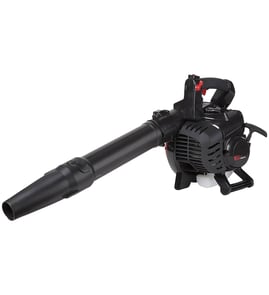




Why are gas-powered leaf blowers bad?
Gas-powered leaf blowers (including the Craftsman 358794744) are often considered “bad” because they can be loud, create dust and flying debris, and expose the operator to exhaust, heat, and vibration during use. Used carelessly, they also disturb neighbors and can be unsafe around people, pets, and windows.
- Noise: High sound levels can bother neighbors; many areas restrict hours of operation.
- Dust and debris: The air stream can kick up dirt and allergens and can send debris toward cars, windows, and bystanders.
- Exhaust exposure: As a gasoline 2-cycle tool, it produces exhaust that you should avoid breathing.
- Vibration and fatigue: Prolonged use of gasoline-powered hand tools can contribute to hand and finger discomfort; take breaks.
- Fuel handling risks: Gasoline storage and refueling add spill and fire risks if handled improperly.
We follow the operating and safety guidance in the owner's manual and these best practices:
- Run it at the lowest throttle that still gets the job done.
- Use rakes and brooms first to loosen debris, then blow.
- In dusty areas, lightly dampen surfaces when water is available.
- Aim the airflow away from people, pets, open windows, and vehicles.
- Operate only at reasonable hours and follow local ordinances.
| Concern | What causes the issue | What helps most |
|---|---|---|
| Noise complaints | High RPM operation | Lower throttle, limited run time |
| Dust clouds | Dry, loose debris | Lightly dampen surfaces, pre-rake |
| Safety issues | Debris thrown at bystanders | Control direction, keep distance |
| Operator discomfort | Long continuous use | Breaks, good grip, avoid cold exposure |
Most complaints about gas blowers come down to noise, dust, and safety around others. Using the right technique reduces disturbance and helps protect your lungs, hands, and property nearby.
Last updated: February 2026
What is the life expectancy of a gas leaf blower?
A gas leaf blower like the Craftsman 358794744 typically lasts about 8 to 10 years with normal homeowner use and consistent maintenance. The biggest life-shorteners are stale fuel, the wrong 2-cycle mix, and running with clogged airflow or a dirty air filter.
Most gas blower/vacuum units fall into these ranges:
| Use pattern | Typical life expectancy | What usually ends its life |
|---|---|---|
| Light seasonal homeowner use | 8 to 10 years | Fuel system issues, carburetor wear |
| Heavy weekly use | 5 to 7 years | Engine wear, vibration damage |
| Poor fuel and skipped maintenance | 2 to 4 years | Scored cylinder, hard-start/no-start |
Our best results come from following the maintenance schedule and fuel guidance in the owner's manual. Focus on these items:
- Mix fresh fuel at the correct 2-cycle ratio (this model specifies 40:1)
- Empty the tank before long storage; avoid stale fuel
- Clean the air filter regularly (the manual calls out frequent cleaning intervals)
- Replace the spark plug yearly
- Replace the fuel filter yearly
- Check muffler mounting screws and other fasteners for looseness before use
These symptoms usually point to fuel delivery, ignition, or internal engine wear:
- Starts only with repeated priming or won’t restart hot
- Surges at idle or dies when you open the throttle
- Noticeable power loss even with clean airflow paths
- Excess vibration or rattling fasteners that won’t stay tight
- Fuel lines that feel stiff, cracked, or wet with fuel
A gas blower’s engine depends on the correct fuel mixture for lubrication. Using straight gas, the wrong oil, or stale fuel accelerates wear and can permanently damage the engine; routine items like air filtration and fastener checks also prevent overheating and vibration-related failures.
Last updated: February 2026
What company makes Craftsman leaf blowers?
Craftsman is a brand name; Craftsman leaf blowers have been made by different manufacturers over the years depending on the model and production run. For your Craftsman model 358794744, the most reliable way to identify the maker and exact specifications is to use the model-specific information in the owner's manual.
We recommend using these checks because Craftsman-branded outdoor power equipment is often produced by an OEM (original equipment manufacturer) and then sold under the Craftsman name.
- Check the data plate and decals on the blower housing for an OEM name or emissions label
- Look in the parts list section of the manual for manufacturer identifiers
- Match the exact model number 358794744 when ordering parts to avoid fit issues
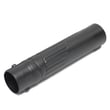
- Use the illustrated parts breakdown to confirm assemblies (fuel system, starter, tubes)
- If you are troubleshooting, use the manual’s troubleshooting table to narrow the system involved
From the documentation for model 358794744, we can confirm key product details that help you match the correct parts and service information.
| Item | Model 358794744 detail |
|---|---|
| Brand on unit | Craftsman |
| Engine type | 25cc, 2-cycle |
| Fuel requirement | Unleaded gas mixed with 2-cycle oil at 40:1 |
| Performance rating | 200 MPH / 430 CFM |
The OEM can vary across Craftsman models, so the safest way to get the right replacement is to shop by the exact model number and then confirm the part in the diagram.
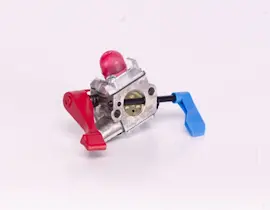
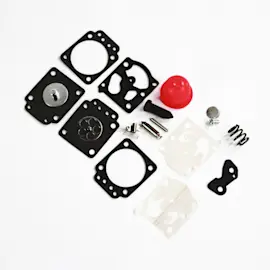
Common wear items for this blower/vacuum include fuel lines and the primer bulb; if you are repairing a fuel delivery issue, start by checking the poulan lawn & garden equipment fuel line, small 530069247 and the ayp leaf blower primer bulb 530035497 for cracks, hardening, or leaks.
Last updated: February 2026
Are gas leaf blowers being phased out?
Yes. Gas leaf blowers are being phased out in many areas through local noise and emissions rules, but it is not a single nationwide ban. Your Craftsman 358794744 can still be used where allowed; always follow local ordinances and the safety guidance in the owner's manual.
Most phase-outs happen at the city or county level and typically focus on when and where gas blowers can be used, not whether you can own one.
Common policy approaches include:
- Seasonal restrictions (for example, summer-only limits)
- Hour-of-day limits (your manual even recommends reasonable hours such as daytime use)
- Noise limits (decibel caps) and enforcement by complaint
- Restrictions for commercial landscaping crews first, then homeowners later
- Sales restrictions on new gas equipment in some states or municipalities
If you plan to keep using your 358794744, these steps help you stay compliant and reduce complaints:
- Operate at the lowest throttle that still does the job
- Use rakes and brooms first to loosen debris
- Avoid blowing toward people, pets, open windows, cars, or loose gravel
- Keep bystanders at least 30 feet away while operating
- Use proper PPE (eye protection, long pants, gloves, boots)
A poorly running 2-cycle engine is louder and smokier, so basic fuel-system upkeep becomes more important.
| Symptom | Common cause | Parts to check for this model |
|---|---|---|
| Hard starting | Cracked primer bulb or air leak | Ayp leaf blower primer bulb 530035497, fuel lines |
| Surging or stalling | Fuel restriction or carb issue | Poulan lawn & garden equipment fuel line, small 530069247, ayp lawn & garden equipment fuel line, large 530069216, ayp lawn and garden equipment engine carburetor assembly 545081855 |
| Won’t shut off | Faulty stop switch | Craftsman, poulan leaf blower start/stop switch kit 545081830 |
Local restrictions can change how often you can use a gas blower and how it must be operated. Keeping your blower tuned and using it responsibly reduces noise, improves performance, and helps you avoid nuisance issues.
Last updated: February 2026
What brand of gas leaf blower is best?
The “best” gas leaf blower brand is the one that matches your workload and comfort needs. For many homeowners, a Craftsman handheld like model 358794744 is a strong choice because it balances usable power with straightforward operation and maintenance; check the owner's manual for the exact performance and operating details.
Different brands tend to shine in different use cases. Focus on measurable performance and serviceability, not just the name.
- Air volume (CFM): higher moves more leaves faster
- Air speed (MPH): higher helps lift wet or stuck debris
- Type: handheld vs backpack vs blower/vacuum combo
- Weight and vibration: affects fatigue on longer jobs
- Parts availability: fuel system and starting parts matter most
| If you need... | Best fit is usually... | Why |
|---|---|---|
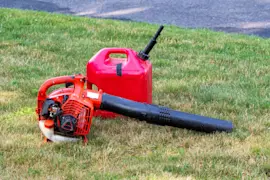
| Small yards, quick cleanup | Handheld gas blower | Light, easy to maneuver |
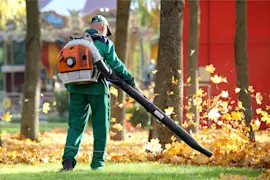
| Long sessions, heavy leaf loads | Backpack blower | More power with less arm fatigue |
| Cleanup plus mulching | Blower/vacuum combo | Vac mode helps collect dry debris |
| Easier starting and fewer fuel issues | Brands with strong carb/fuel support | Less downtime |
Your Craftsman 358794744 is a 2-cycle blower/vac designed for typical residential cleanup. To keep any brand performing its best, we prioritize fuel quality and the fuel delivery system.
Common “best brand” problems are really maintenance problems:
- Old fuel or incorrect 2-cycle mix
- Cracked or soft fuel lines (replace with fuel line, small 530069247 or fuel line, large 530069216 when needed)
- Primer bulb that will not draw fuel (replace with primer bulb 530035497)
- Clogged vacuum path from damp debris (vac mode works best on dry material)
Choosing the right brand and style prevents frustration: the wrong blower can feel underpowered, too heavy, or hard to start. Matching CFM/MPH, weight, and parts support to your yard size gives the best real-world results.
Last updated: February 2026