


What's the best gas leaf blower to buy?
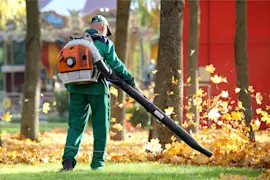
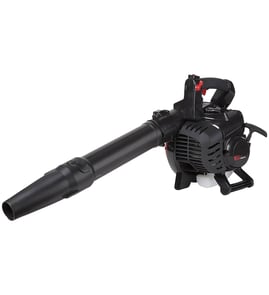
For most homeowners, the “best” gas leaf blower is the one that matches your yard size and debris type: a backpack blower for large areas and heavy, wet leaves; a handheld blower for smaller yards and quick cleanup. Your Mcculloch MB3202 is a backpack-style choice built for longer run times and higher airflow.
How we recommend choosing (what matters most)
- CFM (air volume): Higher CFM moves more leaves at once; it matters most for piles and large areas.
- MPH (air speed): Higher MPH helps lift wet leaves and heavier debris.
- Weight and harness comfort: Backpack padding, hip belt, and balance reduce fatigue.
- Vibration control: Anti-vibration mounts and good harness design help during long sessions.
- Starting and fueling: Easy-start features, primer bulb access, and simple choke controls save time.
Backpack vs handheld: quick comparison
| Type | Best for | Typical tradeoffs |
|---|---|---|
| Backpack blower (like MB3202) | Large properties, long sessions, heavy leaf loads | Heavier, more storage space needed |
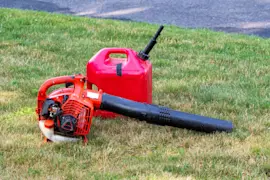
| Handheld blower | Small yards, decks, garage, quick touch-ups | More arm fatigue, usually less airflow |
What to buy based on your situation
- Large yard (lots of trees): Choose a backpack blower with high CFM and a supportive harness.
- Wet leaves and matted debris: Prioritize higher MPH and stable throttle control.
- Noise-sensitive areas: Consider a quieter model and avoid running at full throttle when not needed.
- All-day use: Focus on harness comfort, vibration control, and fuel efficiency.
Why it matters
Buying by “most powerful” alone often leads to an uncomfortable blower that is harder to use. Matching CFM, MPH, and ergonomics to your cleanup routine gets better results with less fatigue and fewer maintenance headaches.
Keep any gas blower running strong
Good maintenance makes almost any quality blower feel “better” over time:
- Use fresh, properly mixed fuel (for 2-cycle engines)
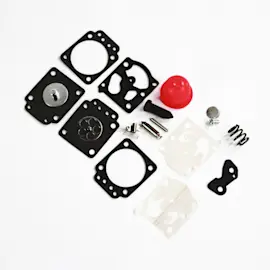
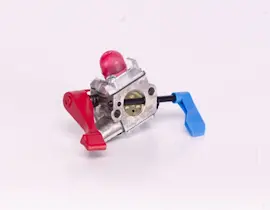
- Replace cracked fuel lines and hardened primer bulbs
- Keep the air filter clean
- Check for fuel leaks before each use
For common performance and reliability issues, use our DIY symptom help: leaf blower symptoms landing page.
Last updated: February 2026
Is a higher mph or CFM better for a leaf blower?
Higher CFM is better when we need to move a lot of leaves fast (volume), and higher MPH is better when we need to break stubborn debris loose or push it across hard surfaces (speed). For a Mcculloch MB3202 backpack blower, the best choice is the balance that matches your yard and cleanup style.
What CFM and MPH actually do
- CFM (cubic feet per minute): how much air the blower moves; best for big piles, wet leaves, and mulch-like debris.
- MPH (miles per hour): how fast the air exits the nozzle; best for stuck leaves, gravel-edge cleanup, and precision.
- They work together: strong performance usually comes from having enough of both, not chasing only one number.
Quick guide: which spec to prioritize
| Your main job | Prioritize | Why |
|---|---|---|
| Clearing large piles on grass | Higher CFM | Moves more material per pass |
| Wet leaves and heavy debris | Higher CFM (plus decent MPH) | Volume keeps debris rolling |
| Leaves stuck to pavement | Higher MPH | Breaks loose and pushes forward |
| Tight corners, beds, and edges | Higher MPH | Better control and direction |
How we recommend choosing for real-world use
- If you mostly clear lawns and big areas, pick the blower with higher CFM.
- If you mostly clean driveways, patios, and sidewalks, pick the blower with higher MPH.
- If you do both, choose a model with a strong mid-to-high CFM and solid MPH, then rely on nozzle technique for control.
- If your blower feels weak even with good specs, check for common issues like air leaks, fuel problems, or a dirty spark arrestor; our leaf blower running rough guide helps narrow it down.
Why it matters
CFM affects how quickly we can finish the job, while MPH affects how clean the surface looks at the end. Matching the spec to the surface (grass vs. pavement) prevents wasted time and reduces strain on the engine.
Last updated: February 2026
How long does a gas leaf blower last?
A Mcculloch MB3202 gas backpack blower typically lasts about 10 years with normal homeowner use and consistent maintenance (fresh fuel mix, clean air filter, and periodic fuel-system service). Heavy use, stale fuel, and overheating are the biggest life-shorteners.
Typical lifespan and what changes it
Most gas leaf blowers fall into a predictable range based on use and care:
- Light seasonal use: about 10+ years
- Weekly use (most of the year): about 6 to 10 years
- Commercial or daily use: about 3 to 6 years
- Poor fuel practices (old fuel, wrong mix): can cut life to 1 to 3 years
Maintenance that extends life the most
These habits usually make the biggest difference on a 2-cycle gas blower like the MB3202:
- Use fresh, properly mixed 2-cycle fuel and do not store it for long periods
- Clean or replace the air filter regularly
- Keep the cooling fins and air passages clear to prevent overheating
- Inspect and replace fuel lines when they get hard, cracked, or loose
- Replace a worn spark plug on schedule
For step-by-step upkeep routines, use our guide: easy steps for maintaining a leaf blower.
Quick “is it near end of life?” checklist
If you see several of these at once, the blower is usually nearing a major service point (carburetor/fuel system, ignition, or internal wear):
| Symptom | Most common cause | What we recommend first |
|---|---|---|
| Hard starting after storage | Stale fuel, gummed carburetor | Drain/refresh fuel; inspect fuel lines |
| Runs rough or surges | Dirty carburetor, air leak | Check filter; fuel line condition |
| Loses power under load | Restricted exhaust, fuel delivery issue | Clean air path; verify fuel flow |
| Fuel smell or wet spots | Leaking fuel line/tank grommet | Stop use; repair leak before running |
If fuel leakage is part of the issue, follow: leaf blower leaking gas.
Why it matters
A gas blower that is maintained tends to fail gradually (hard starts, rough running, fuel leaks) instead of suddenly. Catching fuel-system wear early helps prevent no-start problems and reduces the chance of damaging the engine from running lean or overheating.
Last updated: February 2026