Owner’s manual
 View engine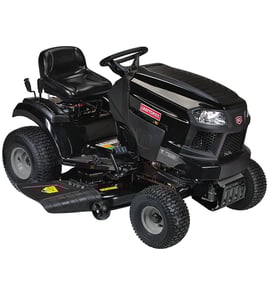



How much does it cost to replace a riding lawn mower engine?
For a Craftsman riding tractor like model 917257740, a complete engine replacement (parts plus labor) typically runs about $260 to $1,800 installed, with around 6 labor hours common for a riding mower engine swap. Confirm your exact engine spec and mounting details in the 917257740 owner's manual.
What drives the total cost
- Engine type and horsepower (single-cylinder vs V-twin, OEM vs aftermarket)
- Labor rate at the shop and whether pickup/delivery is included
- Extra parts needed during the swap (belts, wiring repairs, fuel line parts)
- Condition of the tractor (rusted fasteners, damaged pulleys, worn mounts)
- Why the engine failed (overheating, low oil, fuel contamination)
Typical cost breakdown (what you are paying for)
| Cost item | Typical range | Notes |
|---|---|---|
| Replacement engine | $200 to $1,400 | Biggest variable; OEM-style engines cost more |
| Labor (riding mower) | $300 to $900 | Often based on ~6 hours plus shop supplies |
| Misc. parts/fluids | $20 to $200 | Oil, filter, clamps, hardware, belts as needed |
Before you replace the engine, check these common “no-start” causes
Many “dead engine” symptoms are actually battery, fuel, or safety circuit issues.
- Battery charge and cable connections
- Safety interlock switches (seat, brake, PTO)
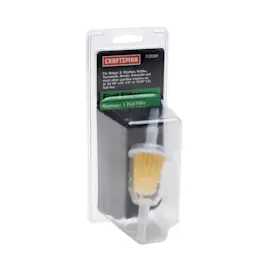
- Fuel quality (stale fuel, water in fuel) and fuel filter
- Spark plug condition and plug wire connection
- Air filter restriction and cooling fin debris
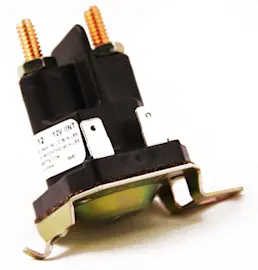
If the engine clicks but will not crank, use the steps in riding lawn mower engine clicks but doesnt turn over video to rule out battery, solenoid, and starter issues first.
Why it matters
An engine swap is one of the highest-cost repairs on a riding mower. Verifying the real failure (fuel, ignition, wiring, or mechanical damage) helps you avoid replacing an engine when a lower-cost fix would restore reliable starting and mowing power.
Last updated: February 2026
How to put a belt back on a CRAFTSMAN riding lawn mower?
On the Craftsman 917257740 riding lawn mower, putting the belt back on means routing it through the correct pulley grooves and belt keepers, then restoring idler tension. Use the routing diagrams and steps in the 917257740 owner's manual so the belt sits in every pulley groove before you run the deck.
Before you start (safety and setup)
- Park on a level surface and engage the parking brake.
- Remove the key and disconnect the spark plug wire.
- Let the engine and muffler cool completely.
- Clean grass and debris off the top of the mower deck and around mandrels.
- Confirm you are reinstalling the correct belt (mower deck belt vs motion drive belt).
Mower deck (blade) belt: basic reinstall checklist
These steps match the manual’s “mower drive belt installation” guidance.
- Route the belt around the mandrel pulleys and idler pulleys exactly as shown.
- Make sure the belt is inside all belt keepers (guides) at the idlers.
- Install the belt onto the electric clutch pulley groove.
- Remove any block used to hold the idler forward, then let the idler apply tension.
- Reinstall any mandrel covers you removed.
Helpful parts that commonly relate to belt issues
If the belt keeps coming off, inspect the idler pulley and belt condition.
| What to check | What you’re looking for | Common fix |
|---|---|---|
| Belt condition | Cracks, glazing, stretched belt | Replace belt |
| Idler pulley | Wobble, noise, seized bearing | Replace pulley |
| Belt keepers | Bent, rubbing belt, missing hardware | Re-bend/secure |
Relevant parts for this model include the lawn tractor drive belt 532138255 and lawn tractor idler pulley 532139245.
Motion drive belt (ground drive) routing notes
If you mean the belt that drives the tractor (not the blades), the manual routes the belt onto the engine pulley and front V-idler first, then onto the clutching idlers, and finally around the transaxle pulley. Keep the belt on the correct side of every belt keeper before reinstalling the mower drive belt onto the clutch pulley.
Why it matters
Correct routing prevents the belt from jumping off, reduces premature belt wear, and keeps the electric clutch and idlers from overheating due to misalignment or rubbing.
Last updated: February 2026
Which side of belt goes against pulley on mower deck?
On the Craftsman 917257740 mower deck, the V-shaped side of the belt rides down in the V-grooves of the mandrel and idler pulleys; the flat side only runs on any flat idler (if equipped). After routing, confirm the belt is seated in every pulley groove.
Quick rule for belt orientation
- V side into V-groove pulleys (most deck pulleys are grooved)
- Flat side against a flat idler pulley (if your deck uses one)
- The belt must sit fully down in the pulley groove, not riding on the rim
- Keep the belt inside all belt keepers/guards so it cannot jump off
- Rotate the pulleys by hand to verify the belt tracks smoothly before mowing
What the 917257740 manual calls out
When installing the mower and drive belt, the manual emphasizes correct routing: check belt for proper routing in all mower pulley grooves and install the belt into the electric clutch pulley groove. Use the diagram and steps in the owner's manual to match your exact deck layout.
How to verify you have it routed correctly (fast check)
- Park on a level surface, set the parking brake, and remove the key.
- With the engine off, look at each deck pulley:
- If it has a V groove, the V side of the belt must be in it.
- If it is flat, the flat side of the belt should contact it.
- Make sure the belt is not twisted between the L.H., center, and R.H. mandrel pulleys.
- Re-tension the idler and recheck that the belt stayed in all grooves.
Common symptoms and what they usually mean
| Symptom | Most likely cause | What to check |
|---|---|---|
| Belt squeals or smokes | Belt not seated in groove | Re-seat belt in each mandrel pulley groove |
| Blades engage but cut is weak | Belt slipping, wrong routing | Verify idler routing and belt keepers |
| Belt jumps off quickly | Misrouted around idler/keepers | Confirm belt is on correct side of keepers |
Why it matters
Correct belt orientation prevents rapid belt wear, blade speed loss, and repeated belt throw-off. A belt riding on the edge of a pulley can also damage pulley grooves and idler components.
Last updated: February 2026
How to tension a drive belt?
On the Craftsman 917257740 lawn tractor, drive belt tension is controlled by the spring-loaded idler system, not by prying on the belt. The correct “tensioning” is making sure the belt is routed correctly in every pulley groove and inside every belt keeper (see the 917257740 owner's manual).
Safe setup
- Park on a level surface.
- Engage the parking brake.
- Remove the key.
- Disconnect the spark plug wire.
- Let the engine and muffler cool.
What to check first (this fixes most “loose belt” issues)
- Belt fully seated in all pulley grooves.
- Belt routed inside all belt keepers.
- Idler arm moves freely through its travel.
- Idler pulleys spin freely (no wobble, grinding, or binding).
- Idler spring is securely hooked to the idler arm and its anchor point.
Tensioning steps by belt type
| Belt you mean | What you do to restore correct tension | Key detail |
|---|---|---|
| Motion (ground drive) belt | Route belt correctly around engine pulley, V-idler, clutching idlers, and transaxle pulley | Parking brake creates slack during install; then the idler spring takes over |
| Mower (blade) drive belt | Relieve idler tension to install, then confirm belt is in both idlers and both keepers | Release the idler so the spring applies operating tension |
When replacement is the real fix
Replace the belt if it is glazed, cracked, stretched, or contaminated with oil. For this model, a common ground drive belt option is the lawn tractor drive belt 532138255.
Why it matters
Correct belt tension prevents slipping, belt squeal, burning rubber smell, and premature wear on idlers and the electric clutch pulley.
Last updated: February 2026
What engine does Craftsman riding mower use?
The Craftsman riding mower model 917257740 uses a gasoline engine; the exact engine make, model, and spec are identified on the engine itself and in the parts listings for this tractor. We use those ID numbers to match the correct tune-up and repair parts.
How to identify the exact engine on model 917257740
Use these checks so you get the right engine parts the first time:
- Find the engine ID label on the blower housing, valve cover, or near the starter
- Record the engine model, type/spec, and code/serial numbers
- Match those numbers to the engine section in the 917257740 owner's manual
- Use the engine ID numbers when selecting parts like spark plugs, air filters, and fuel filters
- If the label is missing, compare the engine layout (carburetor location, air cleaner style, muffler) to the diagrams
What to expect on this tractor platform
Craftsman 917-series front-engine lawn tractors commonly use 4-cycle, air-cooled gasoline engines; many are V-twin (2-cylinder) designs, depending on the specific build and engine spec installed.
| Engine detail | What to use for an exact match | What is typical on similar tractors |
|---|---|---|
| Manufacturer and model | Engine ID label and manual parts list | Briggs & Stratton, Kohler, or similar |
| Cylinders | Engine ID label | Often 2-cylinder (V-twin) |
| Starting system | Tractor wiring and starter setup | 12V electric start |
Why it matters
Engine identification prevents wrong-part returns and speeds up troubleshooting. For example, a crank-no-start can be caused by stale fuel, a dirty air filter, or ignition issues; the correct parts depend on the exact engine spec.
Related DIY help for common engine symptoms
- Follow riding lawn mower engine spins but wont start video for a no-start diagnostic sequence
- Use how to tune up a riding lawn mower video to cover routine maintenance items
- Check the manual troubleshooting chart for fuel, air, and spark basics
Last updated: February 2026