View engine




Can you put 87 gas in a pressure washer?
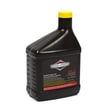
Yes. For the Craftsman CMXGWAS020733 gas pressure washer, regular unleaded gasoline with an 87 octane rating is the standard, correct fuel for normal operation. Use fresh fuel and avoid old or contaminated gas to prevent hard starting and rough running.
Fuel guidelines we recommend
- Use regular unleaded gasoline (87 octane).
- Use fresh fuel; don’t store gasoline in the tank for long periods.
- Keep the fuel container clean and sealed to prevent water contamination.
- Do not mix oil into the gasoline unless your engine specifically requires a fuel mix (most pressure washer engines are 4-cycle and use separate engine oil).
- If your unit will sit, drain the tank or treat fuel with a stabilizer.
When higher octane helps (and when it doesn’t)
Higher octane (88 to 93) usually won’t add power or cleaning performance in a small pressure washer engine; it mainly helps prevent knock in engines that require it.
| Fuel choice | OK to use? | What to expect |
|---|---|---|
| 87 octane regular unleaded | Yes | Best everyday option |
| 88 to 93 octane unleaded | Usually yes | Typically no performance gain |
| Old gas (months old) | No | Hard starting, surging, stalling |
| Gas with water/debris | No | Poor running, carburetor issues |
Why it matters
Using the right gasoline helps the CMXGWAS020733 start easily, run smoothly under load, and reduces the chance of fuel-system problems that can lead to loss of pressure or engine surging.
Related parts that can be affected by fuel and storage
Fuel issues often show up as “engine runs but pressure is weak” because the pump cannot maintain speed under load. If you’re also chasing a pressure problem, inspect the pump and water-side components for restrictions or leaks.
- Check the inlet water supply and spray nozzle for blockage.
- Inspect the high-pressure hose for kinks or internal damage.
- Verify fittings are tight and not drawing air.
If you’re troubleshooting water delivery or leaks, the briggs & statton hose 84006753 is one compatible water hose option for this model.
Last updated: January 2026
How do you adjust the pressure on a gas pressure washer?
On the Craftsman CMXGWAS020733 gas pressure washer, you typically adjust cleaning pressure by changing the spray tip (nozzle angle) and controlling water flow at the trigger gun; many consumer units do not use a true “pressure regulator” knob. If pressure will not change or seems stuck low, a nozzle or pump-side restriction is more likely than an adjustment setting.
How to change pressure safely (what we recommend)
- Shut the engine off before swapping nozzles or disconnecting hoses.
- Relieve pressure by squeezing the trigger until flow stops.
- Use a wider spray pattern for lower pressure and a narrower pattern for higher pressure.
- Keep the nozzle moving and start farther from the surface, then move closer.
- Avoid “choking” the water supply; low inlet flow can cause surging and weak pressure.
Nozzle selection: quick guide
If your CMXGWAS020733 uses quick-connect tips, the tip choice is the main “pressure adjustment.”
| Tip / pattern | Typical use | Relative pressure |
|---|---|---|
| White (wide fan) | Rinsing, delicate surfaces | Low |
| Yellow (narrow fan) | Concrete, tough grime | Higher |
| Soap/chemical (low pressure) | Applying detergent | Lowest |
For a compatible tip option, see the pressure washer spray nozzle (yellow) 195983AFGS.
If pressure is too low even with the right nozzle
These checks solve most “no pressure” or “low pressure” complaints:
- Clogged nozzle: remove and rinse; clear the orifice with a soft tool (do not enlarge it).
- Air in the pump: run water through with engine off, trigger held, until flow is steady.
- Kinked or collapsing supply hose: verify strong, steady inlet water.
- High-pressure hose issue: inspect for internal damage or leaks; replace if needed (example: briggs & statton hose 84006753).
- Pump valve issue: if pressure pulses or won’t build, the pump valves may need service (example: pressure washer pump valve plug kit 317057GS).
Why it matters
Correct “pressure adjustment” prevents surface damage (wood, paint, seals) and reduces pump strain. Using the right nozzle and maintaining steady water flow is the safest way to control PSI on most Craftsman gas pressure washers.
Last updated: January 2026
What is a good PSI for a gas pressure washer?
For a Craftsman CMXGWAS020733 gas pressure washer, a good PSI for most home cleaning is typically 1,300 to 2,800 PSI. Use the lowest pressure that gets the job done to help avoid damaging paint, wood, siding, and concrete.
Quick PSI guide by task
- 1,300 to 2,000 PSI: cars, patio furniture, grills, delicate surfaces
- 2,000 to 2,800 PSI: siding, decks (use care), driveways with light staining
- 2,800 to 3,500 PSI: heavy-duty concrete and tough grime (higher risk of etching)
- 3,500+ PSI: pro-level work; easy to damage surfaces without the right technique
PSI vs GPM (what to prioritize)
We cannot confirm the exact GPM rating for the CMXGWAS020733 from the model-specific information available here, but the relationship is consistent across gas pressure washers: PSI is impact force; GPM is rinsing and speed.
| Cleaning goal | Prioritize | Why it matters |
|---|---|---|
| Safer cleaning on paint and wood | Lower PSI + wider spray | Reduces gouging and stripping |
| Faster cleaning on large areas | Higher GPM | Flushes dirt away quicker |
| Concrete stains | Moderate-high PSI + technique | Too much PSI can etch |
Nozzle, hose, and technique matter as much as PSI
- Start with a wider spray pattern and test a small area first
- Keep the wand moving; do not dwell in one spot
- Begin 2 to 3 feet away, then move closer only as needed
- If pressure surges, check for air leaks at fittings and ensure full water supply
- A leaking or kinked hose can reduce performance and strain the pump; replace if damaged (example: briggs & statton hose 84006753)
Why it matters
Using more PSI than necessary can strip paint, splinter wood, force water behind siding, and shorten pump life. Matching PSI, nozzle choice, and distance helps your Craftsman CMXGWAS020733 clean effectively while protecting surfaces.
Last updated: January 2026