




What size chain does a Poulan P3816 take?
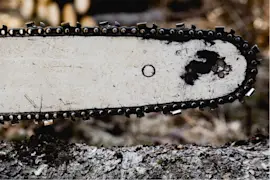
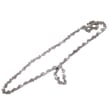
For the Poulan P3816 chainsaw, the correct chain size is a 16-inch chain. To avoid fit and cutting issues, match the chain to the bar length and confirm the pitch, gauge, and drive link count before ordering.
A “16-inch chain” is only the starting point. We recommend matching these specs:
- Bar length: 16 in
- Pitch: commonly 3/8 in low profile on homeowner saws
- Gauge: commonly .050 in
- Drive links: varies by bar and sprocket setup
Use one of these checks so you get the right fit the first time:
- Read the numbers stamped on the guide bar (often lists pitch, gauge, and drive links)
- Match the chain currently on the saw (count drive links if needed)
- If the chain is worn or missing, verify the bar and sprocket type before buying
If the chain is incorrect, you will usually notice one or more of these:
- Chain will not tension correctly (too loose or too tight)
- Chain rides high or binds in the bar groove
- Chain slips on the sprocket or chatters while cutting
- Excessive heat, smoke, or rapid dulling
| Spec | What it affects | What to do |
|---|---|---|
| Bar length (16 in) | Overall cutting length | Match the bar length first |
| Pitch | Sprocket compatibility | Match bar and sprocket pitch |
| Gauge | Fit in bar groove | Match the bar groove width |
| Drive links | Exact loop length | Count links or read bar stamp |
Using the correct chain size on your Poulan P3816 helps the chain tension properly, reduces wear on the clutch and bar, and improves cutting performance and safety. For safe handling practices while cutting, follow how to prevent chainsaw injuries.
Last updated: January 2026
What is the fuel mixture for a Poulan P3816?
For the Poulan P3816 gas chainsaw, we use a 40:1 fuel-to-2-cycle oil mix (40 parts fresh gasoline to 1 part 2-cycle engine oil). Mix it in an approved fuel can before filling the tank, and use fresh fuel for the most reliable starting and power.
| Gasoline amount | 2-cycle oil needed |
|---|---|
| 1 gallon | 3.2 fl oz |
| 1/2 gallon | 1.6 fl oz |
| 1 liter | 25 ml |
| 5 liters | 125 ml |
- Use fresh, unleaded gasoline and quality 2-cycle oil intended for air-cooled engines.
- Measure oil first, then add gasoline; cap the can and shake to blend.
- Fill the saw on a cool engine, on level ground, away from ignition sources.
- If the saw has been sitting, empty old mix and refill with fresh mix.
- If you notice fuel seepage or a loose seal, inspect the cap and fuel lines.
A correct 40:1 mix protects the P3816 engine from scoring and overheating while keeping carbon buildup under control. Too little oil can damage the piston and cylinder; too much oil can foul the spark plug and make the saw run smoky and sluggish.
If the P3816 runs rough, won’t start, or leaks fuel even with the right mix, these parts are common culprits:
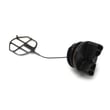
- Fuel cap assembly 580940901 (won’t seal, venting issues, fuel smell)
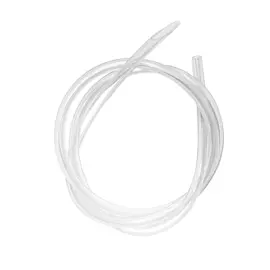
- Ayp lawn & garden equipment fuel line, large 530069216 (cracked line, air leaks, fuel leaks)
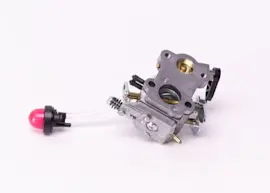
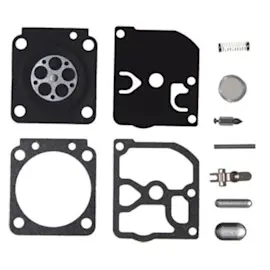
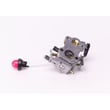
- Ayp chainsaw carburetor 545070601 (gummed jets/diaphragms from old fuel)
For step-by-step troubleshooting, use our tips for a hard to start chainsaw guide.
Last updated: January 2026
What are the common problems with Poulan chainsaws?
Poulan P3816 chainsaw problems most often trace back to fuel and airflow issues after storage: stale fuel gums the carburetor, fuel lines crack or leak, and the air filter or spark arrestor plugs up. Ignition and clutch/chain-brake issues are also common.
- Won’t start or only starts on choke: varnished carburetor passages, air leak, weak spark.
- Starts then dies when you throttle: restricted fuel flow, dirty air filter, carb out of tune.
- Runs rough or surges: air leak at fuel line/fitting, clogged carb screen, dirty spark arrestor.
- Leaks gas: cracked fuel line, loose fuel line fitting, damaged fuel cap seal.
- Chain won’t move or slips: worn clutch or clutch drum, chain brake partially engaged.
- Hard pull-start or recoil issues: worn starter pulley or spring.
- Use fresh, properly mixed fuel (old fuel is the #1 cause after storage).
- Inspect fuel system: look for wet spots, cracked lines, loose connections.
- Check airflow: clean/replace the air filter and clear debris from cooling fins.
- Check exhaust restriction: clean the spark arrestor screen if carboned up.
- Verify chain brake and clutch operation: brake fully off; drum spins freely by hand (engine off).
| Symptom | Likely area | Example part for this model |
|---|---|---|
| Won’t start, dies, surges | Fuel delivery | Ayp lawn & garden equipment fuel line, large 530069216 |
| Fuel smell or wet tank area | Cap/venting | Fuel cap assembly 580940901 |
| Runs rich, bogs, poor throttle | Airflow | Mcculloch lawn & garden equipment engine air filter 530057925 |
| Won’t idle or won’t rev cleanly | Carburetion | Ayp chainsaw carburetor 545070601 |
A small fuel restriction or air leak can make a 2-cycle engine run lean, which raises engine temperature and accelerates wear. Fixing fuel line leaks, keeping the air filter clean, and addressing exhaust restriction helps your Poulan P3816 start easier and run more consistently.
Last updated: January 2026