Owner’s manual
 View engine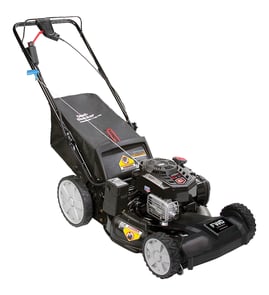




What are the common problems with Craftsman lawn mowers?
Common problems we see on Craftsman walk-behind mowers like model 917376523 include hard starting or stalling, poor cut quality, excessive vibration, and self-propel drive issues (won’t move or slips). For model-specific maintenance and adjustments, use the 917376523 owner's manual.
Most common issues (and what they usually point to)
- Won’t start / starts then dies: stale fuel, dirty carburetor, fouled spark plug, clogged air filter
- Runs rough / surges: restricted fuel flow, dirty carburetor jets, air leak at intake
- Cuts unevenly / leaves strips: dull or bent blade, deck packed with wet grass, incorrect cutting height
- Excessive vibration: blade damage, loose blade hardware, blade adapter wear
- Self-propel won’t move or is weak: worn drive belt, stretched cable, worn drive wheel or transmission components
Quick checks we recommend first
- Disconnect the spark plug wire before inspecting the blade or underside.
- Drain old gas and refill with fresh fuel (especially after storage).
- Check the blade for damage and tightness; inspect the adapter.
- If the mower is self-propelled, check belt condition and cable tension.
Parts that commonly relate to these symptoms
| Symptom | Common wear area | Example part for 917376523 |
|---|---|---|
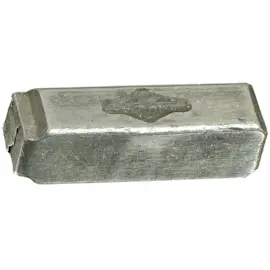
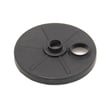
| Vibration or poor cut | Blade mounting and blade condition | Lawn mower blade adapter 532421176 |
| Won’t move / weak drive | Ground drive system | Lawn mower ground drive belt, 3/8 x 32-1/2-in 532175436 |
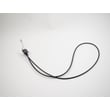
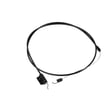
| Drive engagement feels off | Drive control linkage | Lawn mower drive control cable 532194653 |
Why it matters
Catching blade, belt, and cable wear early helps protect the crankshaft and drive system, improves cut quality, and reduces vibration that can loosen fasteners over time.
Helpful DIY guidance
- Lawn mower wont start troubleshooting video fuel ignition and compression
- Lawn mower wont move troubleshooting video motion drive failure
- How to sharpen a lawn mower blade
Last updated: January 2026
What model number is a Craftsman 6.75 lawn mower?
A “Craftsman 6.75” label usually refers to the engine series, not a single mower model number. The model number is printed on the mower’s ID tag (often on the rear of the deck or near the handle mount) and will look like a 9-digit number such as 917.XXXXXX; for this parts page, the model is Craftsman 917376523.
Where to find the model number on your mower
Check these common ID-tag locations on Craftsman walk-behind mowers:
- Rear of the mower deck (near the discharge opening or rear flap)
- Top of the deck near the engine mounting area
- Side of the deck near a wheel height adjuster
- Handle bracket area (where the handle bolts to the deck)
- Under the grass bag door area (rear-bag models)
“6.75” vs. the mower model number (what’s the difference?)
“6.75” is commonly used to describe the engine family/series, while the mower model number identifies the complete machine (deck, drive system, handle, wheels, and controls). Use the mower model number to match parts like blades, belts, and drive cables.
| What you see | What it identifies | What to use it for |
|---|---|---|
| 6.75 (engine marking) | Engine series/family | Engine tune-up parts and engine reference |
| 917.XXXXXX (mower tag) | Complete mower model | Correct mower parts and diagrams |
Why it matters
Using the correct model number prevents ordering the wrong blade, drive belt, or control cable. Even mowers with the same “6.75” engine can use different decks and drive systems.
Helpful next steps
- Match the full model number from the ID tag to the parts list (example: 917376523)
- Use the diagrams in the 917376523 owner’s manual to confirm part locations
- If you are replacing common wear items, compare your existing part to the listing before ordering
Last updated: January 2026
What is the average lifespan of 917376523?
A Craftsman rotary walk-behind mower like model 917376523 typically lasts 8 to 12 years with normal residential use and routine maintenance (cleaning, blade care, belt checks, and proper storage). Consistent upkeep usually matters more than hours alone.
What most affects lifespan
- Maintenance frequency: oil changes, air filter service, spark plug replacement
- Blade condition: a bent or dull blade increases vibration and engine load
- Drive system wear: belt, wheels, and transmission components on self-propelled units
- Storage: dry storage and fuel stabilization during off-season
- Operating conditions: sandy soil, steep hills, and heavy weekly mowing shorten life
Quick maintenance schedule (typical)
Use your 917376523 owner's manual for the exact intervals and procedures.
| Task | Typical interval | Why it matters |
|---|---|---|
| Check engine oil | Every use | Prevents rapid engine wear |
| Clean deck underside | Every use or weekly | Reduces corrosion, improves cut |
| Sharpen/replace blade | 1 to 2 times per season | Protects engine, improves cut quality |
| Inspect drive belt and wheels | Monthly | Prevents loss of self-propel function |
Parts that commonly drive “end of life” decisions
If the mower still starts and runs well, replacing wear parts often restores performance.
- Lawn mower ground drive belt, 3/8 x 32-1/2-in 532175436 if self-propel slips or stops pulling
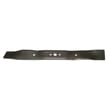
- Husqvarna lawn mower 21-in deck 3-in-1 blade 532189028 if the cut is ragged or vibration increases
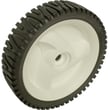
- Lawn mower drive wheel 532403111 if traction is poor or the wheel gear is worn
- Lawn mower blade adapter 532421176 if the blade won’t stay tight or the adapter is damaged
Why it matters
Knowing the expected lifespan helps you decide whether to tune up (blade, belt, wheels) or plan for replacement. For model 917376523, a few targeted repairs often add multiple seasons of reliable mowing.
Last updated: March 2026