- Kenmore refrigerator water filters
- Whirlpool refrigerator water filters
- Samsung refrigerator water filters
- GE refrigerator water filters
- LG refrigerator water filters
- Frigidaire refrigerator water filters
- KitchenAid refrigerator water filters
- Maytag refrigerator water filters
- Kenmore Elite refrigerator water filters
- Estate refrigerator water filters
- GE Profile refrigerator water filters
- Amana refrigerator water filters
- Bosch refrigerator water filters
- Dacor refrigerator water filters
- Electrolux refrigerator water filters
Top DIY repair help
View All Repair Categories
Appliances
Lawn & Garden
Power Tools
Home Improvement
Sports & Leisure
Heating & Cooling
How to sharpen a lawn mower blade
less than a minute readJul 14Lyle Weischwill
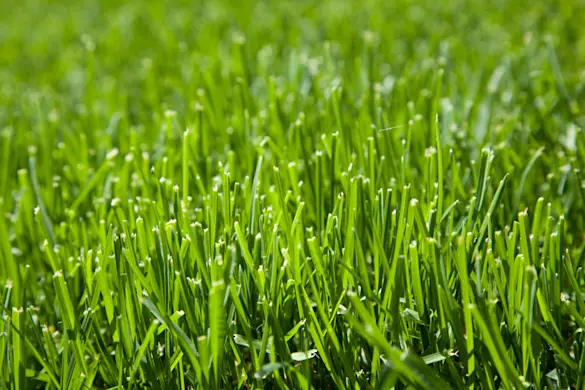
A sharp lawn mower blade slices cleanly through grass, giving your yard a tidy, healthy look. But a dull blade? That leaves behind shredded, brown-tipped grass that looks more like it got chewed than cut.
Luckily, sharpening a mower blade is easier than you might think, especially if the blade isn’t bent or chipped. Whether you’re using a metal file or an angle grinder, we’ll walk you through the safest and most effective ways to get your blade cutting clean again.
Pro tip: If the blade is severely nicked, bent, or cracked, don’t sharpen it. Instead, replace the blade on a walk-behind mower or replace the blade on a riding mower. You’ll find a wide selection of mower blades to fit your model.
What you'll need
Socket wrench or breaker bar
Blade removal tool (optional but helpful)
Wood block (to stop the blade from turning)
Work gloves and safety glasses
Metal file or angle grinder
Vise or sturdy clamp
Torque wrench
Nail (for balance check)
Blade balancer tool (optional)
Step 1: Disconnect power and remove the blade
For gas-powered mowers, disconnect the spark plug wire to prevent accidental starts. Then tip the mower on its side with the air filter and carburetor facing up to avoid fuel or oil spills.
For electric mowers, remove the battery or unplug it.
Wedge a block of wood between the blade and mower deck to hold the blade steady. Then use a socket wrench to remove the blade bolt. A blade removal tool can make this step easier.
Inspect the bolt; if it’s worn or stripped, replace it with a manufacturer-approved part.
Step 2: Choose your sharpening method
Now that the blade’s off the mower, it’s time to decide how you want to sharpen it. You’ve got options; sharpening by hand with a file is simple and safe, while using a power tool like an angle grinder is faster and ideal for very dull blades. The right method depends on your tools, your comfort level, and how much material the blade needs removed.
Whichever method you choose, always follow the blade’s original angle and remove just enough material to restore a clean cutting edge.
Sharpening by hand with a metal file
Sharpening with a file is a tried-and-true method that gives you control over how much material you remove. It’s a good choice if your blade is only slightly dull and you want to avoid the noise, speed, and heat of power tools. This method is quiet, precise, and safer for first-time DIYers.
Clamp the blade in a vise with the cutting edge facing up.
Using a metal file, follow the existing angle (typically 30 to 45 degrees) and stroke in one direction, away from you. Filing in a back-and-forth motion can dull the edge and wear out your file faster.
Count your strokes on the first side, then match that number on the opposite side to keep the blade balanced.
Don’t over-sharpen. You’re aiming for a smooth, straight cutting edge, not a razor-sharp one (which can dull quickly and chip more easily).
How to sharpen a mower blade with an angle grinder
If your blade is heavily dulled or nicked, sharpening it with an angle grinder can be fast and effective. This method removes material quickly and works well when the cutting edge needs more than a light touch-up.
Secure the blade in a vise with the cutting edge facing up.
Wear safety goggles and gloves to protect yourself from sparks and flying metal.
Use a 60- to 80-grit flap disc and position the grinder at the same angle as the existing cutting edge (usually 30 to 45 degrees).
Grind gently and steadily, following the shape and angle of the edge while keeping the grinder moving at all times.
Important: Angle grinders generate a lot of heat. If you dwell too long in one spot, you can overheat the blade and ruin the temper, making it softer and more prone to dulling quickly. Remove small amounts of metal at a time and check your progress frequently to avoid over-grinding.
This method can make quick work of a dull blade, but it requires care and a steady hand to keep the blade both sharp and balanced.
Step 3: Balance the blade
After sharpening, it’s important to make sure your mower blade is balanced. Even if one side is just slightly heavier than the other, an unbalanced blade can cause excessive vibration, put unnecessary strain on the engine, and lead to uneven mowing results. Over time, it can also wear out the mower’s bearings and mounting hardware.
Balancing takes only a few minutes and can help extend the life of both your mower and the newly sharpened blade.
Here’s how to check blade balance with a simple method:
Drive a nail or sturdy screw horizontally into a wall or board, leaving about an inch sticking out.
Hang the blade on the nail through its center hole so the blade itself is horizontal.
Watch how the blade settles. If one side dips down, that end is heavier.
Carefully remove a bit more metal from the heavier end, then rehang and recheck the balance. Repeat until the blade stays level.
You can also use a blade balancer tool for more precise results, but the nail method works well for most DIY sharpening jobs.
Step 4: Reinstall the blade
Once your mower blade is sharpened and balanced, it’s time to put it back to work. Reinstalling the blade properly is just as important as sharpening it. Incorrect installation can lead to poor cutting performance or even safety hazards.
Follow these steps:
Position the blade correctly under the mower deck. Make sure the cutting edges are facing in the direction of blade rotation (usually clockwise when viewed from below).
Insert the blade bolt and washer. If your bolt is worn or damaged, replace it with a manufacturer-approved part. Blade bolts are specially hardened and designed to stay tight under stress.
Tighten the bolt using a torque wrench to the specification listed in your owner’s manual. Most walk-behind and riding mowers require 45–55 ft-lbs of torque. Over-tightening can strip threads; under-tightening can let the blade come loose.
Remove any blocks or tools from under the mower, then carefully lower it back down.
Reconnect the spark plug wire or reinstall the battery, depending on your mower type.
After reinstalling the blade, give the mower a quick visual inspection. Spin the blade by hand (with the spark plug still disconnected) to make sure it rotates freely and doesn’t wobble.
How often should you sharpen a lawn mower blade?
Sharpen the blade at least once a season. Sharpen it more often if you mow frequently, hit rocks, or notice ragged grass tips. Regular sharpening not only improves your lawn’s appearance but also reduces strain on your mower.
Not ready to sharpen? Consider replacing the blade
Sharpening is great for light wear, but some blades are better off replaced—especially if they’re bent, cracked, or worn thin.
Check out our selection of mower blades to find one that fits your model, or follow our guides to replace the blade on a walk-behind mower or replace the blade on a riding mower.
Final tip: Keep it clean
After each mow, take a moment to brush off grass and debris from the blade and mower deck. Keeping things clean helps prevent corrosion and keeps your blade sharper, longer.