- Kenmore refrigerator water filters
- Whirlpool refrigerator water filters
- Samsung refrigerator water filters
- GE refrigerator water filters
- LG refrigerator water filters
- Frigidaire refrigerator water filters
- KitchenAid refrigerator water filters
- Maytag refrigerator water filters
- Kenmore Elite refrigerator water filters
- Estate refrigerator water filters
- GE Profile refrigerator water filters
- Amana refrigerator water filters
- Bosch refrigerator water filters
- Dacor refrigerator water filters
- Electrolux refrigerator water filters
Top DIY repair help
View All Repair Categories
Appliances
Lawn & Garden
Power Tools
Home Improvement
Sports & Leisure
Heating & Cooling
The best time of day to mow grass (and when you should absolutely not)
less than a minute readApr 07Kim Hillegass
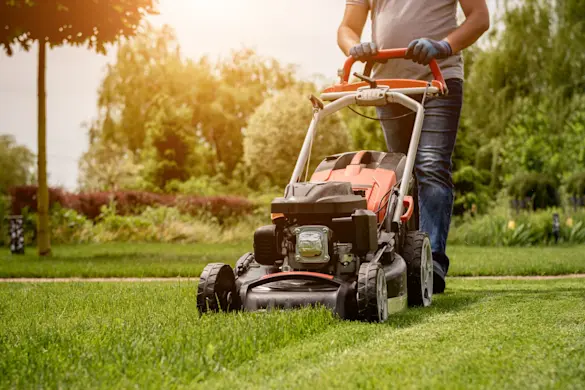
You've got a lawn, a mower, and maybe even some motivation. But before you fire up the mower at sunrise like a suburban rooster, let's talk timing. The best time of day to mow grass can make a big difference in how your yard looks—and how much effort you need to keep it that way.
The best time of day to mow grass
Sure, grass doesn't come with an instruction manual, but mowing at the right time helps it grow thicker, stay healthier, and makes your life easier in the long run. Let's break down the daily mowing timeline.
Early morning — is it too soon?
Yes. It's too soon. That morning dew might be good for Instagram shots of your lawn, but it's not ideal for mowing. Cutting wet grass in the early morning can:
Clump up and clog your mower deck
Leave uneven cuts that look more “meh” than manicured
Spread lawn diseases more easily through moisture
Plus, your neighbors might not appreciate the early wake-up call. So unless you enjoy being "that person" on the block, skip the dawn patrol.
Late morning to midday — the sweet spot
This is prime mowing time. The dew has dried, but the heat of the day hasn't peaked. Mowing between 9 a.m. and 11 a.m. gives your lawn a clean cut and some time to recover before the sun gets too intense. Your mower runs smoother, your grass stays happier, and you don't end up sweating like you're in a CrossFit class.
Afternoon and evening — yay or nay?
It depends. Mowing in the late afternoon (around 4 p.m. to 6 p.m.) is your second-best option. The sun's backing off, and grass blades have a little recovery time before nightfall.
Evening mowing, on the other hand, isn't great. The cut blades won't have time to heal before night moisture sets in, increasing the risk of fungus and disease. If you're only free after dinner, maybe wait another day or mow earlier on the weekend.
When not to mow grass
Yes, timing matters—but so does knowing when to skip mowing altogether. Cutting your grass under the wrong conditions can do more harm than good, leaving your lawn looking rough and your mower worse for wear. If you want to avoid ruts, ragged blades, and angry grass (yes, that's a thing), here are a few situations when it's best to hold off:
Right after rain or heavy dew – Wet grass = clumping, slipping, and potential mower damage
During peak heat – You'll stress your lawn—and probably yourself
When the grass is too short – Don't scalp it. Keep about one-third of the blade length each mow
When your blade is dull – Dull blades tear grass, leaving brown, jagged edges
Can you cut grass when wet?
Technically, yes. Should you? Not unless you have a really good reason. Cutting wet grass can cause more problems than it solves:
Slippery surface = safety hazard – It's like mowing on a Slip ‘N Slide
Clumps that suffocate your lawn – They block sunlight and can smother the grass underneath
Stuck grass in your mower – Moist clippings can gum up your blades and deck
Ruts and soil compaction – Mowers sink more easily in damp ground, damaging the lawn
If you absolutely must mow wet grass, go slow, raise the cutting height, and clean the mower afterward. A quick spray of lawn mower deck spray can help prevent wet clippings from sticking to the underside of the deck—making cleanup way less of a hassle. But really, you're better off waiting a day if you can.
Lawn mowing tips for a healthier yard
A great-looking lawn doesn’t just happen—it takes a little strategy (and the right gear). From how often to mow to what tools make life easier, a few smart habits can turn your yard into the envy of the block. Check out our full guide on how to mow a lawn for healthier grass if you want to get into the nitty-gritty, but here are some quick tips to get you started.
How often should you mow your lawn?
It depends on the season, the type of grass, and how fast it's growing. But as a general rule:
Spring and summer: Once a week (maybe more during peak growth)
Fall: Every 10–14 days
Winter: Usually not at all (unless you live in Florida or the lawn has an identity crisis)
Stick to the "one-third rule"; never cut more than a third of the grass height at once. It keeps your lawn healthier and reduces shock.
Tools that make the job easier
A dull, underpowered mower makes mowing a chore—and your lawn look worse. Make sure you've got:
Sharp mower blades – Clean cuts help prevent brown tips and disease
Proper mower height settings – Adjust for your grass type
A mulching mower or bagger – Keep clippings in check
Protective gear – Closed-toe shoes, safety glasses, maybe even earplugs
Need a new blade, air filter, or spark plug? We're here to help you find the parts and DIY maintenance and repair help you need.
Final thoughts: mow smarter, not harder
Choosing the best time of day to mow grass isn't just about avoiding sweat stains. It actually helps your lawn grow stronger and reduces your workload over time. Late morning or late afternoon are your best bets. Avoid mowing when grass is wet, stressed, or half-asleep at sunrise.
A healthy yard starts with a good mower and smart habits. Keep your equipment in shape, mow consistently, and your grass will thank you—with lush, green silence.
Need parts for your mower? From blades to belts, Sears PartsDirect has your back—and we’re here to help you find the right DIY maintenance and repair help too.