 Installation guide
 Owner’s manual
 Error Codes


How do I know what model my Kenmore dryer is?
Your Kenmore dryer’s model number is printed on the appliance ID label; on model 11061252011, it’s typically found around the door opening, on the back panel, or in the cabinet area near the lint screen housing. Use that exact number to match parts and instructions.
Check these common locations on Kenmore electric dryers like 11061252011:
- Inside the dryer door opening (on the frame or door opening lip)
- On the back panel of the dryer cabinet
- On the cabinet frame behind the lower front panel (if equipped)
- Near the lint screen housing area (depending on console and cabinet style)
Record the model number and serial number exactly as shown; the installation paperwork even includes spaces for both.
- Model number (example: 11061252011)
- Serial number (helps identify production run details)
- Any suffix letters or extra digits (do not drop them)
- Brand (Kenmore) and fuel type (electric dryer)
| What you see | What it means | What to do next |
|---|---|---|
| A long number like 11061252011 | The full model number used for parts lookup | Use it when ordering parts and reading procedures |
| A serial number | Manufacturing identifier | Keep it for service history and troubleshooting |
| A prefix like 110 | Model series identifier commonly used on Kenmore units | Still use the full model number for accuracy |
Using the exact model number prevents ordering the wrong belt, heating part, or switch. For example, part fit can vary even within the same Kenmore series, and the correct procedures and wiring guidance are tied to the specific model.
Once you confirm the model number, use the model-specific documentation for safe handling and setup details such as electrical connection and grounding requirements in the installation guide.
Last updated: February 2026
How to open Kenmore dryer top panel?
On Kenmore electric dryer model 11061252011, the cabinet top is typically held by spring clips at the front edge; you release the clips, then lift the top up to access internal components. Use the 11061252011 owner’s manual for model-specific panel and fastener locations.
- Unplug the dryer or switch off the breaker before removing any panels.
- If the dryer is hardwired, turn off power at the breaker and verify the drum light is off.
- Wear cut-resistant gloves; cabinet edges are sharp.
- Pull the dryer forward enough to avoid crushing the vent.
- Remove the lint screen (if it’s on the top) and check for screws under the lint screen opening.
- Stand in front of the dryer; slide a putty knife or flat-blade screwdriver into the seam between the top and the front panel.
- Press in to release the spring clip on one side, then repeat on the other side.
- Lift the front of the top panel up; on many versions it hinges upward from the back.
- If the top will not lift, look for retaining screws at the back of the top or inside the control console area; remove them and try again.
| Access area | Common task | Related part (if needed) |
|---|---|---|
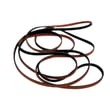
| Drum and belt path | Inspect/replace belt | Belt 341241 |
| Lint duct and chute | Remove lint buildup for better airflow | Lint chute cleaning |
| Front bulkhead area | Check rollers and idler movement | Drum support inspection |
Opening the top the right way prevents bent panels and broken clips, and it gives you safe access for common repairs like belt replacement and lint removal that help prevent long dry times and overheating.
Last updated: February 2026
What is the average lifespan of 11061252011?
A Kenmore electric dryer like model 11061252011 typically lasts 13 years with normal household use and proper venting. Keeping airflow strong (clean lint path and correct ducting) helps protect key parts like the heating system and motor.
Dryer life is mostly driven by heat stress, airflow restriction, and mechanical wear.
- Vent restriction (crushed, long, or clogged duct) raises temperatures and shortens component life
- Overloading strains the belt, drum rollers, and motor
- Poor lint maintenance increases drying time and heat exposure
- Frequent high-heat cycles accelerate wear on thermostats and heating components
- Moisture and corrosion (garage or damp laundry areas) can shorten electrical life
Use the safety and venting guidance in the installation guide for the best long-term results.
- Clean the lint screen before every load
- Vacuum lint from the lint chute and blower area periodically
- Inspect and clean the vent duct to the outside; keep the run short and direct
- Use rigid metal ducting where possible (foil or plastic venting can collapse and trap lint)
- Stop using the dryer if you smell burning or notice overheating; correct airflow issues first
When a dryer stops heating or won’t tumble, repairs often involve these high-wear items.
| Symptom | Common wear area | Example part for this model |
|---|---|---|
| Drum won’t turn | Belt and drum support | Belt 341241 |
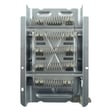
| No heat or weak heat | Heating circuit | Dryer element 279838 |
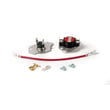
| Runs then stops, overheats | Safety thermostats/fuses | Dryer thermal cut-off fuse kit 279816 |
If your 11061252011 is near the 13-year mark, airflow and heat-related issues become more likely. Correct venting and routine lint-path cleaning reduce fire risk and help expensive components (like the drive motor and heating system) last longer.
Last updated: March 2026








