Installation guide
 Owner’s manual


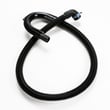
How to tell if a whirlpool drain pump is bad?
A bad drain pump on your Whirlpool washer model 2DWTW4705EW1 usually shows up as slow or no draining, a wet load after the cycle, or a constant hum with little water movement. Before replacing parts, confirm the drain hose setup and check for small items blocking the pump.
Quick symptoms to look for
- Washer will not drain or takes too long to drain; the load stays wet after spin
- Spin stops because the washer cannot pump out water within about 10 minutes
- You hear a continuous humming with periodic gurgling during Drain & Spin, but water does not leave the tub
- Coins, socks, or other small items were recently washed (common cause of pump blockage)
- Excess suds from too much detergent slows or stops draining
Checks we recommend before replacing the pump
Use the troubleshooting steps in the owner's manual first; many “bad pump” complaints are actually a clog, a drain hose issue, or oversudsing.
- Unplug the washer before inspecting anything
- Check the drain hose for kinks or crushing
- Verify the drain hose is installed correctly (not shoved too far down the standpipe; not sealed/taped over at the drain opening)
- Remove clogs from the drain hose
- If you used too much detergent, run Rinse & Spin (no detergent) to clear suds
What “normal pump noise” sounds like
During Drain & Spin, it is normal for the pump to make a steady humming sound with occasional gurgling or surging as the last water leaves the tub. If you hear the hum but the tub stays full, suspect a blockage first.
When replacement is the right call
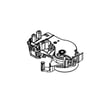
If the hose is clear, installation is correct, and the washer still will not move water out, the pump itself can be the failure point. For this model, the replacement pump is the water pump WPW10297342.
| What you observe | Most likely cause | What to do next |
|---|---|---|
| Hums but barely drains | Pump blockage or restricted hose | Clear hose and check for small items |
| No drain and no pump sound | Power/control issue or lid not closed | Confirm lid is closed; check power |
| Drains slowly with lots of suds | Too much detergent | Run Rinse & Spin; reduce detergent |
Why it matters
A draining problem can stop spinning, leave clothes soaking wet, and strain the drive system. Clearing restrictions early helps prevent repeat clogs and reduces wear on the pump and gear case.
Last updated: February 2026
What is the life expectancy of a whirlpool washer?
A Whirlpool washer typically lasts 10 to 14 years with normal household use and basic maintenance. For your Whirlpool 2DWTW4705EW1, consistent cleaning and correct detergent use help reduce odor, residue buildup, and wear that can shorten service life (see the owner's manual).
Typical life expectancy (what to expect)
Most modern Whirlpool top-load washers fall into this range:
| Usage pattern | Typical life expectancy |
|---|---|
| Light use (1 to 3 loads/week) | 12 to 15 years |
| Average use (4 to 7 loads/week) | 10 to 14 years |
| Heavy use (8+ loads/week) | 7 to 11 years |
What extends washer life the most
We see the biggest lifespan gains from a few habits that reduce strain on the drive system, suspension, and tub components:
- Use the correct detergent amount; overuse speeds residue buildup and odor.
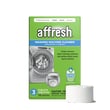
- Run a monthly cleaning routine (about every 30 cycles) to control soil and detergent accumulation.
- Leave the lid open between uses so the tub can dry.
- Balance loads and avoid consistently washing single heavy items (reduces out-of-balance stress).
- Use warm or hot washes sometimes (not only cold) to help control buildup.
Signs your washer is nearing end of life
These symptoms often show up as parts wear and can help you decide whether to repair or replace:
- Excessive shaking or banging during spin (often suspension wear)
- Grinding, squealing, or loud rumbling noises
- Frequent no-spin or no-drain events
- Lid not locking reliably or cycle interruptions
- Water leaks from the tub or pump area
Common repair parts for this model
If your 2DWTW4705EW1 is noisy, shaking, or stopping mid-cycle, these model-matched parts are commonly involved:
- Damper assembly W10780045 (helps control tub movement)
- Washer lid lock W11307244 (supports safe spinning and cycle operation)
- Water pump WPW10297342 (draining performance)
Why it matters
A washer that is kept clean and not overloaded runs smoother, stays more odor-free, and puts less stress on high-wear components like the suspension, drive system, and drain pump. That directly translates into more years of reliable washing.
Last updated: February 2026
What problems are common with the 2DWTW4705EW1?
Common problems with the Whirlpool 2DWTW4705EW1 washer include not filling or stopping mid-cycle (often tied to water supply or the lid needing to be fully closed), not draining or spinning within about 10 minutes, and excessive vibration from an unbalanced load or worn suspension parts. See the owner's manual for model-specific troubleshooting steps.
Most common symptoms and what they usually point to
- Washer won’t run or fill / stops working: lid not closed, paused cycle behavior, or restricted water supply
- Wash light stays on (fill issue): clogged inlet screens, kinked hoses, hot and cold faucets not both on
- Won’t drain or spin / loads still wet: drain hose installed too high, drain restriction, small items in the pump area, or too many suds
- Lid won’t open: normal lid lock behavior during spin; it unlocks after movement stops
- Shaking or banging: uneven load, overloaded basket, or weak suspension
Quick checks we recommend first
- Confirm water supply
- Both hot and cold hoses attached and not kinked
- Both faucets fully open
- Clean inlet valve screens if flow is weak
- Confirm the lid and cycle behavior
- Close the lid before starting; the washer pauses during certain phases
- If the lid locks, press START/STOP and wait for the lid to unlock after the basket stops
- Confirm draining setup
- Drain hose end should be below 48 in. (1.22 m)
- Remove clogs; do not tape over the drain opening
- Reduce suds and improve balance
- Measure detergent carefully; too much can slow or stop draining
- Re-distribute the load; avoid tightly packing
Parts that commonly solve these issues
If the washer is out of balance frequently or bangs during spin, worn suspension is a common cause. For this model, the damper assembly W10780045 is a frequent fix for excessive tub movement.
| Symptom | Common cause | What to do |
|---|---|---|
| Won’t fill or stops | Water supply restriction, lid not closed | Check hoses, screens, faucets; close lid and restart |
| Won’t drain / won’t spin | Drain hose too high, clog, excess suds | Lower hose, clear clogs, run Rinse & Spin with no detergent |
| Loud banging / walking | Unbalanced load, weak suspension | Rebalance load; inspect suspension components |
Why it matters
Fill, drain, and lid-lock issues can look like “the washer is broken,” but they are often normal safety behavior (lid lock) or installation and maintenance problems (hoses, screens, drain height). Fixing those first prevents unnecessary part replacement.
Last updated: February 2026