Owner’s manual



Does a Samsung washer have a filter that needs to be cleaned?
Yes. Your Samsung WF395BTPASU washer uses filters that should be cleaned periodically, especially the drain pump filter area (to prevent slow draining, odors, and “won’t drain” problems) and the small inlet hose screens (to prevent fill issues). For model-specific care steps, follow the WF395BTPASU owner's manual.
What filters to check on the WF395BTPASU
Most Samsung front-load washers like the WF395BTPASU have these common filter points:
- Drain pump filter (debris/coin trap): catches lint, hair, and small items before they reach the pump
- Inlet hose mesh screens: tiny screens where the hot and cold hoses connect to the washer
- Door boot area: not a “filter,” but it traps debris and moisture that can cause odor
How to clean the drain pump filter safely
We recommend cleaning the drain filter area any time you notice slow draining, standing water, or a musty smell.
- Unplug the washer.
- Place towels and a shallow pan at the lower front (water can spill out).
- Open the lower access area and drain any remaining water (if your model has an emergency drain).
- Remove the filter cap, clean out debris, then rinse the filter.
- Reinstall the filter fully and run a quick rinse and spin to confirm there are no leaks.
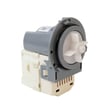
If the washer still will not drain after cleaning, a failed pump is a common cause; the washer drain pump DC31-00054D is a listed replacement part for this model.
How often should we clean it?
Cleaning frequency depends on usage and what you wash.
| Usage pattern | Drain filter cleaning | Inlet screen cleaning |
|---|---|---|
| Heavy use (daily loads, pets) | About monthly | Every 6 to 12 months |
| Typical use | Every 2 to 3 months | About yearly |
| After a drain/fill problem | Clean immediately | Clean immediately |
Why it matters
A clogged drain filter can make the washer drain slowly, stop mid-cycle, or leave water in the tub. Keeping the drain path clear also reduces strain on the drain pump and helps control odors.
Last updated: February 2026
What is the most common problem with Samsung washing machines?
The most common issue we see with Samsung washers like model WF395BTPASU is a spin problem: the washer shakes, bangs, or will not spin out water, leaving clothes wet. This is usually caused by an out-of-balance load, leveling problems, or worn suspension components.
What to check first (fast fixes)
- Redistribute the load; wash bulky items (blankets, towels) with a few smaller items for balance.
- Confirm the washer is level on all four corners; recheck after several loads as the feet can settle.
- Run a Rinse+Spin test cycle after leveling to see if the vibration improves.
- Remove foreign objects from pockets (coins, pins, buttons) before washing; they can create noise and imbalance.
- If the washer pauses or behaves oddly after installation or a repair, run Calibration Mode (the steps are in the owner's manual).
When it is likely a parts issue
If the tub still slams around or the washer repeatedly stops during spin even with a properly balanced load, the suspension system is a common next suspect.
Common symptoms and likely causes:
| Symptom | Most likely cause | What to do next |
|---|---|---|
| Loud banging during spin | Weak shock absorbers or springs | Inspect suspension; replace worn dampers/springs |
| Excessive vibration even when empty | Washer not level, suspension wear | Level first, then check suspension parts |
| Wet clothes at end of cycle | Drain restriction or pump issue | Clean the pump filter; check drain path |
| Stops and shows imbalance-type behavior | Load distribution or suspension wear | Reduce load size; inspect suspension |
Model-relevant parts we commonly replace for vibration control include the Samsung washer shock absorber DC66-00470B (and related shock absorber options listed for this model).
Why it matters
A washer that cannot stabilize the tub during high-speed spin puts extra stress on the tub, bearings, and motor system. Fixing balance and suspension issues early helps prevent bigger, more expensive repairs later.
Last updated: February 2026
What is the life expectancy of a Samsung front load washing machine?
A Samsung front-load washer typically lasts 10 to 15 years in normal household use. For the Samsung WF395BTPASU, consistent cleaning and avoiding chronic out-of-balance loads are the biggest factors that help it reach the upper end of that range; see the WF395BTPASU owner's manual for the recommended care cycles and operating guidance.
Typical lifespan and what affects it
Most front-load washers reach their full service life when they are kept clean, not overloaded, and installed level so the tub suspension is not constantly stressed.
Common factors that shorten life:
- Frequent overloading or washing heavy items that cause repeated out-of-balance spinning
- Skipping tub-clean cycles, leading to residue buildup and odor
- Using too much detergent (especially HE detergent overdosing)
- Running with a small leak that corrodes components over time
- Operating unlevel, which increases vibration and wear
Maintenance that helps you get the full 10 to 15 years
The WF395BTPASU includes a tub-clean cycle (Samsung calls it Pure Cycle) designed to reduce residue in the tub and door area.
We recommend these habits:
- Run the tub-clean cycle on schedule (per the WF395BTPASU owner's manual)
- Wipe the door boot and glass dry after laundry day
- Leave the door slightly open between loads to reduce moisture and odor
- Clean the drain pump filter periodically to prevent slow draining
- Keep the washer level and stable to reduce vibration at high spin speeds
Parts that commonly wear first (and why it matters)
Wear items do not mean the washer is “done”; replacing a few parts can restore performance and extend life.
| Symptom | Common wear area | What it can lead to |
|---|---|---|
| Excessive shaking or banging | Suspension components | More vibration, noise, and tub wear |
| Won’t drain well | Drain pump or filter | Standing water, odor, cycle stoppage |
| Musty smell | Door boot area and tub | Odor transfer to clothes |
If your washer is vibrating heavily, worn suspension parts are a frequent cause; the Samsung washer shock absorber DC66-00470B is one of the model-specific parts we list for this washer.
Why it matters
A front-load washer’s lifespan is mostly about controlling moisture and vibration. Keeping the tub clean and the machine stable reduces stress on the motor, tub bearings, and suspension so you get more years before major repairs.
Last updated: February 2026