Owner’s manual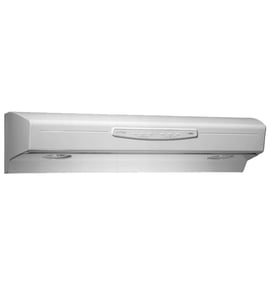



What is the life expectancy of a range hood?
Most range hoods last 10 to 20 years; for a Kenmore 23357800890 range hood, regular filter cleaning and good airflow keep the blower motor from working harder than it should, which helps you reach the longer end of that range. See the maintenance and safety details in the owner's manual.
Typical lifespan and what affects it
A range hood’s life is mostly determined by heat exposure, grease buildup, and how hard the fan has to work.
- Cooking frequency and heat level (daily high-heat cooking shortens life)
- Grease and filter maintenance (clogged filters strain the motor)
- Ventilation setup (long or restrictive duct runs reduce airflow)
- Moisture and steam exposure (can affect switches and wiring)
- How often the fan runs (long run times increase wear)
Maintenance that extends life
We recommend these habits to reduce motor strain and keep performance steady:
- Clean or replace filters on a routine schedule
- Keep the collector tray emptied and cleaned if your hood uses one
- Turn the hood on when cooking at high heat and leave it running a few minutes after
- Wipe grease from the underside of the hood to prevent buildup near the fan
- If ducted, keep the duct and exterior cap clear so air can exhaust outdoors
Common replacement parts that restore performance
| Symptom | Most likely maintenance/part need | Example part for this model |
|---|---|---|
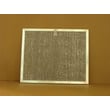
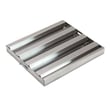
| Weak airflow | Filter clogged or installed incorrectly | Range hood grease filter SV03510 |
| Odors linger (recirculating setups) | Charcoal filter saturated | Range hood charcoal filter SV03509 |
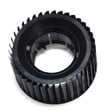
| Fan noisy or vibrating | Blower wheel/impeller wear or grease buildup | Impeller SV03399 |
Why it matters
A hood that is pulling less air often runs longer and hotter to do the same job. That extra load accelerates wear on the blower motor, speed control, and switches, and it also increases grease accumulation.
Last updated: February 2026
Where is the model number on the vent hood?
On the Kenmore range hood model 23357800890, the model number label is typically on the top of the hood, on the underside near the intake area, or behind the grease filters. We recommend checking behind the filters first because it is the most common spot.
Where to look first (fast checklist)
- Turn off power to the hood at the breaker before reaching inside.
- Remove the grease filters and look for a rating plate on the inner frame.
- Check the underside of the canopy near the lights or filter latch area.
- Look on the top of the hood (you may need a flashlight and mirror).
- Check near the wiring compartment cover or cord entry point.
How to access the label behind the filters
- Support the filter with one hand.
- Release the latch and lower the filter.
- Look for a sticker or metal plate on the hood body behind the filter opening.
- Reinstall the filter with the airflow arrow pointing toward the inside of the hood (as shown in the owner's manual).
What the label usually includes
| Label item | What it helps with |
|---|---|
| Model number | Matching parts to your exact hood |
| Serial number | Identifying production run for service records |
| Electrical ratings | Confirming correct power and wiring setup |
Why it matters
We use the model number to match the correct Kenmore parts diagrams and replacement parts (like filters, switches, and the blower components). Using the exact model number prevents ordering the wrong grease filter or charcoal filter.
Last updated: February 2026
What are the parts of a range hood called?
On our Kenmore range hood model 23357800890, the main parts are typically the hood body (canopy), filters, blower system, lighting, and the control switches. Your exact component names and the illustrated parts breakdown are listed in the 23357800890 owner's manual.
Common range hood part names (and what they do)
Most range hoods use these standard component names:
- Hood canopy: the main housing that captures smoke and grease
- Grease filter or baffle filter: traps grease before it reaches the blower
- Charcoal filter (recirculating setups): helps reduce odors when not vented outdoors
- Blower and blower wheel (impeller): moves air through the hood
- Blower motor: drives the blower wheel
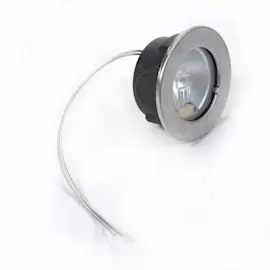
- Light assembly: lamp socket, bulbs, and wiring
- Switches and speed control: turn lights on/off and set fan speed
- Collector tray: catches grease that drains from filters
- Duct cover or flue cover (some installations): covers the vent path above the hood
Model 23357800890 examples you will see in the parts list
These are real part names used for this Kenmore model:
- Range hood grease filter SV03510
- Range hood charcoal filter SV03509
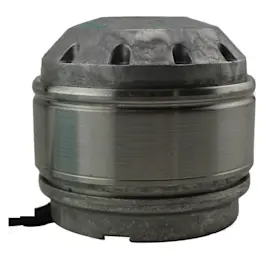
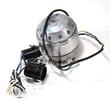
- Range hood blower motor, ccw SV03457
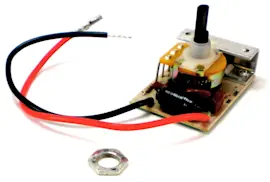
- Speed control SV03501
- Collector tray V13219
Quick reference table
| Part name | Typical purpose | When it is commonly replaced |
|---|---|---|
| Grease filter | Captures grease | Bent, clogged, won’t clean up well |
| Charcoal filter | Reduces odors (recirculating) | Odors linger, reduced airflow |
| Blower motor / impeller | Moves air | Fan noisy, slow, or not running |
| Switch / speed control | Controls fan or lights | Fan speeds fail, intermittent operation |
Why the names matter
Using the correct part name helps you match the right replacement to your exact configuration (ducted vs. non-ducted, filter style, and control type). It also makes troubleshooting faster when the fan, lights, or airflow performance changes.
Last updated: February 2026
Can range hoods be repaired?
Yes. Kenmore range hoods like model 23357800890 are designed to be serviceable; most problems are fixed by cleaning, tightening, or replacing common wear parts such as filters, switches, or the blower components. Use the owner's manual for model-specific safety and service guidance.
What we repair most often on this model
Many “range hood not working” complaints come down to airflow restriction, a failing control, or a worn blower part.
- Clogged or damaged filters (reduced airflow, more noise)
- Worn blower wheel or impeller (rattling, vibration, weak suction)
- Failed fan speed control or switch (fan stuck on one speed or not running)
- Failed light switch (lights do not turn on)
- Loose wiring or a damaged power cord
Quick checks before replacing parts
Turn power off at the breaker before servicing or cleaning.
- Clean the grease filter and confirm it is seated and latched correctly
- If you use recirculating mode, replace the charcoal filter on schedule
- Check for a blocked damper or crushed ducting (ducted setups must vent outdoors)
- Listen for scraping or wobble that points to a blower wheel or impeller issue
- If the hood has been modified, remove any added solid-state speed control device (not recommended for this style of hood)
Common repair parts and what they do
| Symptom | Likely area | Example part for this model |
|---|---|---|
| Weak airflow | Filters, ducting | Range hood grease filter SV03510, range hood charcoal filter SV03509 |
| Loud or vibrating fan | Blower wheel, impeller, motor mount | Range hood blower wheel assembly, 7.094 x 3.375-in SV03400, impeller SV03399, motor mount SV11705 |
| Fan will not change speeds | Speed control | Speed control SV03501 |
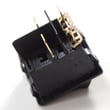
| Lights do not work | Light switch | Range hood light switch SV03502 |
Why it matters
A repair restores ventilation performance and helps prevent grease buildup on the fan and filters. Regular cleaning also reduces the risk of a grease fire and keeps the hood running quieter and more efficiently.
Last updated: February 2026
Can you put a 36 hood over a 30 range?
Yes. Installing a 36-inch range hood over a 30-inch range is a common, recommended setup because the wider capture area helps pull in more smoke, steam, and grease. For best results, we follow the Kenmore 23357800890 clearance and installation guidance in the owner's manual.
What to check before you install
- Clearance height: Keep the hood at least 24 inches above the cooktop; 30 inches max is highly recommended for best capture.
- Cabinet fit: A wider hood may require cabinet modifications or filler strips, especially with recessed cabinet bottoms.
- Ducting plan: Confirm whether you are using 7-inch or 8-inch round duct (or an equivalent setup) and that the duct run is as short and straight as possible.
- Control panel clearance: If the range control panel sits higher than the cooktop, maintain at least 18 inches between the bottom of the hood and the control panel.
- Vent vs. recirculate: If you are recirculating, plan on using a charcoal filter and replacing it on schedule.
36-inch hood over 30-inch range: quick comparison
| Option | Pros | Tradeoffs |
|---|---|---|
| 30-inch hood over 30-inch range | Matches width and look | Less capture at the front edges |
| 36-inch hood over 30-inch range | Better capture of cooking impurities | Can look larger; may need cabinet adjustments |
Parts that affect performance (and when to consider replacing)
A wider hood helps, but airflow still depends on clean filters and a healthy blower system.
- If airflow is weak or greasy buildup increases, check the grease filter and clean or replace it as needed (see range hood grease filter SV03510).
- If you run the hood in recirculation mode and odors linger, replace the charcoal filter (see range hood charcoal filter SV03509).
- If the fan is noisy or vibration increases, inspect the blower wheel and impeller for grease buildup or damage (common causes of imbalance).
Why it matters
A hood that is wider than the cooking surface improves “capture” at the edges, which helps protect cabinets and keeps the kitchen air clearer. Correct mounting height (24 to 30 inches) is just as important as hood width for real-world performance.
Last updated: February 2026