
What is the highest rated vacuum cleaner on the market?
There is no single “highest rated” vacuum cleaner for every home; the best choice depends on your flooring mix, pets, allergies, and whether you want cordless convenience or corded deep-cleaning. For shoppers comparing options to a Hoover U6445-900 upright vacuum, we recommend choosing by performance category rather than one overall winner.
How to pick the “highest rated” vacuum for your needs
Most top-rated vacuums win because they match a specific use case well.
- Mostly carpet: prioritize strong agitation and sealed airflow (better deep pickup)
- Mostly hard floors: prioritize soft roller performance and edge cleaning
- Pets: prioritize tangle-resistant brush design and strong filtration
- Allergies: prioritize a sealed system and HEPA-level filtration
- Stairs and above-floor cleaning: prioritize hose reach, tools, and weight
- Large homes: prioritize bin size (cordless) or long cord and wide path (corded)
Quick comparison: what “top-rated” usually means by type
| Vacuum type | What it’s best at | Typical tradeoff |
|---|---|---|
| Cordless stick | Fast daily pickups, convenience | Smaller bin, battery runtime limits |
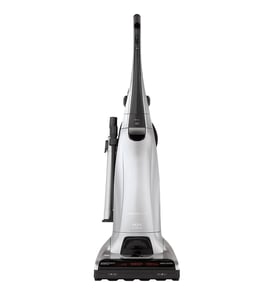
| Upright (corded) | Deep carpet cleaning, larger capacity | Heavier, less nimble |
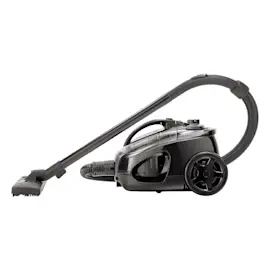
| Canister | Versatility, hard floors, long reach | Bulkier to store, higher cost for premium models |
| Robot | Maintenance cleaning | Not a replacement for deep cleaning |
Where your Hoover U6445-900 fits in
A self-propelled upright vacuum cleaner like the Hoover U6445-900 is typically chosen for carpet performance and whole-home cleaning. If your current vacuum is not performing like it used to, the “best vacuum” may simply be your current model with the right maintenance and wear items addressed (especially airflow restrictions and brush roll issues).
Why it matters
“Highest rated” lists often mix different vacuum categories, so a model that’s best for hard floors can rank above a model that’s best for carpet. Matching the vacuum to your flooring and filtration needs delivers better real-world cleaning than chasing one universal top pick.
For help identifying the exact model number before you compare parts or specs, use how to find your appliance model number (and what it means for parts).
Last updated: February 2026
What are common Hoover vacuum problems?
Common problems we see with the Hoover U6445-900 self-propelled upright vacuum cleaner are loss of suction, a brush roll that will not spin, overheating or shutoff, burning smells, and unusual noises. Most of these issues trace back to airflow blockages, dirty filters, a full bin or bag, or a worn belt.
Most common symptoms and what they usually mean
- Weak or no suction: clogged hose, dirty filter, full dust cup or bag, air leak at a seal
- Brush roll not spinning: broken or stretched belt, jammed brush roll, height set too low
- Vacuum shuts off or overheats: blocked airflow, packed filter, brush roll jam causing motor strain
- Loud rattling or grinding: debris in the nozzle, damaged brush roll, loose internal duct
- Burning rubber smell: belt slipping on a jammed brush roll
Quick checks we recommend (in order)
- Unplug the vacuum and clear visible debris from the nozzle opening.
- Check the hose and wand for a clog; push a broom handle through gently if needed.
- Empty the dust cup or replace the bag; clean the bin screens if your version has them.
- Clean or replace filters (a clogged filter is the most common cause of poor performance).
- Inspect the brush roll for hair and string; cut it away and confirm the brush spins freely.
Symptom-to-fix guide
| Symptom | Most likely cause | Best first fix |
|---|---|---|
| Low suction | Clog or dirty filter | Clear blockage; clean/replace filter |
| Brush not turning | Belt worn or brush jam | Remove debris; replace belt |
| Shuts off | Overheating from restriction | Clean filters; clear hose/nozzle |
| Loud noise | Debris in nozzle/brush | Remove obstruction; inspect brush |
Why it matters
Airflow and brush agitation work together. When airflow is restricted, the motor runs hotter and cleaning drops fast; when the brush roll is jammed, belts wear out and you can damage the brush system.
Helpful DIY resource
If you are comfortable doing basic electrical checks (for example, a switch, cord, or thermal protector issue), use our guide: how to use a multimeter to test electrical parts video.
Last updated: February 2026
Which vacuum brand is most reliable?
No single vacuum brand is “most reliable” for every home; reliability comes from matching the vacuum type to your floors and keeping airflow and wear items maintained. For a Hoover U6445-900 upright, consistent filter cleaning, clog removal, and brush roll upkeep prevent most breakdowns.
What actually drives vacuum reliability
A vacuum lasts longer when the motor stays cool, the brush system turns freely, and electrical connections are stable.
- Unrestricted airflow (clean filters, clear hose and nozzle)
- Brush roll and belt condition (no hair wrap, proper tension)
- Seals and gaskets (prevents suction loss and overheating)
- Cord, plug, and switch health (prevents intermittent power)
- Correct use on your flooring (reduces strain and wear)
How to compare brands the right way
Instead of picking a “most reliable” logo, compare the specific model line you are considering.
| What to compare | What “reliable” looks like | What to avoid |
|---|---|---|
| Maintenance access | Filters and brush roll are easy to reach | Hard-to-access filters and brush areas |
| Parts availability | Common wear items are replaceable | Disposable designs with limited serviceability |
| Heat management | Strong suction without frequent overheating | Frequent thermal shutoffs or hot smells |
| Fit for your home | Correct nozzle for carpet vs hard floors | Using a carpet nozzle on thick rugs all day |
Keeping your Hoover U6445-900 dependable
These steps improve real-world reliability more than switching brands.
- Clean or replace filters on a regular schedule
- Clear clogs immediately when suction drops
- Remove hair and string from the brush roll weekly (more often with pets)
- Stop vacuuming if you smell hot plastic, see sparking, or lose power intermittently
Why it matters
Most vacuum “failures” start as airflow restriction or brush roll drag; both overheat the motor and shorten the life of belts, bearings, and wiring.
For safe DIY habits before you open the vacuum, use are diy appliance repairs safe.
Last updated: February 2026