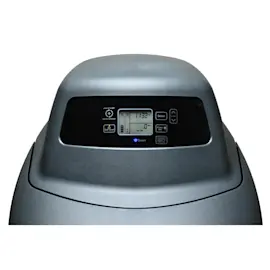
Owner’s manual
 Error Codes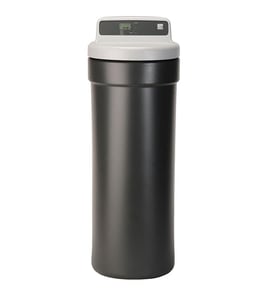




What is the life expectancy of a Kenmore water softener?
A Kenmore water softener like model 625388880 typically lasts 8 to 15 years. With regular care (keeping salt up, cleaning, and addressing iron), you can stay in the upper end of that range; neglected maintenance and harsh water conditions shorten service life. See the 625388880 owner's manual for model-specific care steps.
What affects lifespan the most
- Water hardness and daily usage: harder water and higher demand mean more frequent regenerations.
- Iron in the water: the manual calls for regular resin bed cleaning when clear-water iron is present (at least every 6 months, more often if iron shows up sooner).
- Chlorine exposure: municipal chlorine can age resin faster over time.
- Freezing risk: the manual warns to drain the unit if installed where it could freeze to prevent damage.
- Valve wear and sealing surfaces: internal seals and moving valve parts wear with each regeneration cycle.
Typical replacement timeline (what usually wears out first)
| Component or issue | Typical timing | What you notice |
|---|---|---|
| Resin media performance decline | 10 to 15 years | Hard water returns sooner, more frequent recharges |
| Valve seals and O-rings | 5 to 10 years | Leaks, salty water, poor regeneration |
| Drive motor or gear wear | 7 to 12 years | Stalling during regeneration, clicking, error codes |
If you’re seeing leaks at the valve area or inconsistent softening, a seal refresh is a common first repair on this design, using the Kenmore water softener seal kit 7185487.
Maintenance that extends life
- Keep the brine tank from running out of salt; avoid salt bridging and mush.
- Clean the resin bed on a schedule if you have iron (the manual recommends at least every 6 months when iron is present).
- Confirm the bypass valve stays in SERVICE except during repairs.
- Protect the softener from freezing; drain it if installed in a location that can freeze.
- Use error codes as an early warning; reference Kenmore error codes when troubleshooting.
Why it matters
A softener that’s near end-of-life often costs more in salt and water (extra regenerations) and can allow scale buildup in a water heater, faucets, and appliances. Catching resin or valve wear early usually prevents bigger repairs.
Last updated: January 2026
Is it worth repairing a water softener?
Repairing a Kenmore 625388880 water softener is usually worth it when the problem is limited to the valve drive or sealing surfaces (common wear items) and the resin tank and salt storage drum are not leaking. This model has serviceable parts available, which typically makes repair the better value.
Quick way to decide
- Repair when the unit still regenerates (or tries to), but performance is inconsistent.
- Repair when you have a leak at the valve area, not from the tank or salt drum.
- Replace when the resin tank or salt storage drum is leaking, or the unit has repeated major failures.
What we check first (fast diagnostics)
Use the troubleshooting “initial checks” in the 625388880 owner's manual before buying parts.
- Confirm the display shows the correct time of day (a blank display points to a power issue).
- Verify the transformer is plugged into a grounded 120V outlet (this softener runs on 24 volts through the transformer).
- Make sure the plumbing bypass is fully in the service position.
- Confirm inlet and outlet plumbing are connected correctly.
- If an error code appears, follow the diagnostics steps and then reference Kenmore error codes.
Common repairs that are often worth it on this model
These are typical “high value” repairs because they address frequent failure points without replacing the whole softener:
| Symptom | Likely area | Example part to consider (if applicable) |
|---|---|---|
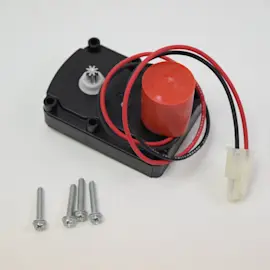
| Softener stuck in a cycle, grinding/clicking | Drive motor or gear/cam | Rep'l motor 7286039, gear cam 7283489 |
| Leaks at the valve/head area | Seals, O-rings, internal valve sealing | Kenmore water softener seal kit 7185487 |
| No brine draw, poor regeneration | Nozzle/venturi area, gaskets, restrictions | Water softener venturi gasket 7204362 |
Why it matters
A working softener protects plumbing and water-using appliances from scale buildup. When the issue is electrical timing, valve movement, or sealing, repairing restores proper regeneration and soft water service without the cost and disruption of a full replacement.
Last updated: January 2026
What water softeners do plumbers recommend?
Plumbers typically recommend water softeners that are easy to service, have proven valve reliability, and can be sized correctly for the home’s water hardness and usage. For a Kenmore water softener like model 625388880, the best “recommendation” is the unit that matches your hardness level and is installed and programmed correctly per the 625388880 owner's manual.
What plumbers usually look for (and what you should compare)
- Correct capacity for your household (based on grains per gallon and people in the home)
- A dependable control valve and drive system (motor, gears, seals)
- Easy access to routine maintenance (salt, cleaning, sanitizing)
- Availability of replacement parts and service support
- Proper protection from freezing and correct electrical setup (24V transformer)
Quick comparison: common plumber selection criteria
| What gets recommended | Why it matters | What to check at home |
|---|---|---|
| Correct sizing | Prevents frequent regeneration and hard-water breakthrough | Water hardness test result and household water use |
| Serviceable valve design | Faster repairs, fewer repeat failures | Parts availability like seals, motor, rotor/disc |
| Straightforward programming | Better performance and salt efficiency | Hardness setting, salt type setting, recharge schedule |
| Good installation location | Reduces leaks and freeze damage | Drain access, level floor, protected from freezing |
If you already own Kenmore 625388880: how to get “plumber-level” performance
- Keep salt in the storage tank; in humid areas, keep it about 1/4 to 1/2 full and refill more often
- Use the correct salt type setting; the salt monitor is most accurate with nugget or pellet salt
- Sanitize periodically when needed (the manual describes adding a small amount of bleach to the brinewell)
- If you have iron issues, plan regular resin bed cleaning (often every 6 months for clear-water iron)
- Protect the softener and piping from freezing; freeze damage is a common cause of failure
Parts that matter when plumbers service a softener
If you have symptoms like leaking, not regenerating, or a stuck cycle, these model-compatible parts are commonly involved:
- Kenmore water softener seal kit 7185487 (seals that prevent internal bypass and leaks)
- Rep'l motor 7286039 (drives the valve through regeneration)
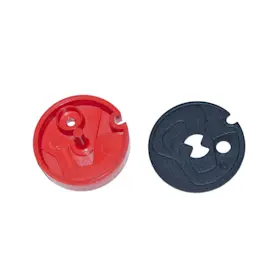
- Gear cam 7283489 (controls valve timing and position)
Why it matters
Most “recommended” water softeners perform well only when they are sized to the water hardness and maintained correctly. With the right salt practices, periodic cleaning, and timely replacement of wear parts, a Kenmore unit like 625388880 delivers consistent soft water and protects plumbing and appliances.
Last updated: January 2026