Owner’s manual



What is the most common problem with LG dryers?
The most common problem we see with LG dryers (including model DLEX5780VE) is restricted airflow from lint buildup in the lint filter, blower housing, or vent duct. That restriction causes long dry times, overheating, and sometimes automatic shutoff or airflow-related error codes.
What to check first (fast, high-impact)
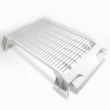
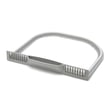
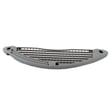
- Clean the lint screen before every load; replace it if it is torn or warped (see dryer lint screen 5231EL1001C).
- Wash the lint screen with warm water and a soft brush if you use dryer sheets; residue can block airflow.
- Inspect the vent hose behind the dryer for kinks, crushing, or excessive length.
- Clean the entire vent run to the outside hood; confirm the outside damper opens fully.
- Run a timed dry test with the vent temporarily disconnected (only if you can vent safely into a suitable area) to see if drying improves.
Other common LG dryer issues (and the parts that often fix them)
Airflow is the top cause, but these are also frequent on electric dryers:
- No heat or weak heat: heating circuit problems such as a failed heater or safety thermostat.
- Overheating: restricted venting, or a thermostat/temperature-sensing issue.
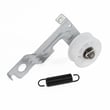
- Thumping, squealing, or rumbling: worn belt, idler pulley, or drum support rollers.
- Stops early or clothes still damp: moisture sensor bars dirty, or a sensor issue.
| Symptom | Most common root cause | Typical next step |
|---|---|---|
| Long dry times | Vent restriction | Clean venting and confirm strong exhaust |
| Loud rumble/thump | Drum support wear | Inspect rollers and belt condition |
| No heat | Heating circuit fault | Check heater and thermostats |
| Stops too soon | Moisture sensing issue | Clean sensor bars; verify sensor operation |
Why it matters
Restricted airflow makes the dryer work harder, increases cycle time, and can overheat internal components like thermostats and the heating system. Fixing airflow first often prevents repeat failures and restores normal drying performance.
Model-specific help
For DLEX5780VE, use the troubleshooting and maintenance steps in the DLEX5780VE manual to confirm airflow checks, cleaning intervals, and any error-code guidance.
Last updated: January 2026
What is the average lifespan of an LG dryer?
Most LG dryers, including model DLEX5780VE, typically last 10 to 15 years with normal household use. Regular lint and vent maintenance, avoiding overloads, and fixing small issues early help you reach the upper end of that range.
What affects how long an LG dryer lasts
A dryer’s lifespan is mostly about heat, airflow, and mechanical wear. These factors make the biggest difference:
- Vent airflow: restricted venting makes the dryer run hotter and longer
- Lint control: a clogged lint path strains the blower and heating system
- Load size: frequent overloading wears the drum belt, rollers, and motor faster
- Cycle choices: high heat all the time increases stress on thermostats and the heating element
- Room conditions: dusty areas and tight closets increase lint buildup and heat retention
For model-specific care and cleaning intervals, follow the DLEX5780VE owner's manual.
Maintenance that extends dryer life
These habits reduce breakdowns and improve drying performance:
- Clean the lint screen before every load; replace a torn or warped screen such as the dryer lint screen by LG 5231EL1001C
- Inspect and clean the vent duct and exterior hood regularly
- Keep the lint screen grille and housing free of buildup
- Do not overload; leave room for clothes to tumble freely
- Stop using the dryer if you smell burning or notice overheating; address airflow first
Common wear items and what they usually mean
| Symptom | Likely wear area | Typical result if ignored |
|---|---|---|
| Thumping or rumbling | Drum support rollers, idler pulley | Faster drum wear, louder operation |
| Squealing | Idler pulley or roller | Belt wear, possible belt failure |
| Drum not turning | Belt or motor drive system | No dry cycle completion |
| Long dry times | Venting, lint path, moisture sensing | Overheating, higher energy use |
Why it matters
A dryer that runs hot or takes too long to dry clothes wears out parts sooner and can damage fabrics. Keeping airflow strong and replacing wear parts early helps your DLEX5780VE stay efficient and reliable.
Last updated: January 2026
How do I reset my LG dryer flow sensor?
To reset Flow Sense on your LG DLEX5780VE dryer, we focus on restoring airflow first, then power-cycling the dryer. Clean the lint path and venting, then unplug the dryer for 5 minutes and restart; this clears most Flow Sense (D80, D90, D95) airflow alerts.
Reset steps (in order)
- Turn the dryer off and let it stop completely.
- Remove and clean the lint screen; wash off any fabric-softener film, then dry it.
- Check the lint screen housing for lint buildup.
- Inspect the entire vent run to the outside; remove kinks, crushed flex duct, and heavy lint.
- Unplug the dryer (or switch off the breaker) for 5 minutes.
- Restore power and run a timed dry cycle for 5 to 10 minutes to confirm airflow.
What to check if Flow Sense comes back
Restricted airflow is the most common cause. These checks fix most repeat codes:
| What to check | What “good” looks like | What to fix |
|---|---|---|
| Lint screen and grille | Clear mesh, strong airflow at exhaust | Clean or replace lint screen parts if damaged |
| Vent duct behind dryer | Short, straight, not crushed | Replace long or flimsy flex duct with rigid or semi-rigid |
| Outside vent hood | Flapper opens fully | Clear lint, nests, or stuck louvers |
| Load and cycle | Not overloaded, correct dryness setting | Reduce load size; use timed dry to test |
Parts that can help when airflow is good
If the venting is clear and you still get Flow Sense alerts or long dry times, a sensing or airflow-related part may be contributing:
- Dryer lint screen by LG 5231EL1001C (torn or warped screen can leak lint into the duct)
- Dryer moisture sensor 6500EL3001A (can misread dampness and extend cycles)
- Dryer thermistor AGM30045804 (temperature sensing issues can affect cycle behavior)
Why it matters
Flow Sense protects drying performance and helps prevent overheating. When airflow is restricted, clothes take longer to dry, energy use goes up, and high-limit thermostats can trip more often.
For model-specific operating details and venting guidance, use the DLEX5780VE manual.
Last updated: January 2026
What does d mean on a LG dryer?
On an LG DLEX5780VE dryer, a “d” message is commonly tied to an airflow or venting issue (often shown as d80/d90/d95). It means the dryer is detecting restricted exhaust airflow, usually from lint buildup, a crushed vent, or a blocked exterior hood.
What to check first (fast fixes)
- Clean the lint screen before every load; also wash it with warm water if you use dryer sheets.
- Inspect the vent hose behind the dryer; straighten kinks and replace crushed or foil-style duct.
- Check the outside vent hood; remove lint, nests, or snow and confirm the flap opens freely.
- Run a timed dry cycle and confirm strong airflow outside.
- If drying times are long, clean the entire vent run from the dryer outlet to the exterior.
Step-by-step airflow test
- Turn the dryer off and unplug it.
- Pull the dryer forward and disconnect the vent from the back.
- Run a short timed cycle (vent disconnected) and feel for strong airflow at the dryer outlet.
- If airflow is strong here but weak at the outside hood, the home venting is restricted.
- Reconnect using rigid or semi-rigid metal ducting and keep the run as short as possible.
Parts that can contribute to poor drying (when venting is clear)
If the venting is confirmed clear and the dryer still struggles, these parts can affect drying performance:
| Symptom | Common cause | Example part for DLEX5780VE |
|---|---|---|
| Long dry times, heat seems inconsistent | Temperature sensing issue | Dryer thermistor AGM30045804 |
| Overheating or shuts down on safety | High-limit thermostat opening | Dryer high-limit thermostat 6931EL3003D |
| Weak airflow inside drum | Blower wheel issue | Dryer blower wheel 5835EL1002A |
Why it matters
Restricted venting makes the dryer run hotter and longer, increases energy use, and can trigger repeated “d” airflow warnings. Fixing airflow usually restores normal cycle times and protects key components like the heating element and thermostats.
For model-specific display messages and operating details, use the DLEX5780VE owner's manual.
Last updated: January 2026