Installation guide
 Owner’s manual
 Error Codes
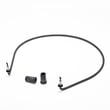


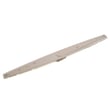
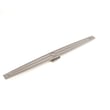
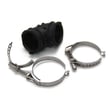
How to replace the bottom door seal on a Whirlpool dishwasher?
On the Whirlpool WDT710PAYM6 dishwasher, replacing the bottom door seal is a straightforward swap: remove the old seal from the lower edge of the door area, clean the channel, then press the new seal in evenly so the door closes without gaps. Use the steps in the WDT710PAYM6 owner’s manual.
Before you start (safety and prep)
- Turn off power at the breaker; do not rely on the control panel.
- Let the unit cool; avoid touching the heating element right after a cycle.
- Open the door and remove the lower rack for working room.
- Wipe up standing water so you can see the seal area clearly.
- Keep sharp utensils away from the seal area to prevent cuts and seal damage.
Replacement steps (typical Whirlpool bottom door seal)
- Open the door fully and locate the bottom seal along the lower door edge or the lower tub lip (depending on design).
- Pull the old seal out of its channel starting at one end; use steady, even force.
- Clean the channel with a damp cloth; remove detergent residue, grease, and grit.
- Press the new seal into the channel from one end to the other; seat it fully and evenly.
- Close the door and check for uniform contact; reopen and re-seat any high spots.
- Run a short rinse cycle and inspect for drips along the bottom edge.
Quick diagnosis: is it really the bottom seal?
| Symptom | Most likely cause | What to check next |
|---|---|---|
| Leak only at the bottom center | Bottom door seal not seated | Re-seat seal; check for twists |
| Leak at corners | Door not closing square, obstruction | Rack position, dishes blocking door |
| Leak during fill | Water inlet or hose leak | Inspect under unit and inlet area |
| Leak late in cycle | Oversudsing or spray issue | Detergent amount; spray arm obstructions |
Why it matters
A properly seated bottom door seal prevents leaks that can damage flooring and helps the dishwasher maintain correct wash pressure for better cleaning.
Last updated: February 2026
What are the commonly replaced parts in a dishwasher?
In a Whirlpool dishwasher like model WDT710PAYM6, the most commonly replaced parts are the wash and drain components (spray arms, pumps, hoses), the heating and fill parts (heater and inlet valve), and door and rack hardware. Many replacements trace back to clogs, leaks, or normal wear.
Most common dishwasher parts that get replaced
These are the parts we see replaced most often because they directly affect cleaning, draining, and drying:
- Dishwasher spray arm (clogged jets, cracks, poor cleaning)
- Dishwasher filter (gritty dishes, debris buildup, odors)
- Drain pump (won’t drain, standing water)
- Water inlet valve (won’t fill, fills slowly)
- Heating element (poor drying, cool wash water)
- Door latch (won’t start or stops mid-cycle)
For this model, examples of common replacements include the dishwasher spray arm WPW10491331, dishwasher drain pump WPW10348269, and the element assembly W10518394.
Quick troubleshooting: symptom to likely part
| Symptom | Most likely area | Common part examples for WDT710PAYM6 |
|---|---|---|
| Dishes still dirty | Wash circulation, spray | Spray arm, filters |
| Gritty residue on dishes | Filtration | Filter(s) |
| Standing water | Drain path | Drain pump, drain hose, air gap |
| Won’t fill | Water supply | Water inlet valve |
| Won’t start | Door/controls | Door latch, control panel/control |
Filter maintenance (prevents many “bad part” symptoms)
Your WDT710PAYM6 uses a multi-part filtration system (upper filter assembly and lower filter) that needs periodic cleaning to keep performance up. Running the dishwasher without properly installed filters can cause damage and poor cleaning.
- Clean filters when you see visible debris on the upper filter
- Clean filters when cleaning performance drops
- Clean filters when dishes feel gritty
- Lock the upper filter assembly fully in place before running a cycle
For the exact removal and locking steps, follow the WDT710PAYM6 owner’s manual.
Why it matters
Replacing the right part saves time and prevents repeat failures. For example, a “not draining” complaint is often a clogged filter, blocked air gap, or restricted drain hose before the drain pump is actually bad.
Last updated: February 2026
What does F6 mean on a Whirlpool dishwasher?
On a Whirlpool dishwasher like model WDT710PAYM6, an F6 error code points to a water fill problem. The dishwasher is not sensing the expected water coming in (or it is detecting an abnormal fill condition), so it may stop to prevent poor washing and potential draining issues.
What to check first (fast, no tools)
- Confirm the water shutoff valve under the sink is fully open.
- Make sure the door is closed tightly and latched; some cycles will not fill if the latch is not engaged.
- Verify the dishwasher has power (breaker not tripped) and the cycle was started correctly.
- Check the inlet hose for kinks, crushing, or a clogged screen at the valve connection.
- Run a cancel/drain, then restart using the reset steps in the WDT710PAYM6 owner’s manual.
Common causes and likely fixes
| What’s happening | Most common cause | What we typically do |
|---|---|---|
| No water enters at all | Shutoff closed, kinked hose, clogged inlet screen | Open valve, straighten hose, clean screen |
| Slow fill or intermittent fill | Low supply pressure, partially blocked screen | Improve supply, clean screen |
| Valve not opening when it should | Failed inlet valve | Replace the dishwasher water inlet valve WPW10327249 |
| Dishwasher stops because it thinks the door opened | Latch not holding | Inspect/replace the dishwasher door latch WPW10653840 |
Why it matters
A dishwasher that cannot fill correctly will wash poorly, may drain repeatedly, and can trigger additional fault codes. Restoring proper water supply and a solid door latch usually clears the underlying cause.
For model-specific troubleshooting steps and cycle behavior, follow the diagnostic and operating guidance in the WDT710PAYM6 owner’s manual.
Last updated: February 2026
What is the lifespan of a Whirlpool dishwasher?
A Whirlpool dishwasher typically lasts 10 to 12 years with normal household use. For your Whirlpool WDT710PAYM6, consistent cleaning, correct detergent use, and fixing small problems early (like draining or heating issues) are the biggest factors in reaching that lifespan; see the WDT710PAYM6 owner’s manual for care and operating guidance.
What affects dishwasher life the most
- Water quality (hard water speeds up mineral buildup on the heater and in the sump)
- How often it runs (multiple loads daily shortens overall life)
- Maintenance habits (filter cleaning, spray arm checks)
- Detergent and rinse aid use (too much detergent can leave residue; too little can reduce cleaning)
- Early repairs (addressing leaks, poor draining, or no-heat symptoms quickly)
Maintenance checklist (best ROI)
- Clean the filter area regularly; replace a worn or damaged filter such as the dishwasher filter WPW10463906 when it no longer seals or rinses clean.
- Inspect and rinse the spray arm holes; replace a cracked or clogged arm like the dishwasher spray arm WPW10491331 if it will not spin freely.
- Run hot water at the sink before starting a cycle to improve wash performance.
- Use a quality detergent (many Whirlpool manuals recommend premeasured packs for daily use).
- If you will be away for an extended time, shut off the water and power as directed in the manual.
Common “end-of-life” symptoms and likely areas
| Symptom | What it often points to | Example part for WDT710PAYM6 |
|---|---|---|
| Dishes not drying | Heater circuit or airflow issues | Element assembly W10518394 |
| Not draining | Drain path restriction or pump problem | Dishwasher drain pump WPW10348269 |
| Not filling | Water supply or inlet valve issue | Dishwasher water inlet valve WPW10327249 |
Why it matters
Knowing the typical 10 to 12 year lifespan helps you decide whether to repair or replace. If your WDT710PAYM6 is near that range and needs a major repair (pump and motor, control, or tub), comparing repair cost to replacement value usually saves time and money.
Last updated: February 2026
What is the most common problem with Whirlpool dishwashers?
The most common Whirlpool dishwasher problem is poor cleaning caused by restricted water flow or weak spray action. On the Whirlpool WDT710PAYM6, we see this most often when the filter area is dirty, the spray arm is clogged, or the unit is not filling and heating normally (which can also make cycles pause or run long). See the WDT710PAYM6 owner's manual for the model’s troubleshooting checks.
Most common symptoms and what they usually mean
- Dishes still dirty or gritty: clogged spray arm holes, dirty filter, or low water fill
- White film or spots: hard water, not enough rinse aid, or too much detergent
- Water left in the bottom: partial drain restriction or a weak drain pump
- Stops mid-cycle: door not fully latched, power interruption, or normal cycle pauses
- Runs a long time: water not hot enough; dishwasher extends time while heating
Quick checks we recommend first (fast DIY)
- Confirm the door closes tightly and latches.
- Run hot water at the sink until it is hot, then start the cycle.
- Pull the lower rack and rinse the filter area; if the filter is damaged or won’t clean up, replace the dishwasher filter W10872845.
- Inspect and rinse the dishwasher spray arm WPW10491331 holes; clear debris with a toothpick.
- If you have standing water, check the drain hose routing and consider the dishwasher drain pump WPW10348269 if draining is weak.
Common causes vs. likely fix
| Problem you notice | Most likely cause | Typical fix |
|---|---|---|
| Poor cleaning | Clogged filter or spray arm | Clean or replace filter; clean spray arm |
| Not draining | Blocked hose or weak pump | Clear restriction; replace drain pump |
| Not drying well | No rinse aid or heater issue | Add rinse aid; check heater circuit |
| Won’t start | Door not latched or power issue | Latch door; reset breaker |
Why it matters
Poor cleaning is usually a water circulation issue; when the filter, spray arm, or fill/heating conditions are off, the dishwasher cannot maintain strong spray pressure and proper wash temperature. That leads to residue, long cycles, and repeat washing.
Last updated: February 2026